Search keywords:
product name, product type, model number,
test method, manufacturer, technique, application
-
Cone Calorimeter
The import of American VTEC, cone calorimeter ultra high cost performance
more
-
Digital Elmendorf Tearing Tester
Pendulum method test material tear strength, operating more simple, more accurate data
more
-
ZwickiLine Materials testing machines
Top of the world's leading universal material testing machine
more
Dry microbial penetration tester
BACK

Standards:
ISO 22612 YY/T 0506.5
Applications:
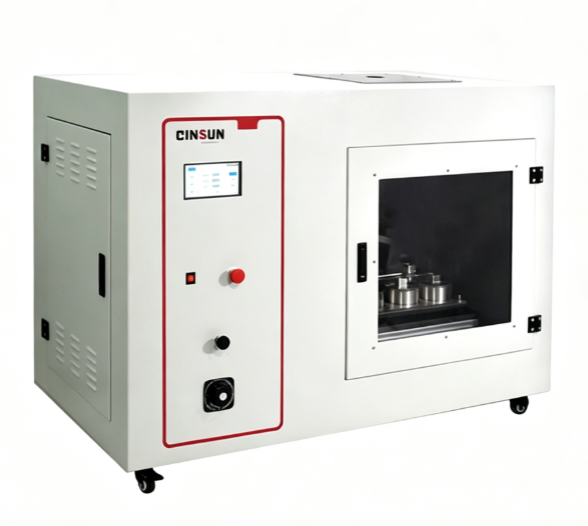
Dry microbial penetration resistance tester DMPRT is to assess the penetration resistance through barrier materials of bacteria-carrying particles.
Product Information:
Dry microbial penetration resistance tester DMPRT is to assess the penetration resistance through barrier materials of bacteria-carrying particles. The tester is applicable for medical clothing or relative materials. It is the recommended testing instrument for determine the protective performance against dry infectious agents during the using processing of the textile or clothes above.
Dry microbial penetration tester Features:
Color touch screen for preset parameter and display.
Negative pressure testing condition is safer.
Built-in illumination system is convenient for observation during the test.
Stainless steel chamber with double layers is heat and fire resistant.
Dry microbial penetration tester Main Parameters:
| Item | Specification |
|---|---|
| Vibration Form | Pneumatic Ball Vibrator |
| Vibration Frequency | 20.800 times/min |
| Vibration Force | 650 N |
| Worktable Size | 40 cm × 40 cm × 10 mm |
| Worktable Media | Marble Plate |
| Experimental Container | Stainless Steel Test Container |
| Work Stations | 6 |
| Cabinet Negative Pressure Range | -50 Pa ~ -200 Pa |
| High Efficiency Filter Filtration Efficiency | >99.99% |
| Negative Pressure Cabinet Ventilation Flow | ≥5 m³/min |
| Data Storage Capacity | 100.000 groups |
| Working Voltage | 220V, 50Hz |
FAQ:
1. What is a Dry Microbial Penetration Tester used for?
It is used to evaluate the resistance of protective clothing and materials against dry microbial penetration.
2. Which materials can be tested by this tester?
It is suitable for testing medical protective clothing, surgical gowns, masks, barrier fabrics, and other protective materials.
3. What standards does the Dry Microbial Penetration Tester comply with?
It commonly complies with standards such as EN ISO 22612 and related protective clothing testing methods.
4. How does the tester work?
The tester simulates microbial contamination conditions using dry particles to measure the penetration resistance of materials.
5. Why is dry microbial penetration testing important?
It helps assess the protective performance and safety level of materials used in medical and hygiene applications.