




Search keywords:
product name, product type, model number,
test method, manufacturer, technique, application
-
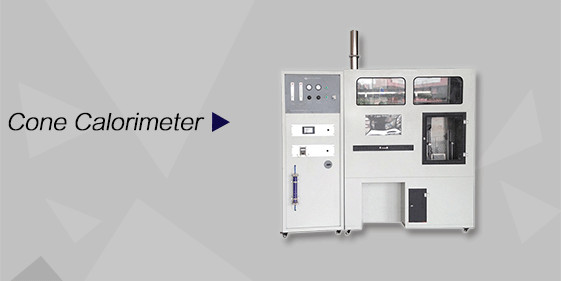
Cone Calorimeter
The import of American VTEC, cone calorimeter ultra high cost performance
more
-
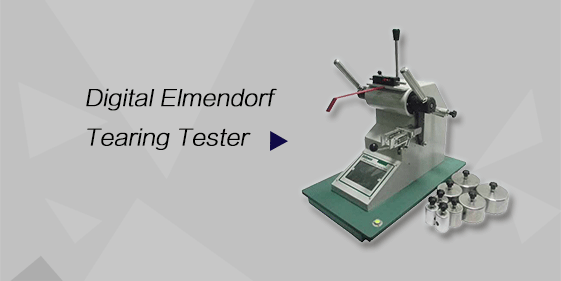
Digital Elmendorf Tearing Tester
Pendulum method test material tear strength, operating more simple, more accurate data
more
-
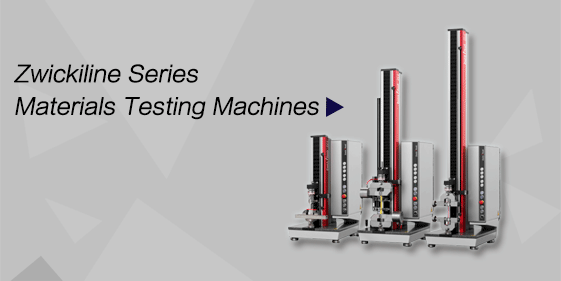
ZwickiLine Materials testing machines
Top of the world's leading universal material testing machine
more
Safety Harness Test Dummy
BACK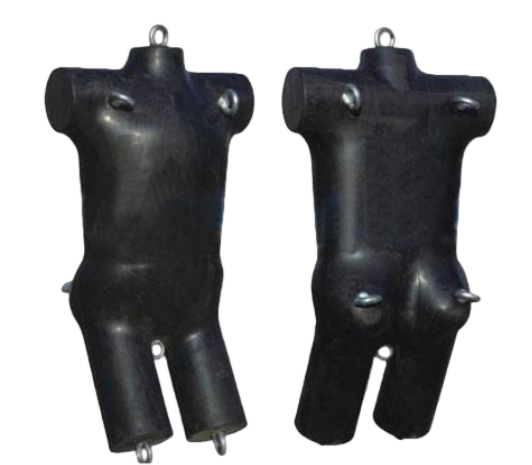


Standards:
Applications:
This dummy is primarily used for:
Evaluating dynamic load performance of safety belts
Testing overall static load capacity
Measuring slippage resistance under different belt configurations
Assessing regional restraint, guardrail operation, and fall suspension safety belt system performance
Testing rescue performance and fall arrest reliability
The dummy provides a safe and standardized substitute for human subjects in laboratory and industrial safety evaluations.
Product Information:
The Safety Belt Test Dummy is specifically designed for testing the performance of various safety belt systems in accordance with national and international standards.
It simulates a human body under load and motion, enabling accurate and repeatable testing of dynamic load, static load, and slippage resistance of safety belts and fall protection harness systems.
 Standards
GB6095-2021 — Fall Protection Safety Belt
GB/T 6096-2020 — Safety Belt System Performance Test Methods
GB6095-2009. GB/T 6096-2009 — Earlier national standards
IRAM 3622-1. Individual protection against falls from height
ISO 10333 — International standard for personal fall arrest systems
EN 361 / EN 364 — European standards for full body harnesses and test methods
Specifications
|
Parameter |
Specification / Description |
|
Dummy Weight |
100 ± 2 kg / 136 ± 2 kg |
|
Surface Hardness |
>90 HD |
|
Rubber Thickness |
≥ 40 mm |
|
Lifting Points |
4 (one on each arm, one on the head, one on the crotch) |
|
Lifting Ring Material |
304 Stainless Steel, M16 thread |
|
Main Dimensions |
Shoulder width 483 mm; Hip width 400 mm; Leg circumference 150 mm; Neck circumference 150 mm; Leg spacing 50 mm |
|
Structure Type |
Integrated molded rubber body with embedded core |
|
Center of Gravity Adjustment |
Achieved by varying internal material composition |
|
Surface Material |
Non-metallic rubber, interference-free during belt contact |
|
Storage Condition |
Indoor, away from direct sunlight and high humidity |
|
Test Environment |
Compatible with dynamic and static load testing machines |
Features
Precision-Molded Structure:
The dummy body and outer rubber layer are integrally molded for consistent performance, durability, and dimensional accuracy.
Realistic Weight Distribution:
Internal materials are strategically varied to replicate human mass balance and center of gravity.
Non-Metallic Surface:
Except for the stainless-steel lifting rings, the surface is entirely rubber to avoid friction or interference with belt materials.
Standardized Dimensions:
Fully compliant with GB/T 6096-2020 for dimensional accuracy and compatibility with standardized test frames.
Multiple Lifting Points:
Equipped with four 304 stainless-steel lifting rings for flexible suspension and accurate load application.
Safe and Durable:
High hardness rubber structure ensures reliability during repeated static and dynamic load tests.
Easy Handling & Maintenance:
Designed for convenient installation, lifting, and long-term indoor storage.
Usage Instructions
1. Lifting Ring Numbering
(1) Head ring;(2) Front chest ring;(3) Front chest ring;(4) Mid-leg ring;(5) Back ring;(6) Hip ring;(7) Lower leg ring.
2. Full-Belt Dynamic Load Test
Install the fall suspension safety belt on the dummy per standard requirements.
Connect the test frame’s lifting hook to ring (1) on the head.
Attach the sensor hook to the dummy’s belt buckle and route the flat lifting strap through ring (1).
Conduct the test following procedures in the Safety Belt Full Dynamic and Static Load Test Manual.
3. Static Load Test Connection
Guardrail operation safety belt test: Connect rings (5) and (6) to base frame rings using U-shaped shackles.
Regional restraint safety belt test: Connect rings (2), (3), and (7) to the base frame rings using U-shaped shackles.
Fall suspension safety belt test: Connect ring (4) to the middle lifting ring of the test frame base using a U-shaped shackle and wire rope.
For full test procedures, refer to the official Safety Belt System Test Manual.
FAQ
1. What is a Safety Harness Test Dummy?
A Safety Harness Test Dummy is a specialized testing device designed to simulate the human body for evaluating the performance and safety of fall protection systems such as safety harnesses, lanyards, and fall arrest systems. It is widely used in safety equipment testing and certification.
2. What is its working principle?
The dummy replicates human weight distribution and body structure. It is connected to a safety harness system and subjected to controlled fall or static load conditions. Sensors and measurement systems record impact force, load distribution, and harness performance during fall arrest events.
3. What parameters can it test?
It is commonly used to measure:
Impact force during fall arrest
Load distribution on harness straps
Body stability and orientation during fall
Energy absorption performance of safety systems
Structural integrity of harness components
4. Which standards does it comply with?
The equipment typically complies with international safety standards such as:
EN 361 (Full body harness requirements)
EN 363 (Fall arrest systems)
ANSI Z359 series (Fall protection standards)
OSHA safety regulations
ISO fall protection testing standards
5. What industries use this equipment?
It is widely used in:
Construction safety equipment testing
Industrial fall protection manufacturing
Aerospace and aviation safety testing
Power and electrical maintenance industries
Safety certification laboratories
