




Search keywords:
product name, product type, model number,
test method, manufacturer, technique, application
-
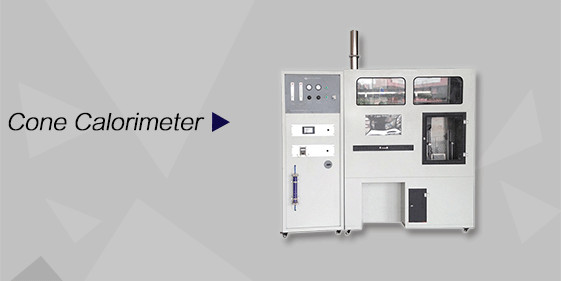
Cone Calorimeter
The import of American VTEC, cone calorimeter ultra high cost performance
more
-
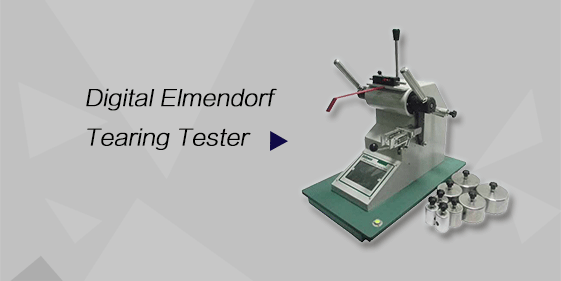
Digital Elmendorf Tearing Tester
Pendulum method test material tear strength, operating more simple, more accurate data
more
-
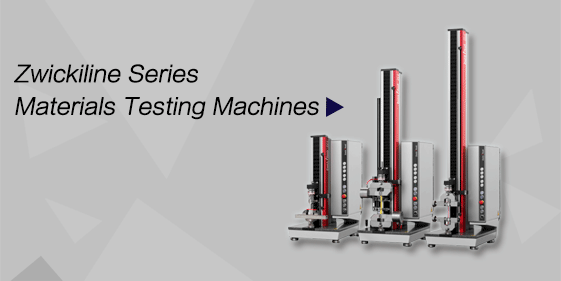
ZwickiLine Materials testing machines
Top of the world's leading universal material testing machine
more
Solar simulator
BACK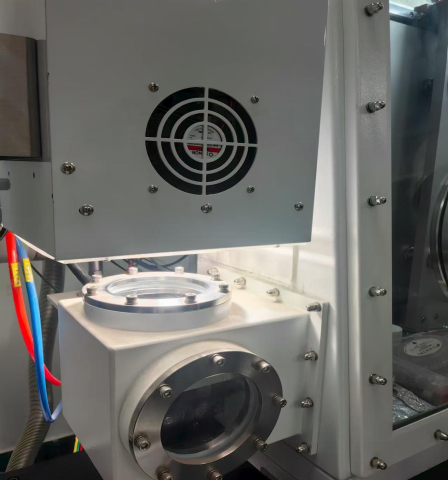


Standards:
Applications:
Perovskite solar cells
Organic solar cells
Silicon-based solar cells
Copper Indium Gallium Selenide (CIGS) solar cells
Product Information:
The solar simulator is an ideal artificial sunlight source used in scientific research and industrial solar cell fabrication. It employs LEDs covering a wavelength range of 380 nm to 780 nm as the light source. Through spectral fitting, light mixing, and homogenization, it generates a simulated solar light that meets AAA-class standards.
Parameters
|
Parameter |
Specification |
|
Light Source Type |
LED steady-state light source |
|
Effective Illumination Area |
2200 × 1200 mm (customizable) |
|
Spectral Range |
380–780 nm |
|
Irradiance Range |
Adjustable from 0.1–1.2 sun |
|
Working Distance |
50–150 mm |
|
Typical Output Power |
1000 mW/m² |
|
Spectral Match Grade |
Class A (0.75–1.25) |
|
Uniformity Grade |
Class A (<2%) |
|
Temporal Instability Grade |
Class A+ |
|
Illumination Mode |
Vertical or horizontal illumination |
|
Light Source Lifespan |
50.000 hours |
|
Power Supply Voltage |
220 V, 50 Hz |
Features
Long service life: inherent lifespan up to 100.000 hours
A+ spectral quality: superior to Class AAA steady-state LED solar simulators
Excellent spectral stability: efficient heat dissipation and a stable constant current source ensure reliable LED operation
High uniformity: A-grade uniformity across the effective illumination area
Safe and reliable: constant current driving with easy maintenance
FAQ
1. What is a Solar Simulator?
A Solar Simulator is a laboratory device that replicates natural sunlight under controlled conditions. It is used to test the performance, durability, and aging resistance of materials, solar cells, coatings, and other products exposed to solar radiation.
2. What is its working principle?
The system uses a high-intensity light source (such as xenon lamp, metal halide lamp, or LED array) combined with optical filters and control systems to simulate the solar spectrum, intensity, and irradiation uniformity of natural sunlight in a stable indoor environment.
3. What parameters can it test?
It is commonly used to evaluate:
Solar irradiance intensity
Spectral distribution (UV, visible, IR)
Photovoltaic conversion efficiency
Material aging and degradation
Thermal effects under sunlight exposure
4. Which standards does it comply with?
Typical standards include:
IEC 60904-9 (Photovoltaic device performance testing)
ASTM G173 (Solar spectral irradiance reference)
ISO 105-B02 (Textile color fastness to light)
IEC 61215 (Crystalline silicon PV module testing)
5. What industries use Solar Simulators?
It is widely used in:
Photovoltaic (solar panel) industry
Aerospace and satellite materials testing
Automotive lighting and material aging tests
Coating and paint durability testing
Textile and polymer weathering studies
Photochemical and research laboratories
