




Search keywords:
product name, product type, model number,
test method, manufacturer, technique, application
-
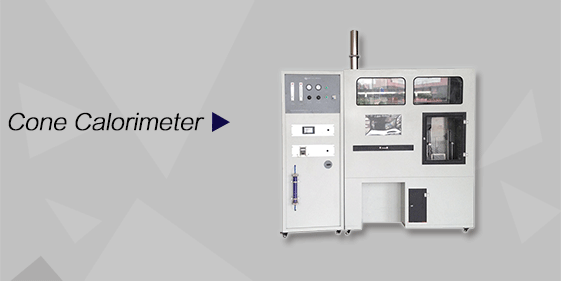
Cone Calorimeter
The import of American VTEC, cone calorimeter ultra high cost performance
more
-
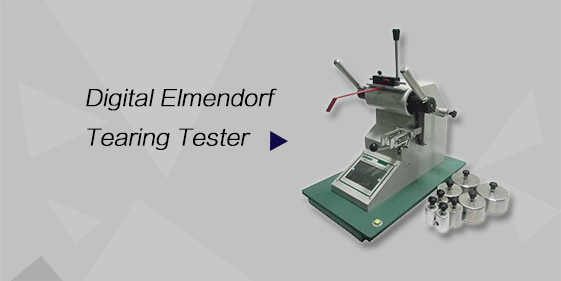
Digital Elmendorf Tearing Tester
Pendulum method test material tear strength, operating more simple, more accurate data
more
-
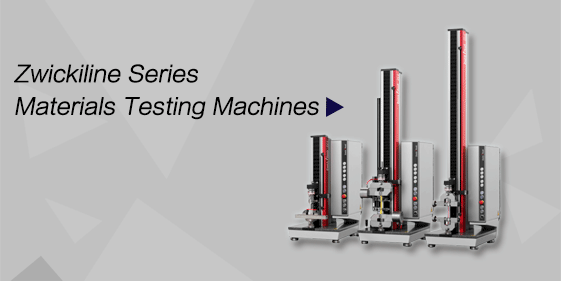
ZwickiLine Materials testing machines
Top of the world's leading universal material testing machine
more
Hair Loss Tester
BACK

Standards:
FZT60029, FZT61001 - 2006, FZT6004 - 2006.
Applications:
The Hair Loss Tester is used to evaluate the hair loss resistance of carpets, rugs, and other pile fabrics by measuring the amount of fiber or pile released during specified testing procedures. It is suitable for textile manufacturers, quality inspection laboratories, and research institutions.
Product Information:
I. Introduction
The YM572 Type Hair Loss Tester is used to measure the hair loss amount of various woven wool blankets.
This instrument is controlled by a digital counter. It can be preset with the number of cycles, perform automatic counting, collect cycle signals via a Hall element, and display data on an LED. Its features include high accuracy, stability, reliability, and soft operation sound.
Applicable standards: FZT60029. FZT61001 - 2006. FZT6004 - 2006.
(Note: When equipped with a Φ30mm rubbing head, it complies with the "Test Method for Color Fastness to Rubbing of Dyed Fur" GB/T 14254 - 1993.)
II. Main Technical Specifications of the Instrument
Brush direction: Unidirectional
Brush stroke: 270 mm
Moving speed: 26 times/min
Brush test area: 200 cm²
Pressure of the brush holder: 8.35 ± 5.09×10⁻⁶ Pa
Counting range: 1 - 999.900 times
Power supply: AC220V ± 10%, 50Hz
Net external dimensions: 560mm×360mm×450mm
Packing dimensions: 640mm×440mm×500mm
Weight: 43 kg
FAQs
1. What is a Hair Loss Tester used for?
It is used to evaluate the tendency of pile fibers or hair to shed from textile materials.
2. Which materials can be tested?
It is suitable for carpets, rugs, pile fabrics, and other relevant textile materials.
3. Why is hair loss testing important?
It helps assess fiber retention, product durability, and overall textile quality.
4. Who needs a Hair Loss Tester?
Textile manufacturers, testing laboratories, quality control departments, and research institutions.
5. Can the tester be used for quality control?
Yes. It helps manufacturers evaluate shedding performance and maintain consistent product quality.

