




Search keywords:
product name, product type, model number,
test method, manufacturer, technique, application
-
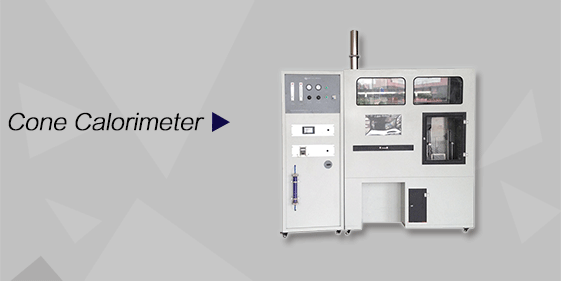
Cone Calorimeter
The import of American VTEC, cone calorimeter ultra high cost performance
more
-
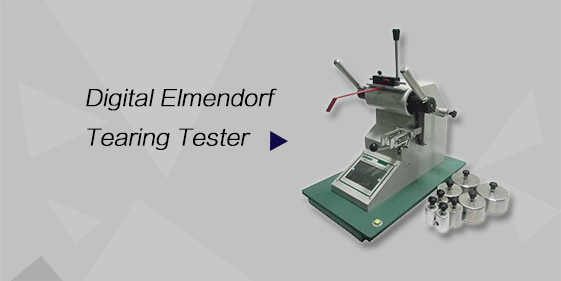
Digital Elmendorf Tearing Tester
Pendulum method test material tear strength, operating more simple, more accurate data
more
-
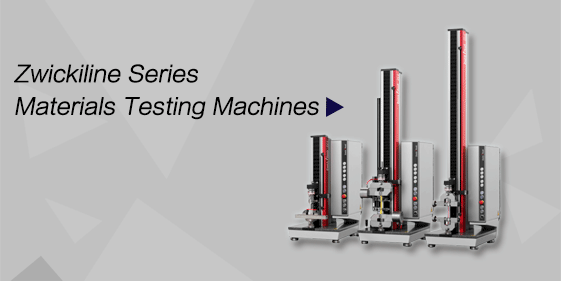
ZwickiLine Materials testing machines
Top of the world's leading universal material testing machine
more
Air Intake Filter Test System
BACK


Standards:
Applications:
Product Information:
Introduction
The filter tester is a highly targeted field test facility. It is easy to operate and easy to use. The user can easily obtain the measurement data of the filter resistance, flow rate and filtration efficiency by adjusting the variable frequency air volume controller. This system can provide the complete data parameters in time.
The test device can be used to measure the filtration efficiency of filter by air - sol spray method.
Configuration
DEHS aerosol generator * 1
Laser dust particle counter * 1 (2.83 litres/min)
Variable frequency controller * 1
Differential pressure gauge (inlet) * 3
Flow meter * 1 (low flow)
Flow nozzle * 1 (high flow)
High pressure fan * 1
Pipeline high efficiency air filter * 1
Pneumatic special fixture * 1 pair
Control valve * 2
Technical Parameters
| Items | Parameters |
| Applicable subject | Air intake filter |
| Inspection equipment | Laser dust particle counter (inside test bed) ×② |
| Flow scope | 50~300 m3/h |
| Range of detection resistance | 0~1000 Pa |
| Dust source | Aerosol (DEHS) |
| Power supply | 380V/ 50 Hz |
| System power consumption | <3500W |
FAQs
Q1: What is an Air Intake Filter Test System used for?
A: It evaluates the filtration performance of air intake filters used in engines and related systems.
Q2: Which filters can be tested?
A: It can test compatible automotive and industrial engine air filters.
Q3: What parameters can it measure?
A: Depending on the configuration, it can measure filtration efficiency, pressure drop, and airflow rate.
Q4: Which industries use this system?
A: It is commonly used in automotive manufacturing, engine production, and filter manufacturing.
Q5: Why is air intake filter testing important?
A: It helps ensure effective particle removal, protect engine components, and maintain filter quality.
