




Search keywords:
product name, product type, model number,
test method, manufacturer, technique, application
-
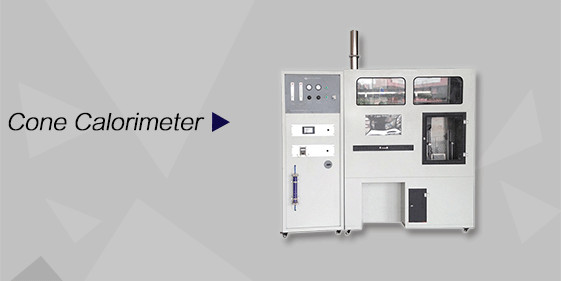
Cone Calorimeter
The import of American VTEC, cone calorimeter ultra high cost performance
more
-
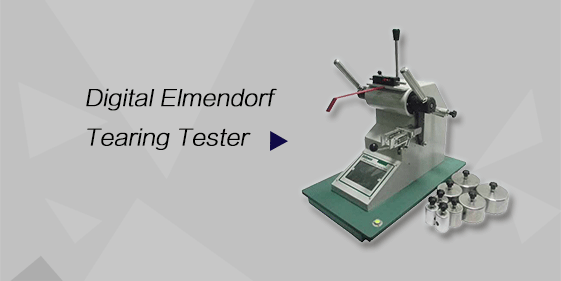
Digital Elmendorf Tearing Tester
Pendulum method test material tear strength, operating more simple, more accurate data
more
-
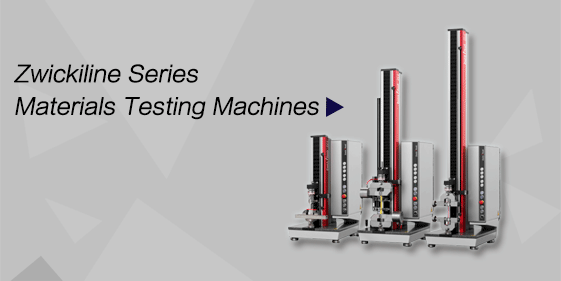
ZwickiLine Materials testing machines
Top of the world's leading universal material testing machine
more
Filter Media Tester G508(Without Vertical Duct)
BACK

Standards:
The G508 test bench supports parameterized test conditions in accordance with the following standards: (1) GB/T 6719 — Technical requirements for baghouse dust collectors (2) ISO 11057 — Air quality; test methods for filtration performance of cleanable filter media (3) ASTM D6830 — Test method for pressure drop and filtration performance of cleanable filter media (4) VDI/DIN 3926 — Evaluation methods for cleanable filter media (5) JIS Z 8909-1 — Test method for filter media for dust collection, Part 1
Applications:
(1) Filtration performance testing of filter media and filter bags for baghouse dust collectors
(2) Performance evaluation of cleanable industrial dust filtration materials
(3) R&D comparison of new high-efficiency filter materials
(4) Factory quality control of filter media and filter bags
(5) Analysis of aging behavior, cleaning performance, and residual pressure drop
(6) Measurement of overall efficiency, fractional efficiency, and dust penetration
(7) Type testing and technical validation for environmental equipment manufacturers
(8) Research and testing in laboratories, inspection institutes, and universities
Product Information:
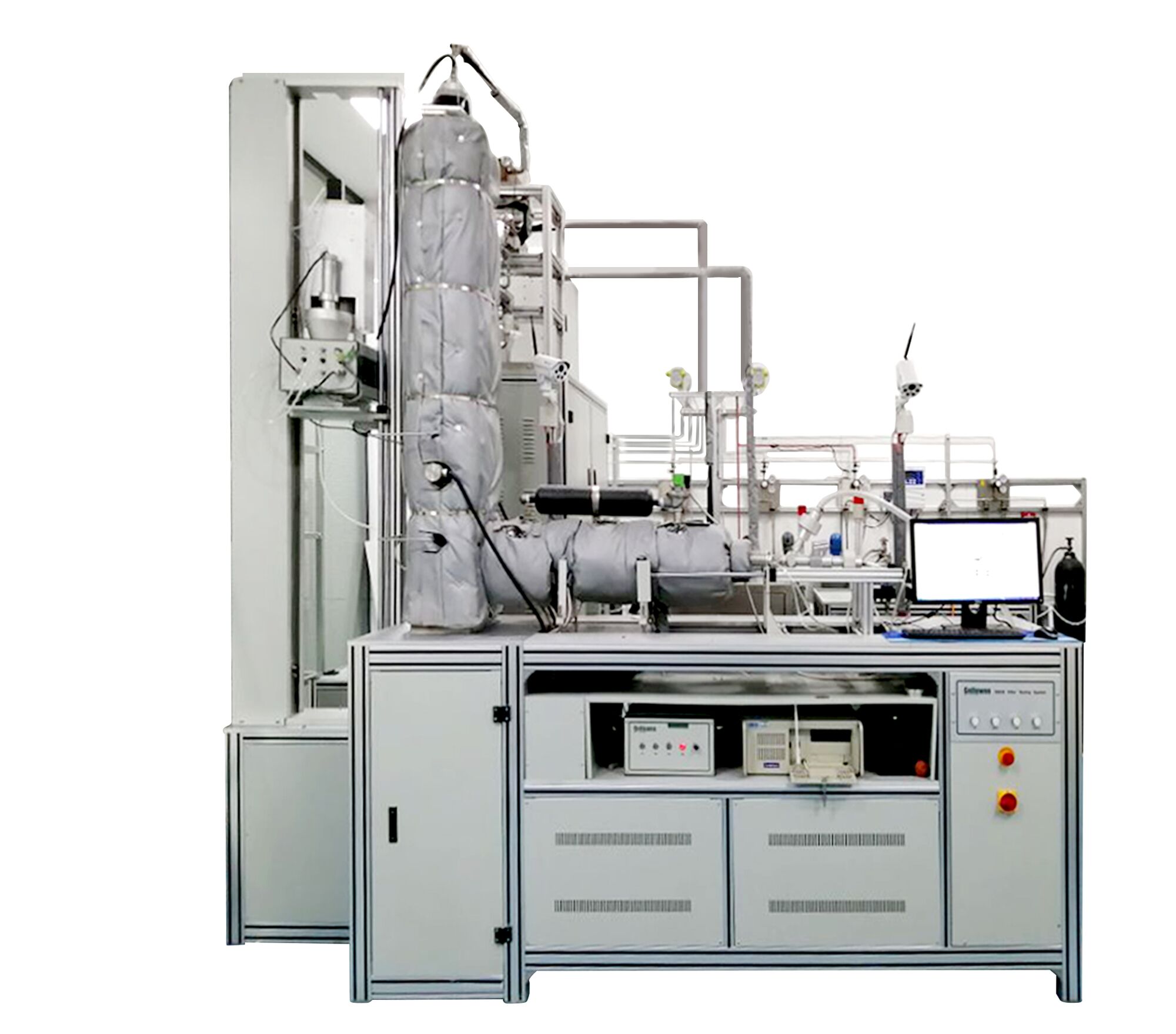
The Filter Media Filtration Performance Test Bench G508 is designed to evaluate the filtration performance and durability of filter media and filter bags used in baghouse dust collectors under simulated real operating conditions.
Using a horizontal airflow duct structure without vertical piping, you can reproduce realistic dust loading, cleaning, and aging processes. The system allows filter media to be tested under a stable dust cake condition, providing reliable data on pressure drop behavior, filtration efficiency, residual resistance, and dust penetration during continuous loading and pulse-cleaning cycles.
Parameters
Duct and System Structure (Horizontal Duct)
| Item | Technical Parameter |
|---|---|
| Duct configuration | Horizontal airflow duct |
| Dirty air duct cross-section | Rectangular, 110 mm × 290 mm |
| Clean air flow range | 0–10 m³/h |
| Overall system dimensions | Approx. 2300 mm × 1000 mm × 3500 mm |
| System weight | Approx. 350 kg |
| Power supply | AC 220 V, 50/60 Hz, 15 A |
Sensors and Measurement System
| Item | Technical Parameter |
|---|---|
| Temperature range | 0–100 °C |
| Temperature accuracy | ±0.2 °C |
| Pressure range | 0–1200 mbar |
| Pressure accuracy | ±0.3 % |
| Differential pressure range | 0–2500 Pa |
| Differential pressure accuracy | ±0.1 % |
| Airflow measurement range | 0–12 m³/h |
| Flow accuracy | ±1 % |
Dust Generation and Concentration Control
| Item | Technical Parameter |
|---|---|
| Dust feed rate | 42–430 g/h |
| Dust concentration range | 0.8–100 g/m³ |
| Concentration control accuracy | ≤ ±5 % |
| Dust hopper volume | 5.5 L |
| Test dust types | Standard dust, SAE dust, Fine A2, Pural SB |
Particle Size and Filtration Efficiency Analysis
| Item | Technical Parameter |
|---|---|
| Particle size range | 0.2–40 μm |
| Particle concentration range | 1–4,000,000 /L |
| Measurable indices | PM10 / PM2.5 / PM1 |
| Measurement principle | 90° light scattering with filter sampling |
| Analysis functions | Fractional efficiency and counting efficiency |
Features
(1) Horizontal airflow structure without vertical ducting, providing stable flow distribution for flat filter media testing
(2) High-repeatability dust loading system suitable for long-term aging and cleaning cycle tests
(3) Simultaneous online monitoring of pressure drop, filtration efficiency, particle size distribution, and dust penetration
(4) Flexible test configuration to meet multiple international standard requirements
(5) Automated data acquisition with curve display and Excel data export for further analysis
Accessories
(1) Solid aerosol dust generator
(2) Dust concentration monitoring instrument with automatic optical cleaning
(3) Particle size spectrometer for fractional efficiency measurement
(4) Pneumatic high-sealing specimen clamping fixture
(5) Precision analytical balance (readability 0.01 g)
(6) Microbalance (readability 0.01 mg)
(7) Standard test dust (e.g., Pural SB)
(8) Terminal HEPA filter for dust collection
(9) Air compressor for pulse-jet cleaning
(10) Desiccator and desiccant for sample conditioning
Test Procedures
(1) Install the filter media sample and verify sealing integrity of the fixture
(2) Set airflow rate, dust concentration, and test parameters according to the selected standard
(3) Start the dust generation system and begin the loading phase
(4) When the pressure drop reaches the preset value, activate pulse-jet cleaning
(5) Repeat loading and cleaning cycles until performance stabilizes
(6) Record pressure drop curves, filtration efficiency, and dust penetration data
(7) Export test data and perform performance evaluation
Maintenance Information
(1) Clean dust pipelines and filtration components after each test
(2) Periodically inspect sensors, flow meters, and pressure transmitters
(3) Check pulse valves and cleaning pressure settings regularly
(4) Ensure dust feeding and hopper systems remain dry and unobstructed
(5) Calibrate measurement instruments according to laboratory schedules
FAQ
1.What is this product?
This product is a filtration performance test bench for evaluating cleanable filter media and filter bags under simulated baghouse operating conditions.
2.What is this product used for?
You use it to measure pressure drop behavior, filtration efficiency, dust penetration, and cleaning performance of filter media.
3.What is the working principle of this product?
Dust-laden air flows horizontally through the filter media, forming a dust cake. Pressure drop and particle concentrations are monitored before and after filtration during repeated loading and pulse-cleaning cycles.
4.Why is this product important?
It provides reliable experimental data that reflects real operating conditions, supporting filter material selection, quality control, and product development.
5.What industries is this product suitable for?
Environmental protection equipment manufacturing, filter media production, industrial dust collection, research institutes, and testing laboratories.
