




Search keywords:
product name, product type, model number,
test method, manufacturer, technique, application
-
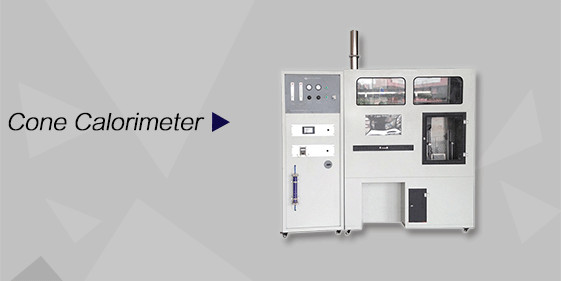
Cone Calorimeter
The import of American VTEC, cone calorimeter ultra high cost performance
more
-
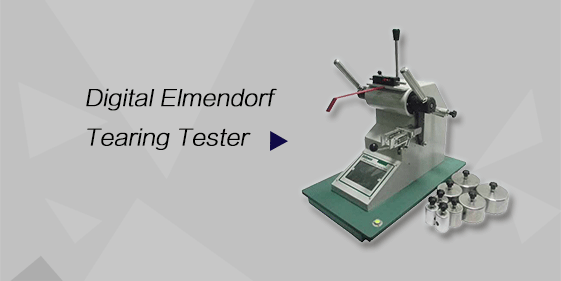
Digital Elmendorf Tearing Tester
Pendulum method test material tear strength, operating more simple, more accurate data
more
-
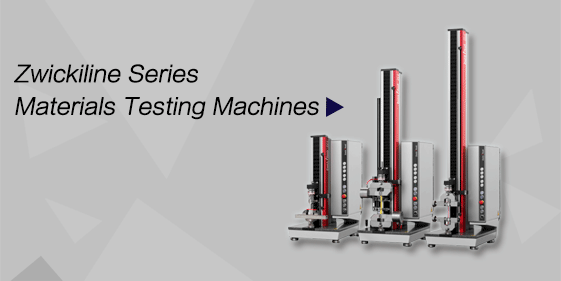
ZwickiLine Materials testing machines
Top of the world's leading universal material testing machine
more
Automated HEPA/ULPA Filter Scanning Test System
BACK

Standards:
The system supports and complies with the following standards: (1) GB/T 14295-2019 – Air filters. (2) GB/T 13554-2020 – High-efficiency air filters. (3) GB/T 6165-2021 – HEPA filter performance: efficiency and resistance. (4) ISO 29463-4 – HEPA filter leakage testing. (5) ISO 29463-5 – HEPA filter overall separation efficiency testing. (6) EN 1822-4 – HEPA filter leakage testing. (7) EN 1822-5 – HEPA filter overall separation efficiency testing. (8) ISO 14644-3 – Cleanroom air filtration system testing. (9) IEST-RP-CC034 – Standardized HEPA and ULPA filter testing.
Applications:
(1) HEPA and ULPA Filter Classification: Determine filter grade and performance.
(2) Standard-Compliant Testing: Conduct tests according to ISO 29463 and EN 1822 standards.
(3) Quality Control and Production Assurance: Integrate into filter production lines for real-time quality verification.
Product Information:
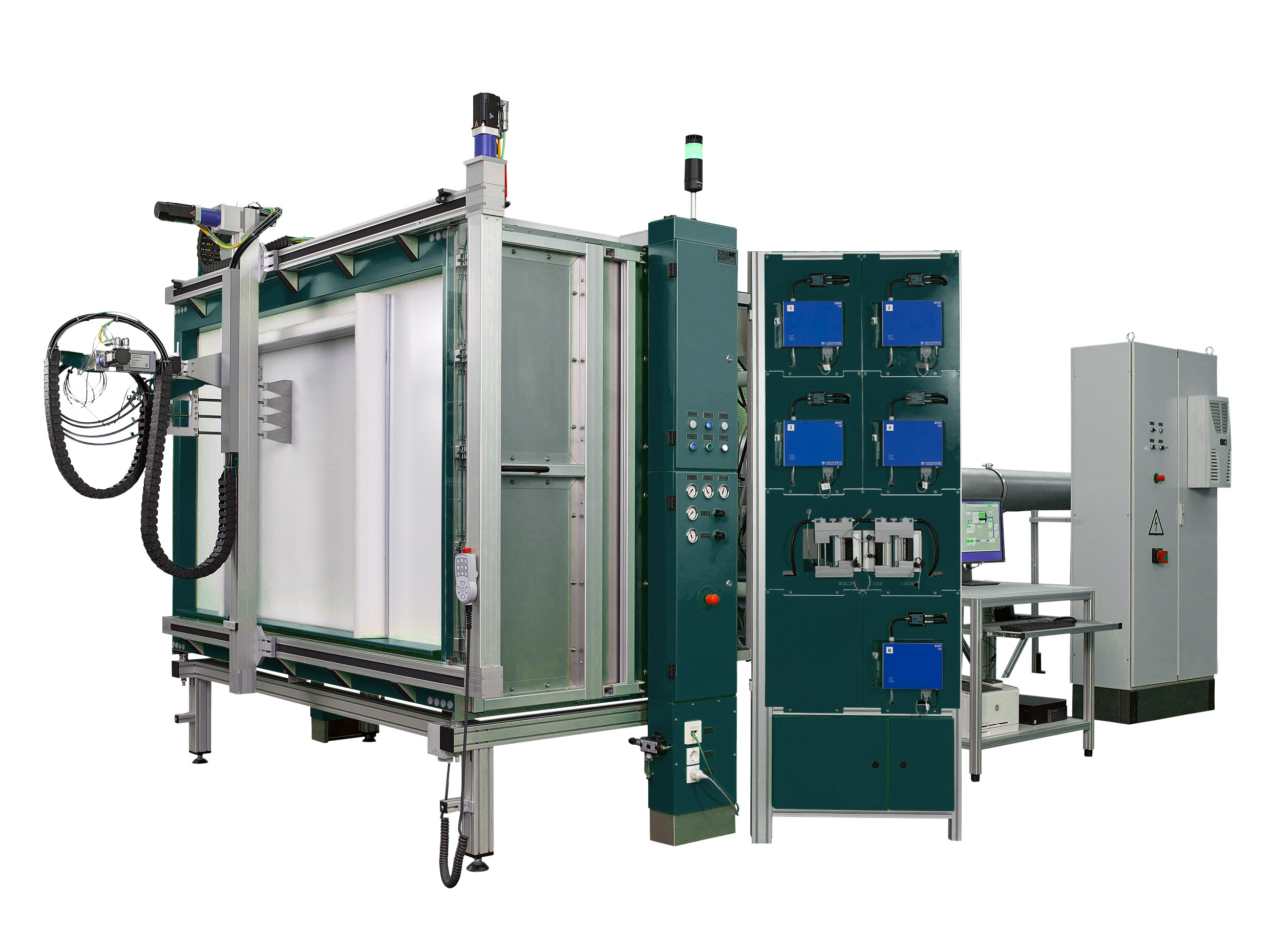
The Automated HEPA/ULPA Filter Scanning Test System is designed for automated testing of high-efficiency air filters (HEPA and ULPA) according to ISO 29463-4/5 and EN 1822-4/5 standards. It enables precise leakage detection, overall separation efficiency measurement, and classification of HEPA/ULPA filters. The system generates standard-compliant test reports and supports various filter dimensions via flexible adapters, ensuring fully automated, reliable, and fast filter testing.
Parameters
| Parameter | Unit | Value |
|---|---|---|
| Test Flow Rate | m³/h | 120 – 5000 |
| Differential Pressure Measurement | Pa | 1000 |
| Test Sample Dimensions | mm | Max 1830 × 1220 × 300 |
| Aerosol Operating Medium | – | DEHS, PSL |
| Gas/Air Supply | bar | 6 |
| Power Supply | – | 3 × 400 VAC, 100 A |
Features
Fully Automated Filter Scan: Multiple scanning probes enable short test cycles and minimal operator intervention.
Standard-Compliant Test Reports: Automatically generates ISO 29463-4/EN 1822-4 reports.
Flexible Filter Adapter: Accommodates various filter dimensions with quick-change adapters.
User-Friendly Software: STD150Win simplifies control, data acquisition, and analysis.
Accurate Leakage Detection: Particle counters provide precise detection beyond traditional photometers.
Automated Workflow: Reduces manual operations, improves efficiency, and enables real-time results display.
Data Management & Backup: Automatic storage and backup ensure data integrity and traceability.
Remote Access: Supports remote diagnostics, debugging, and calibration.
Accessories
| Accessory | Quantity |
|---|---|
| Filter Media Test Instrument | 1 |
| Filter Adapter | 1 |
| Test System Software | 1 |
Test Principle
Sample Installation: The filter is mounted in the filter holder, ensuring a secure fit.
Aerosol Generation & Flow: Aerosol (DEHS or PSL) is introduced at a controlled volume through the filter.
Leakage and Efficiency Measurement: Downstream particle concentration is measured via particle counters to calculate overall filtration efficiency and identify potential leaks.
Automated Data Collection: PC-controlled software records upstream and downstream particle counts and calculates efficiency and leakage locations.
Operation Instructions
System Startup:
- Configure and start all devices, including aerosol generator, particle counters, and airflow system.
- Install filter adapter according to sample dimensions.
Testing Process:
- Launch test; the system scans the filter using multiple probes, measuring leakage and overall efficiency automatically.
Data Recording & Reporting:
- Software generates a standard-compliant report, including efficiency and leak position.
Experimental Procedure
Preparation Stage:
- Verify all devices are operational.
- Install filter in the appropriate adapter.
Testing Stage:
- System conducts automated scanning and efficiency/leakage measurement.
Result Analysis & Report Generation:
- Test results are automatically compiled and saved in the software, including filter efficiency, potential leaks, and compliance with standards.
Maintenance Information
Regularly clean aerosol generators and scanning probes.
Verify particle counters and sensors for calibration accuracy.
Inspect adapters and seals to prevent leaks affecting measurement.
FAQ
1.What is this product?
A fully automated scanning system for HEPA and ULPA filter testing.
2.What is it used for?
Leakage detection, overall efficiency measurement, and filter classification.
3.Which standards does it support?
ISO 29463-4/5, EN 1822-4/5, ISO 14644-3, GB/T 14295-2019, GB/T 13554-2020.
4.Why is this product important?
It ensures reliable, fast, and traceable testing of high-efficiency filters, critical for cleanroom and production applications.
5.Which industries use this product?
Cleanroom facilities, HEPA/ULPA filter production, pharmaceutical, semiconductor, and HVAC industries.
