




Search keywords:
product name, product type, model number,
test method, manufacturer, technique, application
-
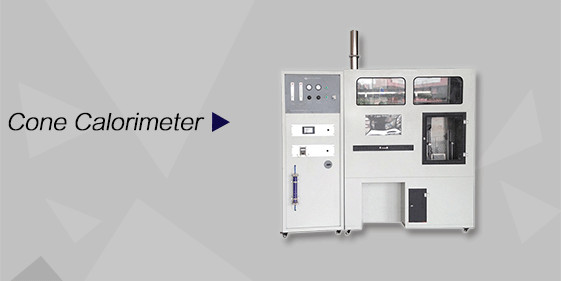
Cone Calorimeter
The import of American VTEC, cone calorimeter ultra high cost performance
more
-
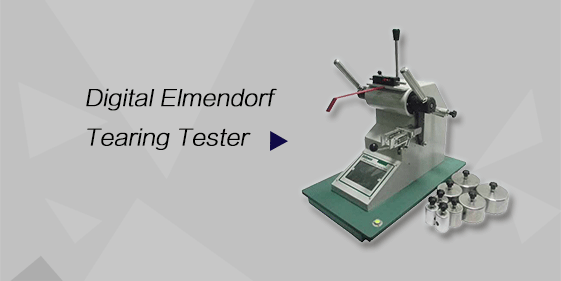
Digital Elmendorf Tearing Tester
Pendulum method test material tear strength, operating more simple, more accurate data
more
-
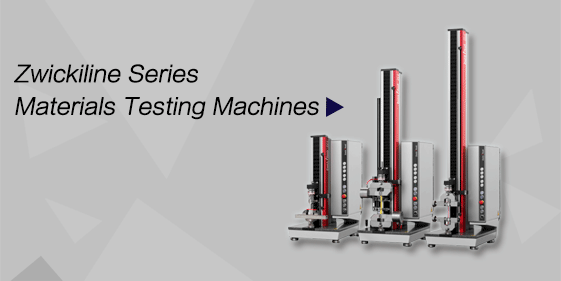
ZwickiLine Materials testing machines
Top of the world's leading universal material testing machine
more
HEPA Filter Element Quality Control Test System
BACK

Standards:
The system supports and complies with: (1) GB/T 13554-2020 – High-efficiency air filters. (2) GB/T 6165-2021 – HEPA filter performance: efficiency and resistance. (3) EN 1822-3 – HEPA and ULPA filter testing methods. (4) EN 1822-4 – Efficiency and leakage test for HEPA filters (0.3–0.5 µm). (5) ISO 29463-4 – HEPA/ULPA filter performance standard. (6) ISO 29463-3 – HEPA/ULPA filter design, performance, and acceptance testing.
Applications:
(1) Small HEPA Filter Element Efficiency Testing: Verification of overall efficiency for small HEPA elements.
(2) HEPA Filter Grade Confirmation: Determine HEPA classification according to standards.
(3) Integrated Production Control: Can be integrated into the production line for real-time quality assurance.
Product Information:
The HEPA Filter Element Quality Control Test System is designed for quality control of small HEPA filter elements in production. It complies with EN 1822-4 and ISO 29463-4, Appendix E (“Efficiency and leakage test for particle size 0.3–0.5 µm”). The system is suitable for filter elements that cannot be scanned due to geometric design, ensuring overall filter efficiency is sufficient for production QC.
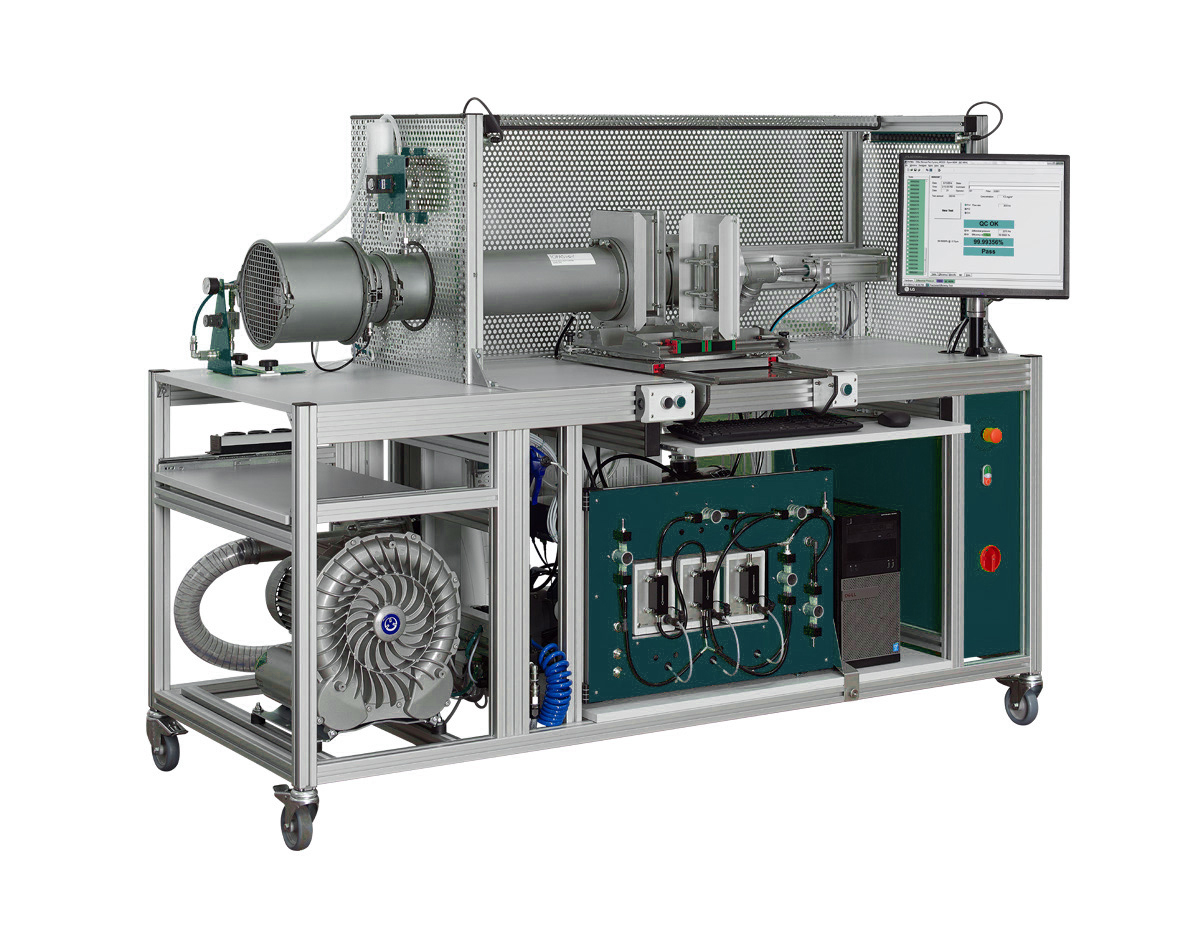
Parameters
| Parameter | Unit | Value |
|---|---|---|
| Test Flow Rate | m³/h | 25 … 130 |
| Test Cycle | s | 30 |
| Differential Pressure Range | Pa | 0 … 3000 (±1% final value) |
| Test Sample Dimensions | mm | Max 300 × 300 × 300 |
| Power Supply | – | 3 × 400 VAC, 50/60 Hz, 16 A |
| Operating Gas/Air | – | Custom (DEHS, paraffin oil, NaCl, etc.) |
| Particle Measurement | – | Particle counter (4 or 8 channels) with vacuum pump |
| Other Sensors | – | Temperature, relative humidity, barometric pressure |
| System Dimensions (W × H × D) | mm | 2000 × 1500 × 1000 |
| Weight | kg | approx. 600 |
Features
Configurable Target Efficiency and Pressure Drop: Freely set for each filter element according to production requirements.
Custom Filter Adapters: Adaptable to different small HEPA elements, quick change (~5 minutes).
Compact Design: Small footprint suitable for production environments.
High Automation: Minimal operator intervention, fast test completion.
24/7 Production Support: Suitable for continuous manufacturing operations.
Fast Test Cycle: 30 seconds per filter element ensures high throughput.
Safety Features: Complete protection for production environments.
Traceable Data Management: Test results are recorded and reports generated for quality tracking.
Accessories
| Accessory | Quantity |
|---|---|
| Aerosol Generator | 1 |
| Particle Counter (4 or 8 channels) | 1 |
| Self-Regulating Dilution System | 1 |
| Test Filter Adapter | Customized per filter element |
| Temperature & Humidity Sensor | 1 |
Test Principle
Overall Efficiency Testing:
DEHS aerosol is generated upstream; particle concentrations are measured upstream and downstream.
Upstream concentration is measured with an optical particle counter and adjusted via the dilution system.
Downstream concentration is measured similarly; overall efficiency is calculated and compared to nominal target.
Efficiency Comparison:
Overall measured efficiency is compared with target efficiency to quickly classify “pass” or “fail.”
Differential Pressure Measurement:
Measures pressure drop across the filter element, generating pressure curves and dust loading capacity data to ensure stable performance at different flow rates.
Operation Instructions
System Startup:
- Check connections (air, power, aerosol generator).
- Set target efficiency, pressure drop, and other test parameters.
- Start the test program.
Testing Process:
- Install small HEPA filter elements into custom adapters.
- System automatically conducts efficiency and differential pressure tests.
Data Recording and Reporting:
- Upon test completion, results are stored in the database.
- Generate detailed reports supporting quality traceability.
Experimental Procedure
Preparation:
- Configure test parameters (target efficiency, flow rate).
- Install filter elements in adapters.
- Verify aerosol generator and particle counters are operational.
Testing:
- System automatically measures differential pressure, efficiency, and dust loading.
- Upstream and downstream particle concentrations are recorded.
Result Processing:
- System provides “pass/fail” results and generates detailed reports.
Maintenance Information
Regularly check aerosol generators and particle counters.
Calibrate sensors periodically.
Keep the system clean to maintain accurate measurements.
FAQ
1.What is this product?
A test system for quality control of small HEPA filter elements.
2.What is it used for?
To verify HEPA filter efficiency, pressure drop, and overall quality in production.
3.Which standards does it support?
EN 1822-3/4, ISO 29463-3/4, GB/T 13554-2020, GB/T 6165-2021.
4.Why is this product important?
Ensures consistent production quality and compliance with HEPA standards.
5.Which industries use this product?
Cleanroom manufacturing, HVAC, laboratory filtration, medical device and pharmaceutical industries.
