




Search keywords:
product name, product type, model number,
test method, manufacturer, technique, application
-
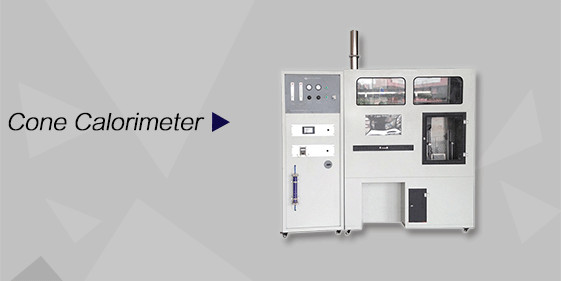
Cone Calorimeter
The import of American VTEC, cone calorimeter ultra high cost performance
more
-
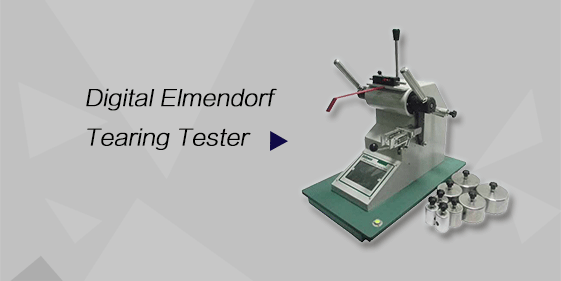
Digital Elmendorf Tearing Tester
Pendulum method test material tear strength, operating more simple, more accurate data
more
-
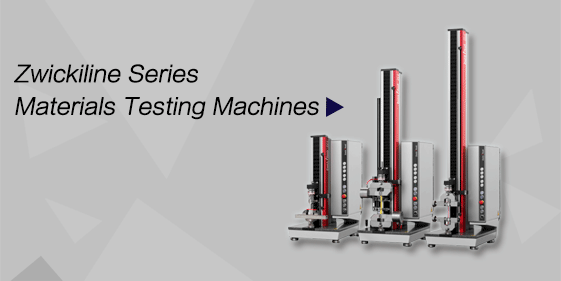
ZwickiLine Materials testing machines
Top of the world's leading universal material testing machine
more
Filter Flow Resistance Test Bench
BACK

Standards:
You can operate this tester in compliance with the following standards: (1) ISO 3968-2001 – Hydraulic fluid power – Evaluation of pressure drop–flow characteristics of filters; (2) GB/T 17486-2006 – Hydraulic filters – Assessment of pressure drop–flow characteristics; (3) ISO 4020-1:2001 – Automotive diesel engine fuel filters – Part 1: Differential pressure test for new filters; (4) GB/T 5923-2010 – Automotive diesel engine fuel filter test methods; (5) GB/T 8243.1-2006 – Internal combustion engine full-flow oil filter test methods: Pressure drop/flow characteristics; (6) ISO 4548-1:1990 – Internal combustion engine full-flow oil filter test methods: Pressure drop/flow characteristics; (7) SAE HS806:2001 – Engine oil filter test methods; (8) JIS D1611:1995 – Automotive parts – Engine oil filter test methods.
Applications:
You can apply this test bench in the following scenarios:
(1) Flow–pressure drop characterization of hydraulic system filters;
(2) Pressure–flow performance testing of automotive diesel fuel filters;
(3) Pressure drop evaluation of full-flow engine oil filters;
(4) Performance verification during new filter product development;
(5) Quality consistency control during filter production;
(6) Standard compliance testing in research institutions and third-party laboratories.
Product Information:
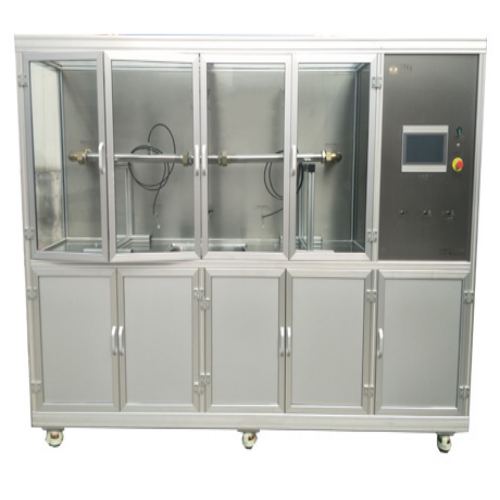
The Filter Flow Resistance Test Bench is designed to evaluate the differential pressure characteristics of various filters under different flow conditions. You can use this tester to accurately measure the flow–resistance performance of hydraulic, fuel, and engine oil filters. The system is developed according to international and domestic standards, verified through multiple trials, and ensures realistic simulation of actual operating conditions. It is an essential tool for R&D, type testing, and quality control of filter performance.
Parameters
| Parameter | Unit | Value |
|---|---|---|
| Test flow range | L/min | 100 … 800 |
| Flow segment configuration | L/min | 80 … 800 (optional) |
| Working medium | – | Aviation hydraulic oil No.32 |
| Medium temperature range | °C | Room temp … 60 ± 3 |
| System pressure range | MPa | 0.4 … 2.5 |
| Differential pressure display | – | Analog pressure gauge + digital display |
| Flow control | – | Variable frequency stepless adjustment |
Features
Automatic data acquisition and generation of flow–resistance curves for intuitive, reliable results.
Real-time display of flow–pressure curves, with data storage and printing capabilities.
Integrated heater and cooler to maintain medium temperature per test standard requirements.
Smooth, stable flow control via variable frequency drive, ensuring high repeatability.
Comprehensive safety features, including hydraulic protection, electrical overload and leakage protection, and emergency stop.
Robust frame design with stainless steel operation panel; test pipelines made of seamless stainless steel tubing for high pressure and corrosion resistance.
Accessories
(1) Main Test Bench Frame – Aluminum alloy structure.
(2) Flow Control System – Variable frequency drive for precise flow adjustment.
(3) Heater – Provides controlled temperature increase of the test medium.
(4) Cooler – Maintains medium at target temperature.
(5) Pressure Gauges – Displays system pressure.
(6) Differential Pressure Sensors – Measures pressure drop across the filter.
(7) Digital Display Instruments – Displays real-time data.
(8) Test Hydraulic Oil – Aviation hydraulic oil No.32.
(9) Stainless Steel Tubing – High-pressure, corrosion-resistant connections.
Test Procedures
Install the filter under test and ensure the connection is sealed.
Fill the system with the specified test medium and purge air completely.
Set and stabilize the medium temperature to meet the test requirements.
Gradually adjust the flow using the variable frequency drive.
At each flow point, stabilize and record the differential pressure.
Upon completion, gradually reduce flow and pressure, then shut down the system.
Maintenance Information
Regularly inspect pipelines, sensors, and safety devices for wear or leaks.
Check and calibrate differential pressure sensors periodically.
Clean the test medium and replace hydraulic oil according to usage frequency.
Verify flow control and temperature systems are functioning correctly before each test.
Ensure emergency stop and protection systems operate reliably.
FAQ
1.What is this product?
It is a test bench for measuring the flow–resistance characteristics of filters under controlled conditions.
2.What is this product used for?
You use it to evaluate the pressure drop behavior of hydraulic, fuel, and engine oil filters for R&D, type testing, and quality control.
3.How does this product work?
It drives a test medium through the filter at different flow rates, measures the inlet–outlet pressure difference, and generates flow–resistance curves.
4.Why is this product important?
It ensures filters meet performance requirements and verifies their structural and hydraulic design under realistic operating conditions.
5.Which industries is this product suitable for?
It is suitable for automotive, hydraulic equipment, engine manufacturing, aerospace, and research laboratories performing filter evaluation.
