




Search keywords:
product name, product type, model number,
test method, manufacturer, technique, application
-
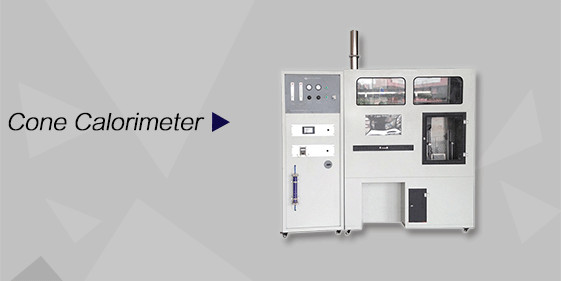
Cone Calorimeter
The import of American VTEC, cone calorimeter ultra high cost performance
more
-
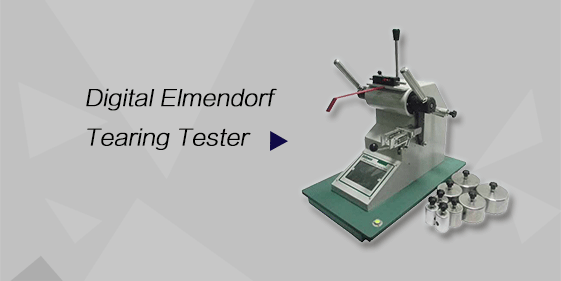
Digital Elmendorf Tearing Tester
Pendulum method test material tear strength, operating more simple, more accurate data
more
-
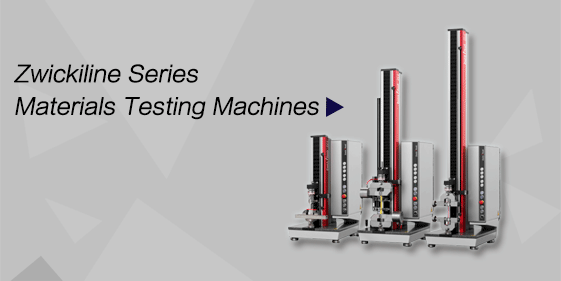
ZwickiLine Materials testing machines
Top of the world's leading universal material testing machine
more
Fuel Water Separator Test Bench
BACK

Standards:
ISO/TS 16332-2006 – Method for evaluating fuel water separation efficiency of diesel engine fuel filters ISO 4020-2001 – Road vehicles – Fuel filter test methods for diesel engines SAE J905-1999 – Diesel fuel filter test methods
Applications:
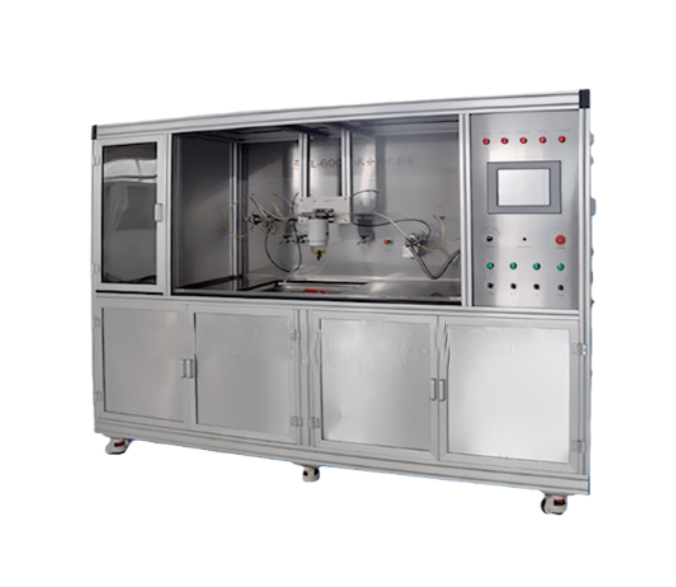
The Fuel Water Separator Test Bench is designed to evaluate the water separation performance and cleanliness of fuel filters used in diesel engines. Typical applications include:
Development of new fuel filter products
Comparative performance testing against international products
Quality control during production
Third-party testing and regulatory inspection
The system simulates fuel flow conditions and measures water separation efficiency, differential pressure, system pressure, and cleanliness to ensure accurate filter performance evaluation.
Product Information:
The Fuel Water Separator Test Bench primarily follows ISO/TS 16332-2006 "Diesel engines - Diesel filters - Evaluation of fuel-water separation performance" to test the oil-water separation characteristics of the fuel filter; and performs a cleanliness test on the fuel filter using ISO 4020-2001 "Road vehicles - Fuel filters for diesel engines". The main technical parameters displayed are: test flow rate, system pressure, orifice plate device pressure difference, test specimen pressure difference, and medium temperature.
Features
Automated Data Acquisition: Key performance parameters such as flow rate, pressure, and differential pressure are automatically recorded
Variable Flow Control: Flow rate regulated using a frequency converter for precise adjustment
Comprehensive Protection: Includes hydraulic protection, electrical protection (leakage, overload), and emergency stop functionality
Robust Construction: Aluminum alloy frame, stainless steel panel with engraved markings, and seamless stainless steel piping ensure durability
Customizable Design: Parameters can be tailored according to customer requirements
Technical Parameters
| Parameter | Unit | Value |
|---|---|---|
| Test flow rate | L/h | 60 … 600 or 30 … 300 |
| System pressure | MPa | 1 |
| Medium temperature | °C | Room temp (optional heating/cooling) |
| Water flow rate | mL/min | 1.5 … 200 |
| Orifice plate | – | Domestic or imported |
| Test fuel | – | 0# diesel |
| Test oil tank volume | L | 75 (final design) |
| Water tank volume | L | 15 (final design) |
Accessoriess
The test bench mainly consists of six parts: a test circulation system, a water injection system, a test auxiliary system, an online laser particle size analyzer, a Karl Fischer titrator, a real-time temperature control system, an electrical control system, and a test bench frame.
Test Procedures
1. Preparation Phase
Check the equipment power supply, air supply (if available), and pipeline connections for proper functioning;
Configure the test fuel-water mixture according to the testing requirements (in proportions conforming to the corresponding standards);
Install the fuel filter to be tested onto the filter interface of the test bench, ensuring a leak-free seal.
2. Parameter Setting
Select the corresponding test standard (e.g., ISO/TS 16332) through the operating interface;
Set the test parameters:
Fuel flow rate (simulating actual operating flow rate);
System pressure/differential pressure threshold range;
Test duration (set as needed).
3. Test Operation
Start the equipment and allow the fuel-water mixture to circulate through the filter at the set flow rate;
The equipment automatically monitors and records data such as water separation efficiency, differential pressure, and system pressure;
Observe the equipment's operating status during the process, and immediately stop if any abnormalities occur (e.g., leakage, excessive pressure).
4. Post-Test Processing
Stop operation, close pipeline valves, and drain residual fuel-water mixture;
Remove the filter under test and clean the test bench pipelines;
Export and analyze test data, and generate a test report.
FAQ
1. What is this product?
A test bench for evaluating the water separation and cleanliness performance of diesel fuel filters.
2. What is this product used for?
To measure water separation efficiency, differential pressure, and cleanliness of fuel filters for development, quality control, and comparative testing.
3. Why is this product important?
Accurate water separation testing ensures fuel filter performance, engine protection, and compliance with international standards.
4. What industries is this product suitable for?
Fuel filter manufacturers, diesel engine manufacturers, research institutes, and third-party testing laboratories.
5. What types of this product are available?
The test bench can accommodate different flow ranges and optional heating/cooling configurations for various diesel filter specifications.
