




Search keywords:
product name, product type, model number,
test method, manufacturer, technique, application
-
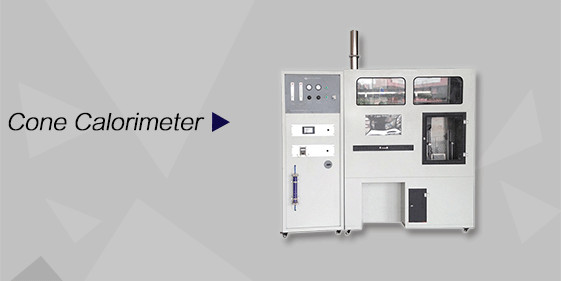
Cone Calorimeter
The import of American VTEC, cone calorimeter ultra high cost performance
more
-
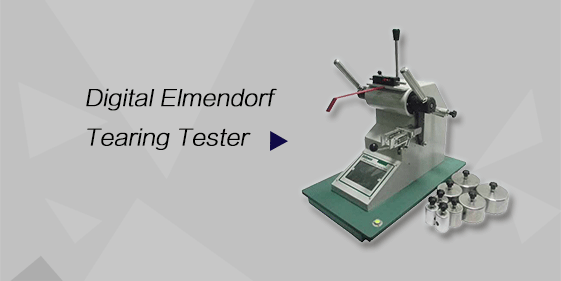
Digital Elmendorf Tearing Tester
Pendulum method test material tear strength, operating more simple, more accurate data
more
-
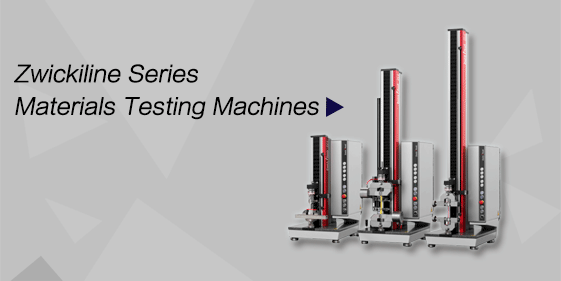
ZwickiLine Materials testing machines
Top of the world's leading universal material testing machine
more
G121 Vacuum Cleaner Filtration Test System
BACK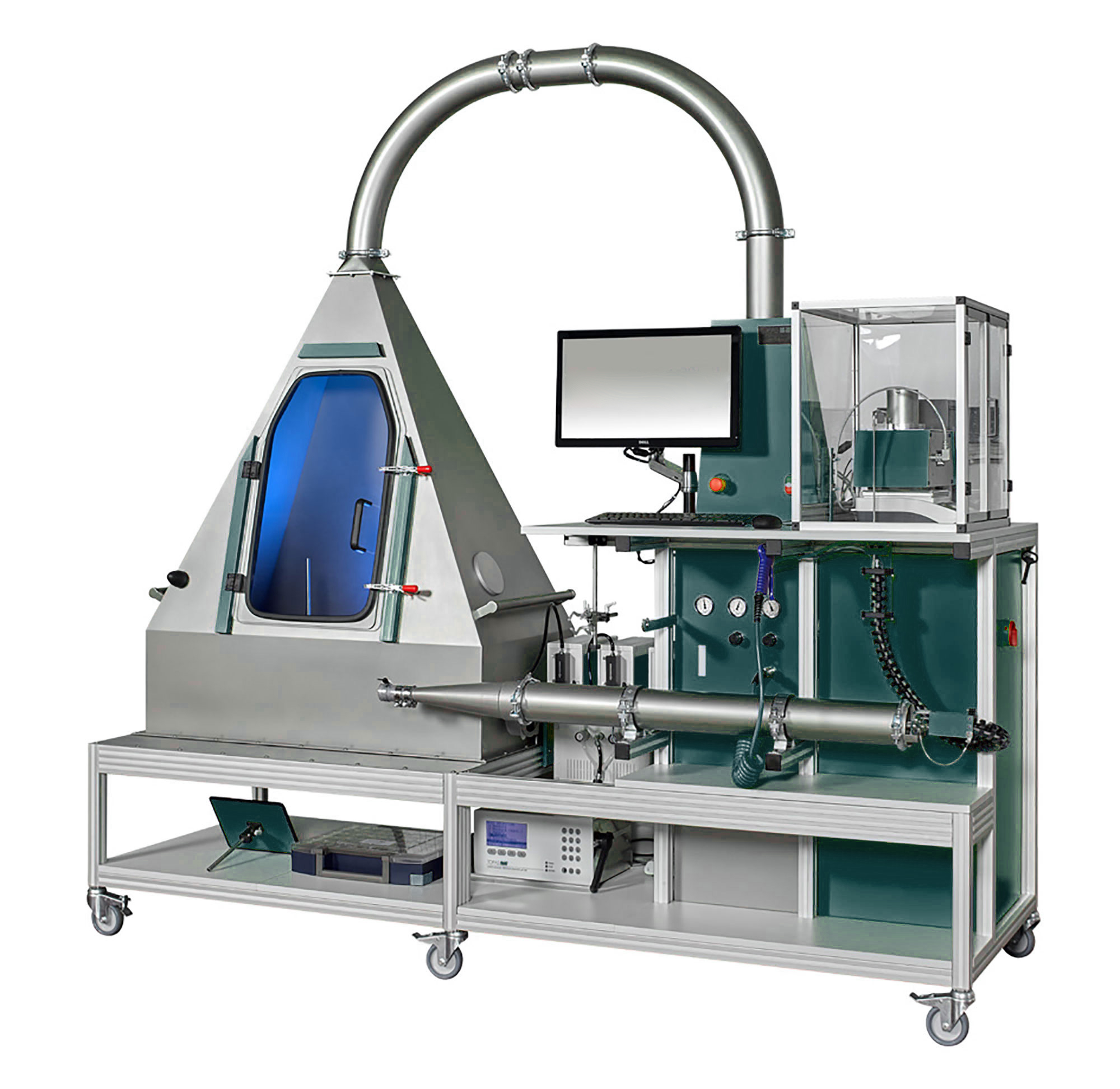


Standards:
EN 60312 — Household vacuum cleaners — Performance and measurement methods
Applications:
Particle emission testing for household and light commercial vacuum cleaners
Dust retention capacity testing of vacuum cleaners
Filtration efficiency measurement of vacuum cleaners
Evaluation of particulate concentration in exhaust air
Re-emission performance testing (compliant with EU energy labeling requirements)
Research & development and production quality control
Flexible implementation of manual or automated test solutions
Product Information:
This test system is designed for evaluating the emission and filtration performance of household and light commercial vacuum cleaners. It enables precise determination of particle emissions, dust retention capacity, and re-emission performance based on standardized methods.Through controlled aerosol generation and airflow regulation, the system provides standardized testing of both exhaust air and intake air. It is suitable for R&D optimization, production quality verification, and regulatory compliance testing.
 Product Specifications
|
Parameter |
Unit |
Value |
|
Test Flow Rate |
m³/h |
18–200 |
|
Test Gas |
— |
Clean compressed air, adjustable dust-laden air |
|
Power Supply |
— |
230 V AC; 50–60 Hz; 16 A |
|
Compressed Air Supply |
bar |
≥ 5 (≥ 5 m³/h) |
|
Dimensions |
mm |
2600 × 2500 × 850 |
|
Weight |
kg |
Approx. 350 |
Features
Automated test procedures compliant with EN 60312 standard
Capable of performing emission testing, filtration efficiency testing, and dust re-emission testing
Statistical data analysis including calculation of average values and confidence intervals
Manual control available for calibration and user-defined testing
Precise automatic dust dosing with mass flow control
Automatic data acquisition, statistical analysis, and export to Excel
User-friendly interface with touchscreen operation support
Accessories and Consumables
|
Accessories / Consumables |
Description |
|
Dust Feeder |
Continuous dust supply with automatic feed rate control (0.03–3 g/min) |
|
Optical Particle Counter |
Particle size range 0.3–25 μm, up to 16 size channels, equipped with sample switching unit and automatic dilution system |
|
Air and Electrical Sensors |
Measure vacuum cleaner operating status and environmental parameters |
|
Test Chamber and Air Duct |
Stainless steel construction ensuring airtightness and safety |
|
Control Software |
Software for test control, data acquisition, and analysis |
Test Principle
The system prepares and controls standardized inlet air to supply a preset dust concentration to the vacuum cleaner inlet (550 mg/m³ for emission testing; 100 mg/m³ for dust retention testing).
The exhaust air from the vacuum cleaner enters the test duct for particle analysis. An optical particle counter measures particle concentrations across different size ranges, while airflow and differential pressure sensors collect operating parameters. This enables quantitative evaluation of filtration efficiency and dust retention capacity.All data are collected, statistically processed, and reported by the control software.
 Operating Instructions
Ensure the vacuum cleaner is placed inside the sealed test chamber with proper sealing.
Select the appropriate test mode: emission test or dust retention test.
Start the dust feeding system and set the dust concentration and flow rate.
Run the automatic or manual test procedure to collect particle concentration and airflow data.
Calibrate sensors (airflow, differential pressure, environmental conditions) to ensure accuracy.
After testing, export data and generate statistical analysis and test reports.
Test Procedure
Place the vacuum cleaner inside the sealed test chamber and connect air and power supplies.
Set the test type (emission or dust retention) and start the dust feeder.
Launch the automated test program; the software guides the testing process.
Measure exhaust particle concentration and dust retention performance.
Automatically record airflow, differential pressure, and environmental parameters.
The software generates test results and statistical analysis (mean values and confidence intervals).
Export and archive data for R&D optimization or regulatory compliance verification.
