




Search keywords:
product name, product type, model number,
test method, manufacturer, technique, application
-
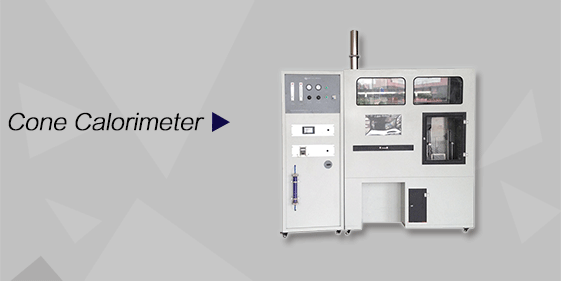
Cone Calorimeter
The import of American VTEC, cone calorimeter ultra high cost performance
more
-
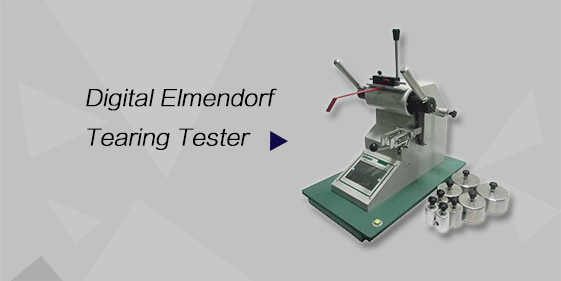
Digital Elmendorf Tearing Tester
Pendulum method test material tear strength, operating more simple, more accurate data
more
-
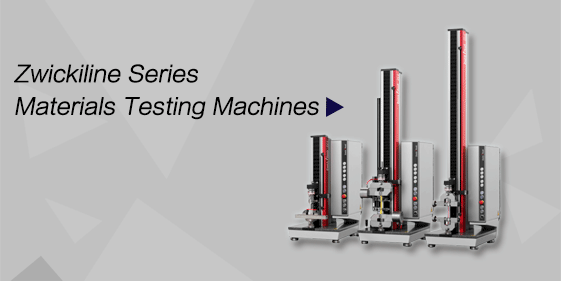
ZwickiLine Materials testing machines
Top of the world's leading universal material testing machine
more
Solid Combustion Rate Tester
BACK

Standards:
Applications:
This testing instrument is used to determine the ability of a substance to propagate combustion. After igniting the substance, the combustion time is determined. It is suitable for granular, pasty, or powdery substances.
Product Information:
This product complies with "Recommendations on the Transport of Dangerous Goods - Manual of Tests and Criteria" 33.2.1.4 Test N.1: Test Method for Flammable Solids issued by the United Nations, GB/T 21618 - 2008 Test Method for Burning Rate of Flammable Solids in Dangerous Goods, and NY/T 1860.15 - 2010 *Guidelines for Physicochemical Property Testing of Agricultural Chemicals - Part 15: Solid Flammability.
Features:
1. It adopts an embedded processor and Windows CE operating system.
2. With an 8 - inch liquid - crystal touch screen, it can display the test status in real - time.
3. It integrates two functions, "sieving experiment" and "combustion rate experiment", into one.
4. It is applicable to the detection of two types of sample materials: non - metallic powder and metallic powder.
5. It is equipped with a standard stacking mold and features a user - friendly shaking handle design.
6. Strictly in accordance with standard requirements, an ignition torch is used for the sieving experiment, eliminating the need for a gas cylinder and ensuring safety.
7. A nitrogen rod is used as the ignition source for the combustion rate experiment. The material has high stability, and the ignition source temperature detection device ensures that the ignition temperature reaches above 1000°C.
8. It uses full - automatic infrared flame detection technology, which can reliably detect open flames and smoldering phenomena, ensuring detection accuracy.
9. It has a fault - detection function and audible and visual alarm functions to ensure the safety of the experiment.
10. The experimental process is fully automated, requiring no manual intervention. It supports functions such as parameter setting, data storage, and report viewing.
Technical Parameters:
|
Operating environment |
(5~40)°C, <85%RH |
|
Ignition source temperature |
≥1000°C |
|
Ignition method |
Gas igniter with nitrogen-silicon rod |
|
Combustion detection stroke |
(0~250)mm |
|
Combustion distance measurement accuracy |
±0.5mm |
|
Timing range |
5min (non-metallic); 20min (metallic) |
|
Timing display resolution |
0.1s |
|
Pile stack mold |
Triangular-shaped molds 260mm long, 20mm wide, profiled to an inner height of 10mm |
|
Burner plate |
Flat plate made of corundum mullite, impervious to penetration, non-combustible, and with low thermal conductivity |
FAQ:
1. What is a Solid Combustion Rate Tester used for?
The Solid Combustion Rate Tester is designed to measure the burning rate of solid materials under controlled laboratory conditions. It is commonly used for evaluating fuels, polymers, composite materials, and other solid substances to ensure safety, quality, and compliance with industry standards.
2. Which standards does the Solid Combustion Rate Tester comply with?
This instrument typically operates according to international and national standards such as ASTM E202. ISO 9001. ISO 19706. or other regulatory guidelines depending on the tested material. Users should refer to specific test protocols for precise compliance requirements.
3. How does the Solid Combustion Rate Tester work?
The device ignites a prepared sample in a controlled environment and monitors parameters such as flame propagation, burn rate, and heat release. Sensors and high-precision timers record data, allowing calculation of the material’s combustion characteristics accurately.
4. What types of materials can be tested?
The tester is suitable for a wide range of solid fuels and materials, including wood, coal, biomass, polymers, composite materials, and other combustible solids used in industrial, research, or safety applications.

