




Search keywords:
product name, product type, model number,
test method, manufacturer, technique, application
-
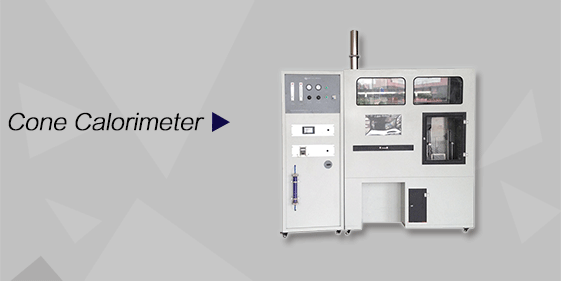
Cone Calorimeter
The import of American VTEC, cone calorimeter ultra high cost performance
more
-
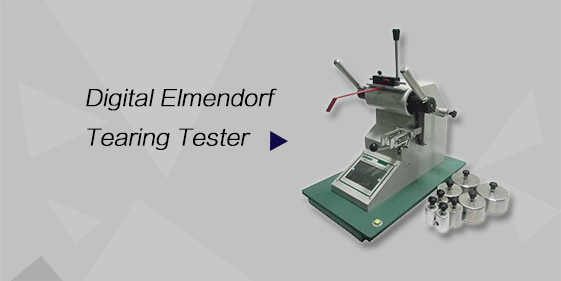
Digital Elmendorf Tearing Tester
Pendulum method test material tear strength, operating more simple, more accurate data
more
-
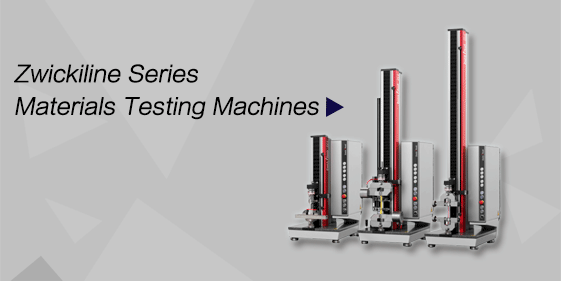
ZwickiLine Materials testing machines
Top of the world's leading universal material testing machine
more
Gas Oxidizing Property Tester
BACK

Standards:
Complies with the following standards: ISO 10156-2010. Part 4: Selection of Cylinder Valve Outlet by Determination of Combustion Potential and Oxidizing Ability of Gases and Gas Mixtures GB/T 27862-2011. Part 4: Test Methods for Classification of Chemical Hazards — Combustion Potential and Oxidizing Ability of Gases and Gas Mixtures
Applications:
This tester is used to determine whether the oxidizing property of a gas or gas mixture is higher than that of air. It can be used for testing toxic, corrosive gases or their mixtures.
Product Information:
The Gas Oxidizing Properties Tester is a device used to assess the oxidizing characteristics of gases. It evaluates a gas’s ability to act as an oxidizer, potentially supporting combustion or causing chemical reactions, under controlled laboratory conditions.
Features:
1. The test device and the control system adopt a split - structure design to ensure the safety of the instrument control unit and experimenters.
2. PC operation software is provided as a supporting part, reducing the operation difficulty of the instrument.
3. It supports remote - controlled ignition to ensure the safety of experimenters.
4. It is equipped with a high - precision pressure sensor, which can accurately measure the explosion pressure and control the concentration of gas partial pressure ratio.
5. It is equipped with a magnetic stirring device.
6. It has the function of an electronic micro - processor to control the ignition time.
7. It has an automatic cleaning function.
8. It is equipped with an automatic pressure - relief device. After the test is completed, automatic pressure - relief can be selected to release the pressure in the test tank.
9. It has multiple explosion - proof functions to ensure the safety of experimenters.
10. It has a fault - detection function and automatic audible and visual alarm functions.
11. The test process is fully automated, requiring no manual intervention. It supports functions such as parameter setting, data storage, and report viewing.
Technical Specifications:
| Parameter | Specification |
|---|---|
| Working Environment | 5℃–40℃, <85% RH |
| Test Chamber Material | Stainless Steel 316L |
| Test Chamber Pressure Resistance | ≥5000 kPa |
| Test Chamber Volume | ≥0.005 m³ |
| Accessories | Magnetic stirrer with adjustable speed |
| Ignition System Metal Rod Diameter | ≥3 mm |
| Nichrome Wire Diameter | 0.05–0.2 mm |
| Ignition Energy | 10–20 J |
| Explosion Pressure Sensor Range | 0–4000 kPa |
| Explosion Sensor Pressure Resistance | ≥6000 kPa |
| Explosion Sensor Accuracy | ±0.1% FS |
| Explosion Sensor Response Time | ≤1 ms |
| Gas Distribution Sensor Range | 0–200 kPa |
| Gas Distribution Sensor Accuracy | ±0.1% FS |
| Temperature Measurement Range | 0–150℃ |
| Temperature Measurement Accuracy | ±1℃ |
| Main Unit Dimensions | 830 mm × 650 mm × 1200 mm |
| Electrical Control Box Dimensions | 320 mm × 500 mm × 500 mm |
| Weight | 280 kg |
| Main Unit Power Supply | AC 220V ±10%, 50 Hz ±3 Hz |
| Rated Power | 400 W |
| Ignition Power | 3000 W |
FAQ:
1. What is the purpose of this tester?
It evaluates the oxidizing potential and reactivity of gases to ensure safety and compliance with industrial standards.
2. Which gases can be tested?
Applicable to oxygen-rich gases, industrial oxidizers, and reactive gas mixtures.
3. How is a test performed?
Gas samples are placed in a controlled chamber where sensors measure oxidation properties under specified temperature and pressure conditions.
4. What standards does this tester comply with?
Supports international and industry standards, including ISO, ASTM, and IEC guidelines for gas oxidizing property testing.
5. How should the tester be maintained?
Clean sensors and chamber after use, calibrate instruments regularly, inspect seals and tubing, and store in a dry, ventilated environment away from reactive substances.


