




Search keywords:
product name, product type, model number,
test method, manufacturer, technique, application
-
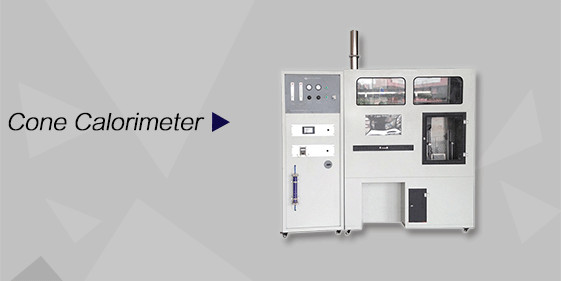
Cone Calorimeter
The import of American VTEC, cone calorimeter ultra high cost performance
more
-
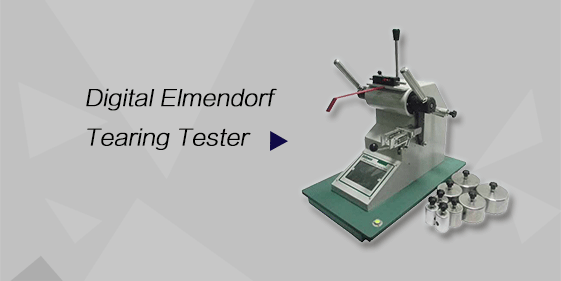
Digital Elmendorf Tearing Tester
Pendulum method test material tear strength, operating more simple, more accurate data
more
-
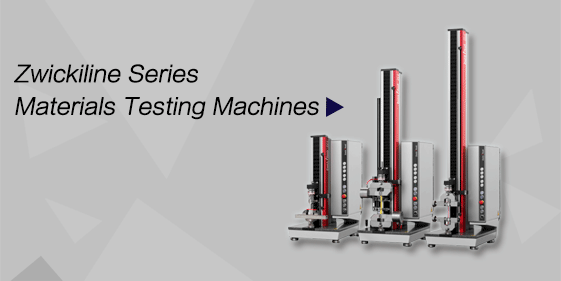
ZwickiLine Materials testing machines
Top of the world's leading universal material testing machine
more
Horizontal and Vertical Burning Tester
BACK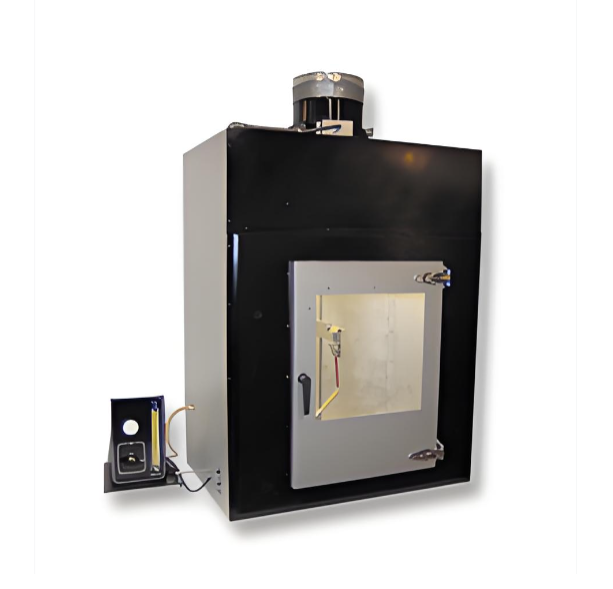


Standards:
Applications:
Horizontal vertical burning tester (STD-94) is used to simulate the early situation of a fire around the electronic products and technically evaluate the risk of the fire and ensure it will not to case the spread of the fire around the products. The test equipments can be applied to the components of household electronic products, for example the insulation shells, switches panels, printed circuit boards and insulation materials of household electronic appliances. This UL94 horizontal vertical burning tester is designed for the combustible test of equipments and the components materials. Most final testing metrics, such as flammable property, burning rate, flame spread, burning intensity and the flame retardation of the products, can be applied to the tester. The new test instrument with high automaticity and exact test dates is launched to satisfied the demanding users.
Product Information:
The Horizontal and Vertical Burning Tester is a laboratory testing instrument designed to evaluate the flammability and burning characteristics of plastic, rubber, textile, and other combustible materials under horizontal and vertical test conditions. It determines parameters such as burning time, flame propagation, afterflame, and afterglow to assess the material’s fire performance.
Standards:
1. Horizontal burning test: UL94HB (ASTM D 635. IEC 60695-11-10. IEC 60707. ISO 1210).
2. Vertical burning test: UL 94 V-0. V-1. or V-2 (ASTM D 3801. IEC 60695-11-10. IEC 60707. ISO 1210).
3. 500w (125mm) vertical burning test: 5VA / 5VB (ASTM D5048. IEC 60695-11-20. IEC 60707. ISO 9772) 500 W (125 mm).
4. Thin materials vertical burning test: VTM-0. VTM-1. or VTM-2 (ASTM D 4804. ISO 9773).
5. Foaming materials horizontal burning test: HF- 1. HF-2 or HBF (ASTM D 4986. ISO 9772).
6. Burner: (ASTM D 5025. ASTM D 5207. ISO 10093. ISO 103351).
Cabinet and holder:
1.1 Cabinet size: 1200 mm x 600 mm x 1300 mm
1.2 Extra large box (0.55 m3) ensures have enough air supply.
1.3 Stoving varnish treatment ensures the corrosion resistance.
1.4 Large glass observation window, beautiful designed, can used to observe the sample burning state conveniently.
1.5 Advance industrial design and ergonomic operation design are convenient for touching the sample. Burner rod design is easy to operate.
1.6 All the holders which made by stainless steel (#304) are beautiful and corrosion resistant. The holders are integrate designed for horizontal and vertical burning so that can easy operate and save the space.
1.7 The standard wedge bracket which can free expansion satisfies some special material’s test requirement. (Length: 120 mm ± 2 mm, width: 20 mm ± 1 mm; Material: #304 stainless steel, corrosion resistant ).
1.8 304 stainless steel frame height gauge.
1.9 The accuracy of the stainless steel ruler is .05 mm.
Burner tube and gas control system:
2.1 Burning angle: 0 – 45o.
2.2 The Bunsen burner tubes (Length: 100 mm ± 10 mm, inner diameter: 9.5 mm ± 0.3 mm) conform to the requirements of the IEC60695-11-4 burner.
2.3 The burner tube can control the flow rate (air).
2.4 The flowmeter and precision needle valve can exactly control the burning gases flow rate.
2.5 The high precision pressure regulator and pressure gage (range: 0 ~ 0.4 Mpa).
2.6 Dwyer U type pressure gauge.
2.7 Can exactly control the height of the flame (20 mm ± 2 mm).
Microcomputer control system:
3.1 PLC touch screen (control/detection/calculation/data display).
3.2 Pulse high voltage electronic automatic ignition.
3.3 Timing button with PLC can automatic record and store the burning time.
3.4 Automatically record the time when the flame reach 25 and 100 mm (accuracy 0.1s).
3.5 The system automatically record test time and produce reports without hand-hold second chronograph and manuscripts.
3.6 Touch screen can set the test time and ignition time. Satisfy different requirements of test standard.
3.7 PLC automatically calculate the linear burning rate and display and store in the touch screen.
3.8 The test level value (HB0. HB40. HB75/V-0 V-1 V-2) and national standard value are available on the screen.
3.9 The horizontal and vertical burning test can easy switch on the screen.
FAQs:
1. What is a Horizontal and Vertical Burning Tester?
It is a testing instrument used to evaluate the flammability and burning behavior of plastic and other combustible materials in horizontal and vertical orientations.
2. What materials can be tested?
It is commonly used for plastics, electrical components, insulation materials, rubber, textiles, and other combustible materials.
3. What parameters are evaluated?
Typical parameters include burning time, flame spread, afterflame time, afterglow time, and burning behavior.
4. What are the horizontal and vertical tests used for?
The horizontal test evaluates flame propagation along a horizontally positioned specimen, while the vertical test assesses burning behavior under vertical positioning.
5. Which standards can it be used with?
It is commonly configured for standards such as UL 94 and other applicable flammability test methods, depending on the specific model and configuration.
