




Search keywords:
product name, product type, model number,
test method, manufacturer, technique, application
-
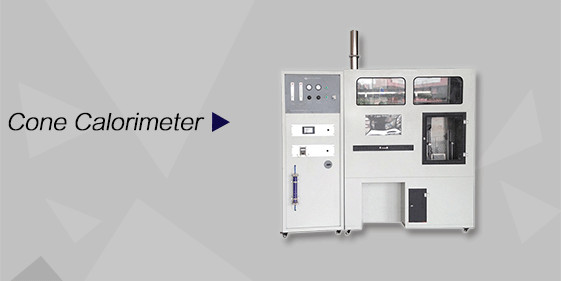
Cone Calorimeter
The import of American VTEC, cone calorimeter ultra high cost performance
more
-
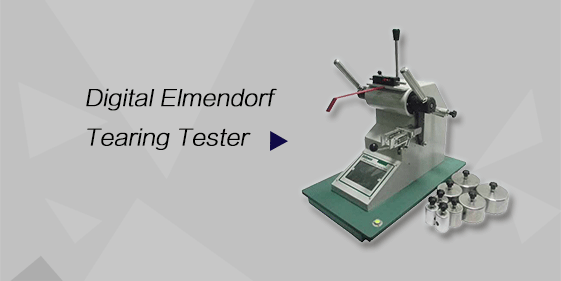
Digital Elmendorf Tearing Tester
Pendulum method test material tear strength, operating more simple, more accurate data
more
-
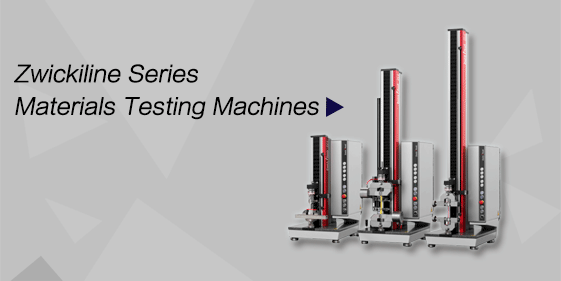
ZwickiLine Materials testing machines
Top of the world's leading universal material testing machine
more
Fast thermal conductivity tester
BACK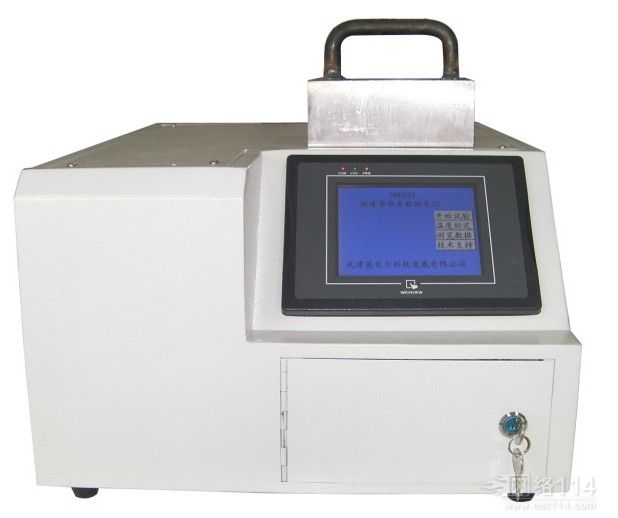


Standards:
GB 10297-1998, GB / T10294-2008, GB / T10801.1, GB / T10801.2
Applications:
Fast thermal conductivity tester-Mainly used for the determination of non-metallic solid material thermal conductivity, suitable for testing units, universities, research and production units to use.
Product Information:
Fast Thermal Conductivity Tester is a testing instrument used to rapidly measure the thermal conductivity of materials and evaluate their thermal insulation performance.
The Fast thermal conductivity tester main parameters:
1.Power supply:AC220V±10%,50Hz
2.Temperature range:(0-80)℃
3.Temperature resolution:0.01℃
4.Temperature measurement accuracy:0.1℃
5.Thermal conductivity measurement range:≤2W/(m·K)
6.Measurement error:±5%
7.Maximum measurement time:300s
8.Laboratory temperature:(23±2)°C
9.Laboratory humidity:(40-60%)RH
Fast thermal conductivity tester Main features:
1.Measurement time is short:the measurement process,the specimen material denatured,deformation is small,the measured value closer to the true value;
2.Easy to operate:all the use of microcomputer intelligent control,the operator without special training,you can directly post operation;
3.Wide test range:the basic effective coverage of non-metallic materials and low thermal conductivity of the metal material;
4.Widely used:widely used in construction,energy,environmental protection,chemical,medical,energy and other industries.
FAQs
1.What is a Fast Thermal Conductivity Tester used for?
It is used to quickly measure the thermal conductivity of materials.
2.What materials can be tested?
It is suitable for insulation materials,building materials,plastics,composites,and other solid materials.
3.What does the tester measure?
It primarily measures thermal conductivity and can help evaluate the thermal insulation performance of materials.
4.Why is fast thermal conductivity testing important?
It provides rapid test results for material development,quality control,and thermal performance evaluation.
5.What factors can affect thermal conductivity measurements?
Material density,moisture content,temperature,thickness,and internal structure can affect the measured thermal conductivity.
