




Search keywords:
product name, product type, model number,
test method, manufacturer, technique, application
-
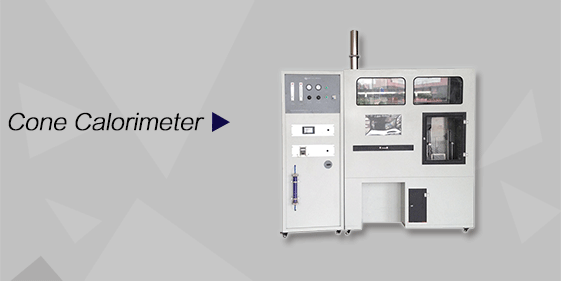
Cone Calorimeter
The import of American VTEC, cone calorimeter ultra high cost performance
more
-
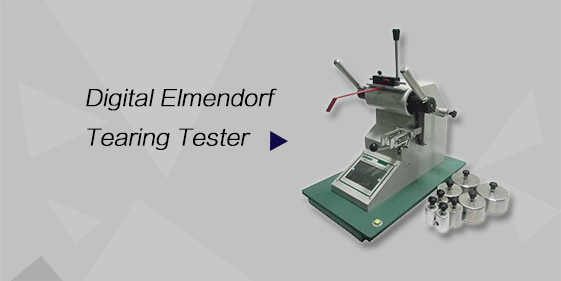
Digital Elmendorf Tearing Tester
Pendulum method test material tear strength, operating more simple, more accurate data
more
-
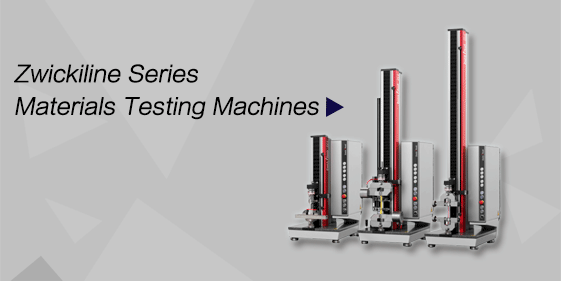
ZwickiLine Materials testing machines
Top of the world's leading universal material testing machine
more
Protective Clothing Fabrics Anti-heat Performance Tester
BACK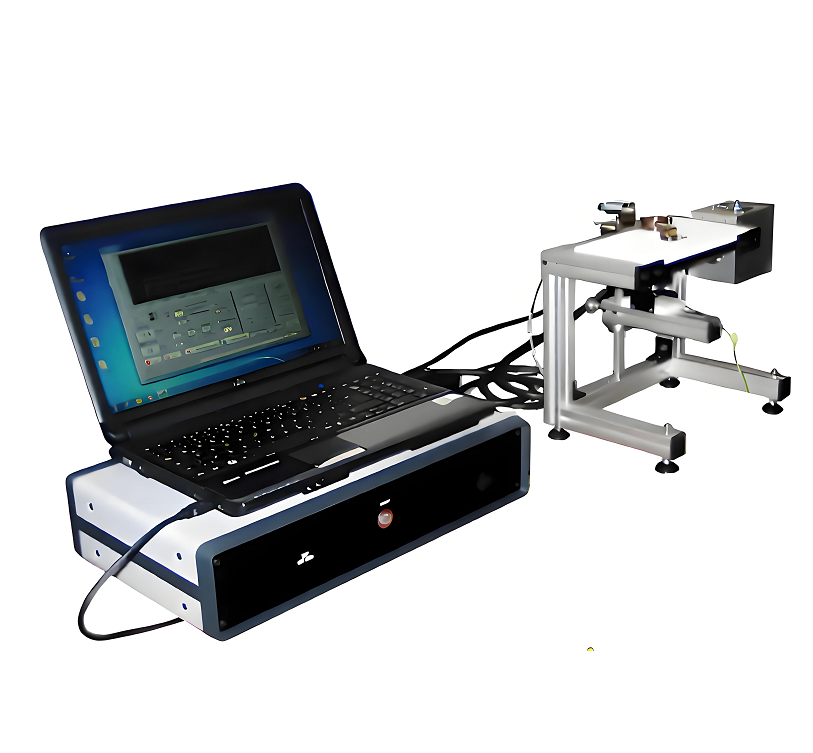


Standards:
ISO DIS 9150: Protective Clothing - Determination of Behaviour of Materials on Impact of Small Splashes of Molten Metal First Edition
Applications:
The instrument is suitable for determining the protection provided by materials under heat exposure when welding or with other related procedures.
Product Information:
A steel cylinder in a steel cone and in an oven is heated to a temperature of 600°C. After the heating the steel cone is put onto a mechanism which is on top of the calorimeter and the specimen. When triggering the magnetic switch the steel cylinder vertically falls onto the specimen. The calorimeter measures the starting temperature, the maximum temperature and the maximum difference. Before and after the test the calorimeter is adjusted to 20°C by a cooling and heating unit. The software manages the controlling, calculations and evaluation of the standard. The power supply for the controller is provided by an IEC-320 AC power cord set 230 VAC (50/60 Hz).
Technical Parameters:
| Items | Parameters |
| Sample geometry | Textiles |
| Test standards | ISO DIS 9150 |
| Sensory function | Temperature (calorimeter) |
| Power | 230 VAC / 150 VA |
| Dimension | 600 x 300 x 300 mm (W x D x H) |
| Weight | 20kg |
FAQs:
1. What is a Protective Clothing Fabrics Anti-heat Performance Tester?
It is used to evaluate the heat resistance and thermal protection performance of fabrics used in protective clothing.
2. What materials can be tested?
It is mainly suitable for heat-resistant fabrics, protective clothing materials, multilayer textiles, and other thermal protective materials.
3. What is the purpose of the test?
The test helps determine how well a fabric withstands heat exposure and provides thermal protection.
4. Where is this tester commonly used?
It is widely used in firefighting, welding, metalworking, industrial safety, and protective clothing manufacturing.
5. Can it be used for quality control?
Yes. It can be used for material development, product comparison, quality control, and thermal performance evaluation.
