




Search keywords:
product name, product type, model number,
test method, manufacturer, technique, application
-
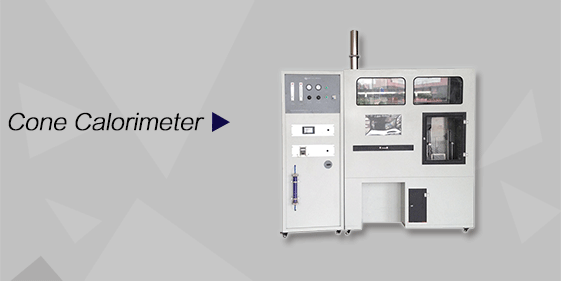
Cone Calorimeter
The import of American VTEC, cone calorimeter ultra high cost performance
more
-
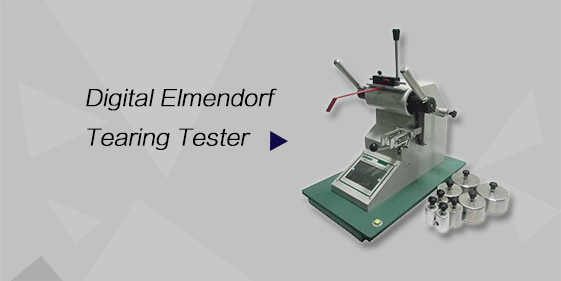
Digital Elmendorf Tearing Tester
Pendulum method test material tear strength, operating more simple, more accurate data
more
-
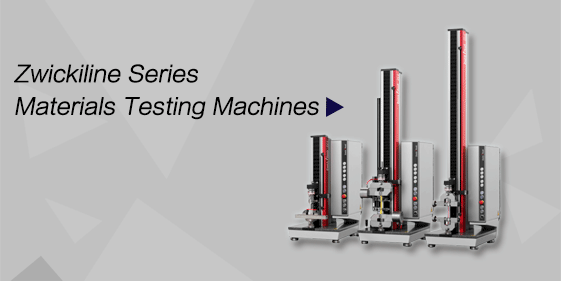
ZwickiLine Materials testing machines
Top of the world's leading universal material testing machine
more
Digital Thickness Gauge for Nonwovens
BACK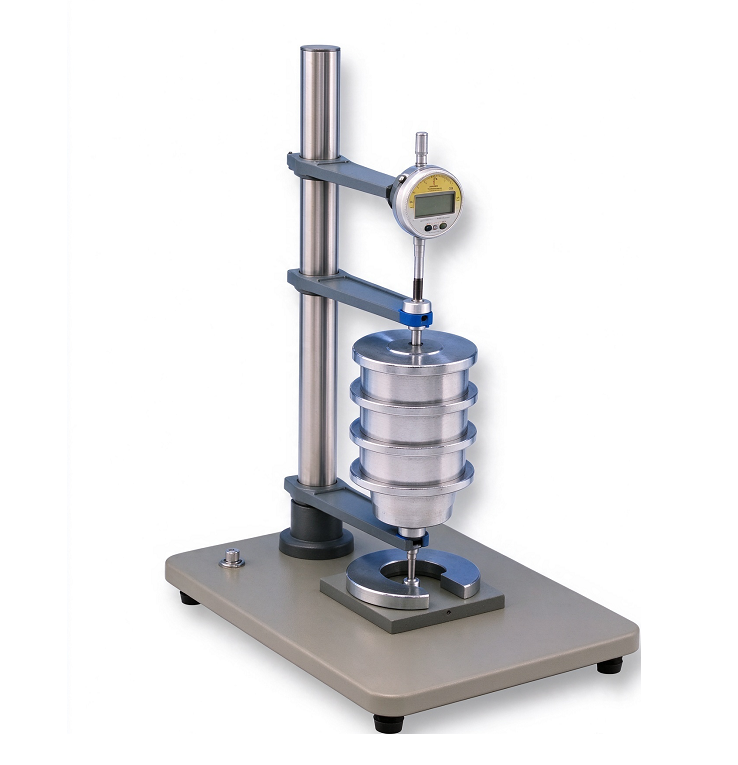


Standards:
ISO 9073: 1995 Part 2, EDANA Test Method 30.5-99, BS EN 964-1
Applications:
The Digital Thickness Gauge for Nonwovens is designed to measure the thickness of nonwoven fabrics under specified test pressure and measurement conditions. It is widely used in nonwoven manufacturing, textile testing, filtration materials, medical nonwovens, hygiene products, and quality control laboratories to monitor material thickness and ensure product consistency.
Product Information:
The Digital Thickness Gauge is available with specific nonwoven standard test kits.
Nonwovens: Include presser foot and reference plate.
Geotextiles: Include presser foot, reference plate, guard ring and set of weights to produce pressures of 2. 20. and 200kPa.
Accessory kits are available for floorcoverings and other specialist applications.
Features
Digital Display: Provides clear, easy-to-read thickness measurements.
High Measurement Accuracy: Supports precise and repeatable thickness testing under specified conditions.
Easy Operation: Features a user-friendly design for convenient testing and efficient operation.
Wide Application Range: Suitable for various nonwoven fabrics and related sheet materials.
Quality Control: Helps monitor thickness uniformity and maintain consistent product quality.
FAQ
1. What is a Digital Thickness Gauge for Nonwovens used for?
It is used to measure the thickness of nonwoven fabrics accurately and efficiently.
2. Which materials can be tested?
It is suitable for nonwoven fabrics, filtration materials, medical nonwovens, and other nonwoven products.
3. How does the gauge work?
It measures specimen thickness using a specified measuring pressure and displays the results digitally.
4. Why is nonwoven thickness testing important?
It helps ensure product consistency, quality control, and compliance with relevant testing requirements.
5. Which industries use this gauge?
It is widely used in nonwovens manufacturing, textile testing, filtration, medical materials, and quality inspection laboratories.
