Search keywords:
product name, product type, model number,
test method, manufacturer, technique, application
-
Cone Calorimeter
The import of American VTEC, cone calorimeter ultra high cost performance
more
-
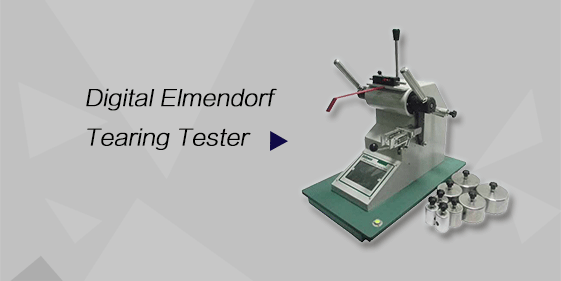
Digital Elmendorf Tearing Tester
Pendulum method test material tear strength, operating more simple, more accurate data
more
-

ZwickiLine Materials testing machines
Top of the world's leading universal material testing machine
more
Ross Flex Tester
BACK

Standards:
Applications:
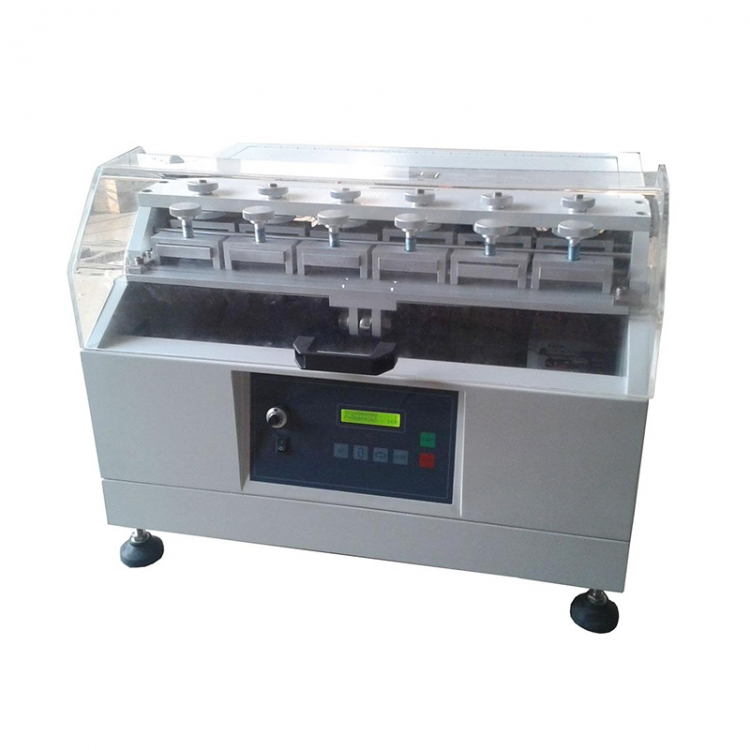
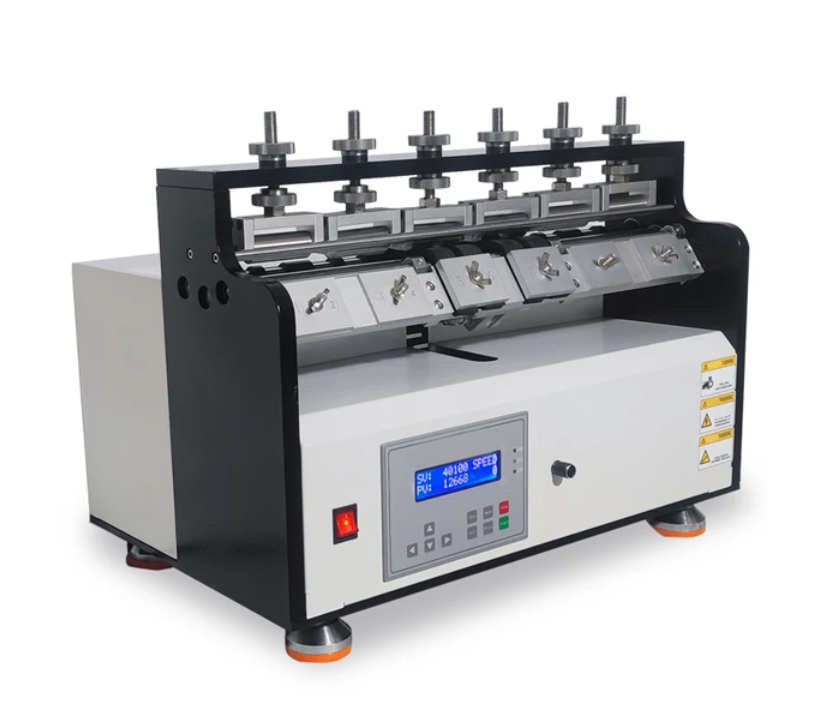
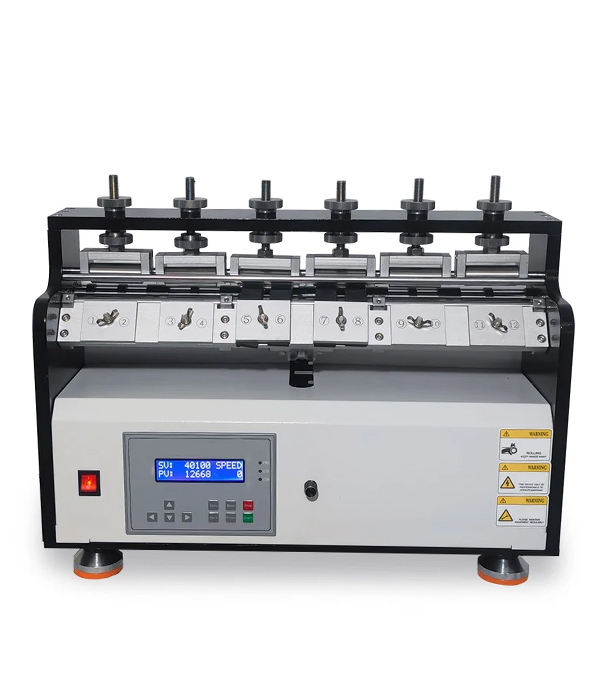
Whole Sole ROSS Flexing Tester GT-KB05D To determine right angle flexing risistance for whole sole of rubber, PU, PVC, TPR foam and other materials.
Product Information:
Whole Sole ROSS Flexing Tester GT-KB05D To determine right angle flexing risistance for whole sole of rubber, PU, PVC, TPR foam and other materials.Ross Flex Tester – Ross Flexing Tester is used to test rubber cut growth resistance under repeated flexing in 90° especially for shoe sole. This Ross Flexing Tester is suitable to test all types of flexible sheet material. Ross Flex Test Method includes ASTM D1052. SATRA TM60. ISO 4643 and etc.
Application:
The Ross Flexing Machine is designed to determine "resistance of vulcanized or synthetic elastomers to cut growth. It conforms to ASTM Method D1052. The rubber will form cracks when subjected to repeated flex or bending under specified conditions and known periods. The tester model QT-RF100 can test six pairs of samples simultaneously (twelve total). The frequency of the flexures is 100 cycles per minute. A six-digit counter tallies actual flexures. Power supplied can be configured upon request.
Features:
Body paint baking processed, easy for maintenance.
Fixture in aluminum material and surface processed with oxidation.
Equip with digital counter, automatically stop after test finished.
Standards:
(1) GB/T 2099-2007 — Footwear Test Methods
(2) ASTM D1052 — Standard Test Method for Flexing Endurance of Sole Materials
(3) ISO 5423 — Rubber and Plastics — Determination of Flex Cracking
(4) SATRA TM60 — Ross Flex Test
(5) HG/T 2411 / HB-T2411 — Footwear Sole Flexing Test Methods
(6) EN ISO 20344 — Footwear — Test Methods
Parameters:
| No. | Item | Specification |
|---|---|---|
| 1 | Bending Angle | 90 ± 20° |
| 2 | Bending Speed | 100 ± 3 CPM |
| 3 | Dimensions (W × D × H) | 19.7 × 24 × 21.6 in (500 × 610 × 550 mm) |
| 4 | Net Weight | 231 lbs (105 kg) |
| 5 | Power Supply | 110 V / 60 Hz / 1 Ph |
| 6 | Vacuum Pressure | 65 mmHg |
Accessories:
(1) 1 Knife die
(2) 1 Cutting knife
(3) Power cable
(4) Instruction manual
(5) Delivery note
Test Procedures:
(1) Cut sole strips to the standard size (152 × 25 mm) and pre-cut notch (2.5 mm).
(2) Mount the test pieces on the Ross Flex Tester, aligning the notch above the zigzag shaft center.
(3) Adjust bending angle to 90 ± 2° and set flexing speed (0–100 r/min).
(4) Set the number of test cycles or time on the controller.
(5) Start the test; the machine performs repeated zigzag flexing on the samples.
(6) Measure the notch growth after completion of the test.
(7) Record results and compare against material standards for flex resistance.
FAQs:
1. What is a Ross Flex Tester used for?
It is used to evaluate the flexing resistance and durability of rubber, footwear soles, and flexible materials.
2. What does the test determine?
It determines the material’s resistance to cracking and damage after repeated flexing.
3. What materials can be tested?
It is mainly suitable for rubber, vulcanized rubber, synthetic materials, and footwear sole materials.
4. Why is flexing resistance important?
It helps assess the durability and service life of materials subjected to repeated bending during use.
5. How is the test performed?
The specimen is mounted on the tester and repeatedly flexed under controlled conditions, then inspected for cracks or other damage.