




Search keywords:
product name, product type, model number,
test method, manufacturer, technique, application
-
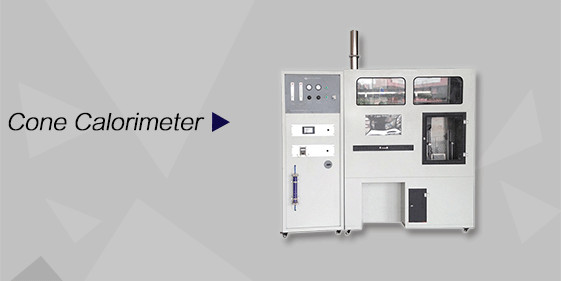
Cone Calorimeter
The import of American VTEC, cone calorimeter ultra high cost performance
more
-
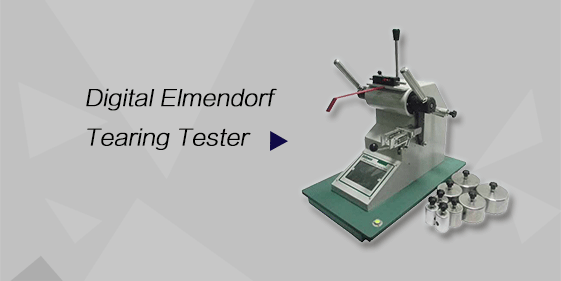
Digital Elmendorf Tearing Tester
Pendulum method test material tear strength, operating more simple, more accurate data
more
-

ZwickiLine Materials testing machines
Top of the world's leading universal material testing machine
more
Footwear Dynamic Waterproof Tester
BACK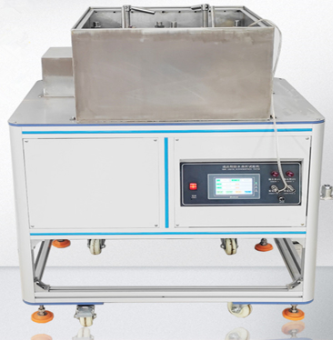


Standards:
Applications:
(1)Testing finished shoes for dynamic waterproof performance under walking simulation.
(2)Evaluation of outdoor footwear, sports shoes, hiking shoes, and casual shoes.
(3)Assessment of rubber boots, insulated winter footwear, and protective work shoes.
(4)Quality control in footwear manufacturing for water-resistant shoes.
(5)Research and development of new shoe materials with improved waterproofing.
(6)Verification of compliance with national and industry waterproof standards.
(7)Inspection of finished shoe prototypes for functional performance.
Product Information:
The Footwear Dynamic Waterproof Tester is designed to evaluate the waterproof performance of finished shoes under dynamic, flexing conditions. By simulating walking and repeated bending in a controlled water environment, the instrument measures either the number of cycles until water penetration occurs or the area of water ingress after a set number of cycles. This allows for a realistic assessment of footwear permeability and waterproof resistance.
Standards
(1)GB/T 16641 — Testing Method for Waterproof Performance of Footwear under Dynamic Conditions
(2)SATRA TM77 — Flexing Machine – Water Penetration Test for Footwear
(3)EN ISO 20344 — Personal Protective Equipment — Test Methods for Footwear
(4)ASTM F1670 — Standard Test Method for Resistance of Materials Used in Protective Clothing to Penetration by Synthetic Blood (adapted methodology for water penetration)
(5)ASTM F2912 — Standard Test Method for Water Penetration of Footwear
(6)ISO 20344:2011 — Footwear — Test Methods for Evaluating Performance of Finished Footwear
(7)DIN 33502 — Testing of Footwear for Waterproofing Properties
(8)BS 7979 — Specification for Water Penetration Resistance of Footwear
(9)AATCC TM 127 — Water Resistance: Hydrostatic Pressure Test (adapted for footwear materials)
Product Features
(1)Simulates walking flex with adjustable bending angles and speeds.
(2)Measures dynamic waterproof performance quantitatively, based on cycles to water penetration or penetration area.
(3)Multiple testing stations to allow simultaneous testing of a pair of shoes.
(4)Integrated counter tracks the number of flexing cycles accurately.
(5)Adjustable zigzag angle (5–60°) to match different shoe types.
(6)Variable zigzag speed (5–150 cycles/min) for diverse testing requirements.
(7)Durable construction suitable for wet testing environments.
(8)Touch screen interface for cycle counting and parameter setting.
(9)Water tank with controlled depth and dyed water for clear visualization of water penetration.
(10)Compatible with various types of finished footwear, including sports, casual, and protective shoes.
Technical Parameters
| Item | Specification |
|---|---|
| Zigzag Angle | 5–60° adjustable |
| Zigzag Speed | 5–150 times/min adjustable |
| Test Quantity | 2 finished shoes simultaneously |
| Counter | 0–999.999 (touch screen display, arbitrarily set) |
| Volume | 73 × 82 × 108 cm |
| Power Supply | AC220V, 10A |
Accessories
(1)Water tank with dyed water.
(2)Sample shoe holders/clamps.
(3)Touch screen controller.
(4)User manual and calibration certificate.
Test Procedures
(1)Install the finished shoes on the shoe holders/clamps in the water tank.
(2)Set the desired zigzag angle and flexing speed on the touch screen interface.
(3)Fill the tank with water to the required depth and add dye for penetration visualization.
(4)Start the test, allowing the zigzag mechanism to flex the shoes repeatedly.
(5)Monitor the shoes for water ingress; the system records the number of cycles until penetration or measures the penetration area after a preset number of cycles.
(6)After completion, remove the shoes and analyze waterproof performance according to the standard.
Maintenance Information
(1)Clean the water tank and shoe holders after each test to prevent residue buildup.
(2)Regularly inspect the zigzag mechanism and clamps for wear or misalignment.
(3)Check the touch screen and counter system for proper function.
(4)Drain and replace water regularly to maintain testing consistency.
(5)Store the equipment in a dry environment when not in use to prevent corrosion.
