




Search keywords:
product name, product type, model number,
test method, manufacturer, technique, application
-
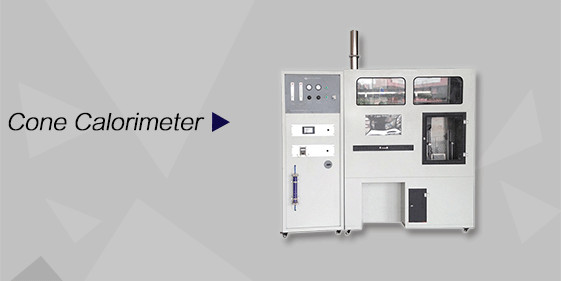
Cone Calorimeter
The import of American VTEC, cone calorimeter ultra high cost performance
more
-
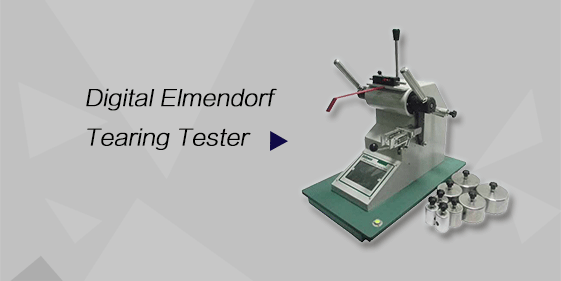
Digital Elmendorf Tearing Tester
Pendulum method test material tear strength, operating more simple, more accurate data
more
-
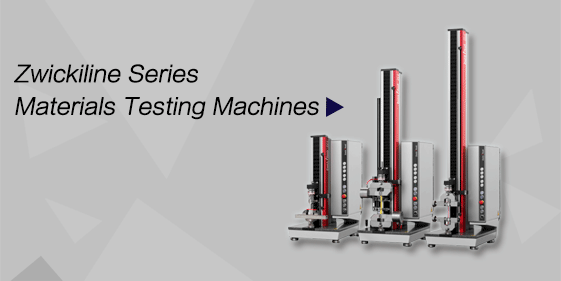
ZwickiLine Materials testing machines
Top of the world's leading universal material testing machine
more
Motorized Notching Machine
BACK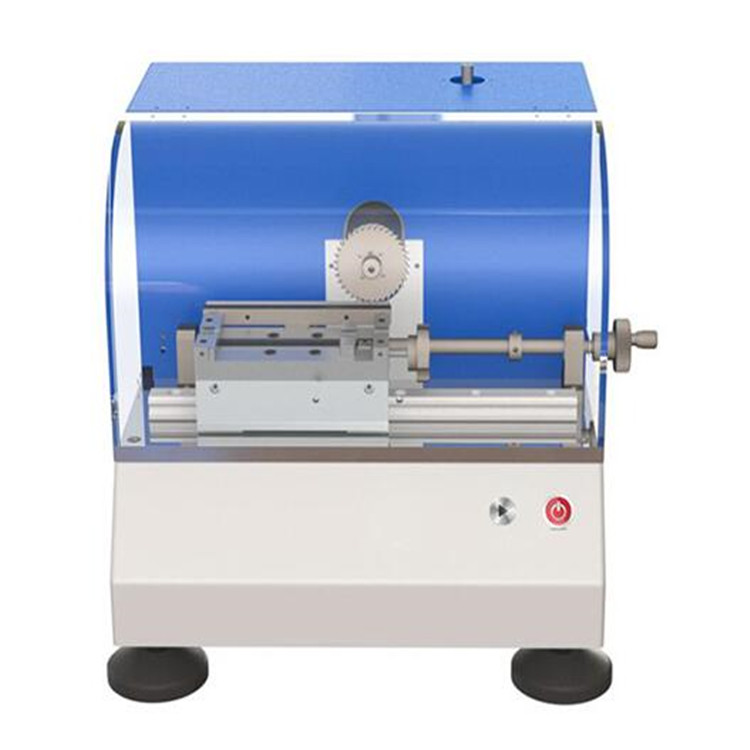


Standards:
Applications:
(1)Preparation of notched specimens from rigid plastic materials for impact toughness testing.
(2)Laboratory sample preparation for academic research and material science studies.
(3)Quality control in non-metallic material manufacturing, including plastic sheets, rods, and components.
(4)Preparation of samples for ISO 180. ISO 179. ASTM D256. GB/T 1843. GB/T 1043 impact tests.
(5)Evaluation of mechanical performance of non-metallic materials in product development and R&D.
Product Information:
The Motorized Notching Machine is designed to prepare standardized notched specimens for impact testing of rigid plastics and other non-metallic materials. It applies precise and controlled notching to cantilever and simply supported beam samples, ensuring repeatable and reliable impact strength measurements. The machine is suitable for laboratories in research institutions, universities, and non-metallic materials production plants.
Standards
(1)ISO 180-2000 — Plastics: Determination of Impact Strength of Rigid Cantilever Beams
(2)GB/T 1843-2008 — Rigid Plastic Cantilever Beam Impact Test Method
(3)JB/T 8761-1998 — Plastic Cantilever Beam Impact Testing Machine
(4)ASTM D256-2010 — Test Method for Determining the Impact Strength (IZOD Pendulum) of Plastics
(5)ISO 179-2000 — Plastics: Determination of Impact Strength of Simply Supported Beams of Hard Materials
(6)GB/T 1043-2008 — Rigid Plastic Simply Supported Beam Impact Test Method
(7)JB/T 8762-1998 — Plastic Simply Supported Beam Impact Testing Machine
Product Features
(1)Electric operation ensures consistent and controlled notching compared to manual methods.
(2)Mechanism for securely holding test specimens during the notching process.
(3)Precise cutting tool for producing Type A, B, or C notch geometries according to international standards.
(4)Controlled feed speed (30 mm/min) ensures repeatable notch quality.
(5)Robust and stable construction for accurate and durable operation.
(6)Supports multiple sample and notch types for cantilever and simply supported beam specimens.
Technical Parameters
| Item | Specification |
|---|---|
| Table Stroke | >160 mm |
| Feed Speed | 30 mm/min |
| Sample Type | Type 1. Type 2. Type 3 |
| Notch Type | Type A (standard), Type B (optional), Type C (optional) |
| Power Supply | AC220V, 50/60Hz |
| Motor | Electric motor with speed control |
Accessories
(1)Notching blades for Type A, B, and C notches
(2)Sample clamping fixtures
(3)Power cable
(4)Instruction manual and documentation
Test Procedures
(1)Secure the specimen in the clamping fixture.
(2)Select the appropriate notching blade according to the required notch type (A, B, or C).
(3)Set the feed speed and table stroke according to the sample size and standard.
(4)Activate the motor to perform notching.
(5)After notching, inspect the specimen to verify correct notch geometry.
(6)Use the prepared specimen for impact testing according to the relevant standard.
Maintenance Information
(1)Keep the cutting blade clean and sharp for precise notch geometry.
(2)Lubricate moving parts regularly to maintain smooth feed operation.
(3)Check alignment of the clamping fixture and table stroke.
(4)Inspect electrical connections and motor performance periodically.
(5)Store the machine in a dry environment to prevent corrosion.
