




Search keywords:
product name, product type, model number,
test method, manufacturer, technique, application
-
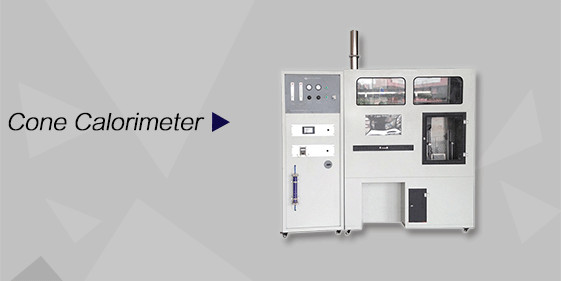
Cone Calorimeter
The import of American VTEC, cone calorimeter ultra high cost performance
more
-
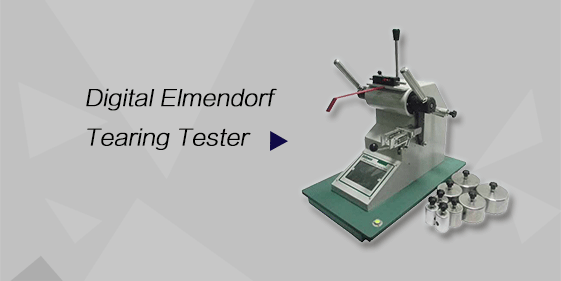
Digital Elmendorf Tearing Tester
Pendulum method test material tear strength, operating more simple, more accurate data
more
-
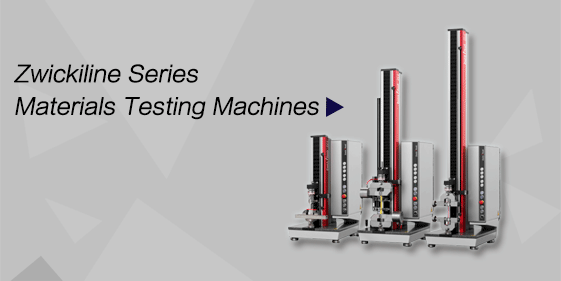
ZwickiLine Materials testing machines
Top of the world's leading universal material testing machine
more
Shoe Heel Impact Fatigue Tester
BACK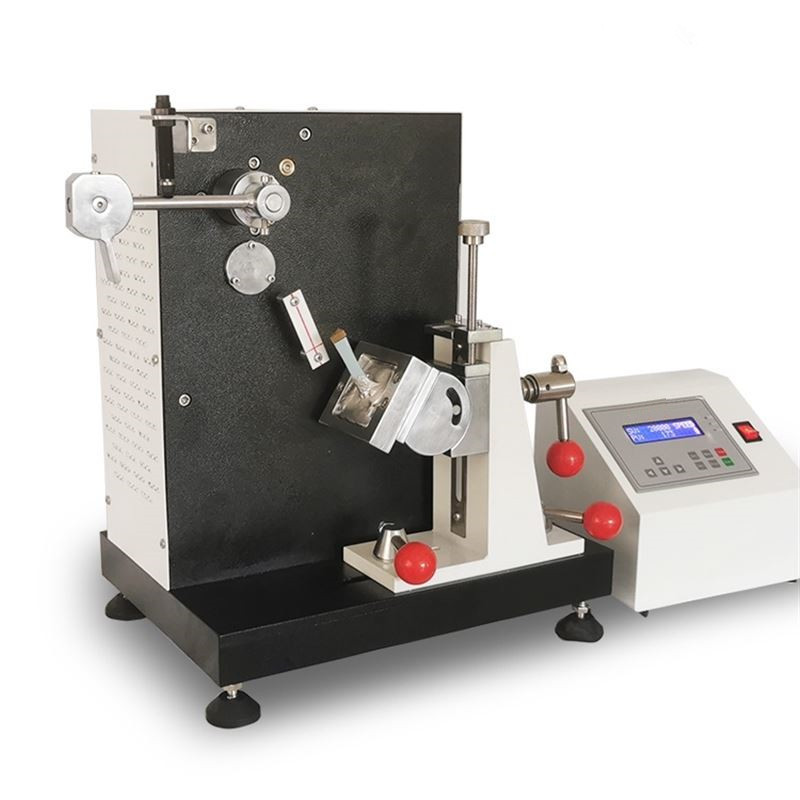


Standards:
Applications:
The tester is suitable for evaluating heel durability in:
(1) High-heeled shoes: Women’s fashion and formal heels.
(2) Mid-heeled footwear: Office shoes and casual heels.
(3) Low-heeled shoes with defined heel: Loafers, sandals, and booties.
(4) Children’s footwear with heels: School or formal shoes.
(5) Footwear R&D: Testing new heel materials, designs, and cushioning systems.
(6) Footwear quality control: Production inspection for heel fatigue performance.
Product Information:
The Shoe Heel Impact Fatigue Tester is designed to evaluate the resistance of footwear heels (high heels, mid-heels, and other styles) to repeated dynamic impacts, simulating real-world walking or running forces. It provides objective quantitative data on the heel’s durability, enabling manufacturers and researchers to optimize design, verify quality, and assess continuous stress tolerance.
Standards
(1) BS 5131 — British Standard for Footwear Heel Impact Test
(2) SATRA TM21 — Footwear Heel Impact Fatigue Testing
(3) EN ISO 20344 — Personal Protective Equipment — Footwear — Test Methods
(4) ASTM F1976 — Standard Test Method for Heel Impact Resistance
(5) GB/T 20991 — Test Methods for Personal Protective Equipment Shoes
Features
(1) Measures the resistance of footwear heels to repeated impacts and fatigue.
(2) Simulates real-world walking and running forces for realistic evaluation.
(3) Provides objective quantitative results, including number of cycles until heel failure.
(4) Applicable for various heel types, including high heels, mid-heels, and defined low heels.
(5) Supports quality control, R&D, and design optimization.
Technical Parameters
| Item | Specification |
|---|---|
| Impact Energy | 0.68 J/blow (typical, adjustable by model) |
| Shock Frequency | 60 blows per minute (adjustable) |
| Swing Arm Diameter | 12.5 mm (typical) |
| Punching Hammer | Diameter and thickness adjustable per model |
| Punch Edge | Specific size and shape per standard, material and hardness compliant |
| Power Supply | AC 220V, 50/60 Hz |
| Dimensions (W×D×H) | Approximately 500 × 400 × 600 mm |
| Weight (approx.) | 50 kg |
Accessories
(1) Punching hammer set
(2) Swing arm assembly
(3) Punch edge set
(4) Power cable
(5) User manual and calibration certificate
(6) Wrench for component adjustments
Test Procedures
(1) Secure the shoe heel in the test fixture with proper alignment.
(2) Select the appropriate punch edge and attach to the punching hammer.
(3) Adjust the swing arm and impact energy according to the heel type and standard.
(4) Set the shock frequency on the control system.
(5) Start the test and allow the device to apply repeated impacts until heel failure or preset cycle count.
(6) Record the number of impact cycles endured before heel damage occurs.
(7) Inspect the heel for cracks, deformation, or fracture after the test.
Maintenance
(1) Keep the tester clean and free from dust, debris, or water.
(2) Lubricate moving parts and the swing arm pivot points every 3 months.
(3) Inspect the punching hammer and punch edge for wear; replace if deformed.
(4) Periodically verify impact energy and frequency calibration.
(5) Check electrical connections and the control system for proper function.
(6) Store the device in a dry, stable environment to prevent corrosion.
