




Search keywords:
product name, product type, model number,
test method, manufacturer, technique, application
-
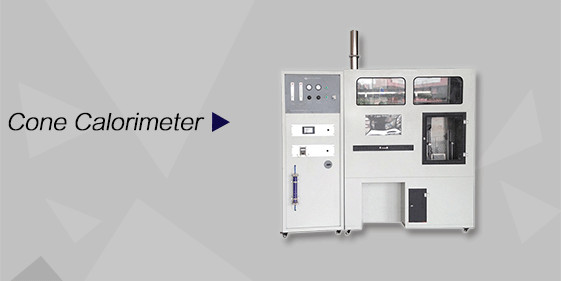
Cone Calorimeter
The import of American VTEC, cone calorimeter ultra high cost performance
more
-
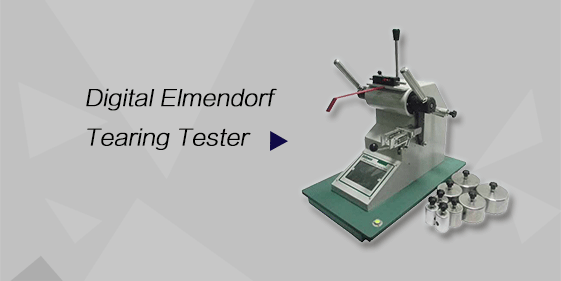
Digital Elmendorf Tearing Tester
Pendulum method test material tear strength, operating more simple, more accurate data
more
-

ZwickiLine Materials testing machines
Top of the world's leading universal material testing machine
more
Leather Rubbing Colorfastness Tester
BACK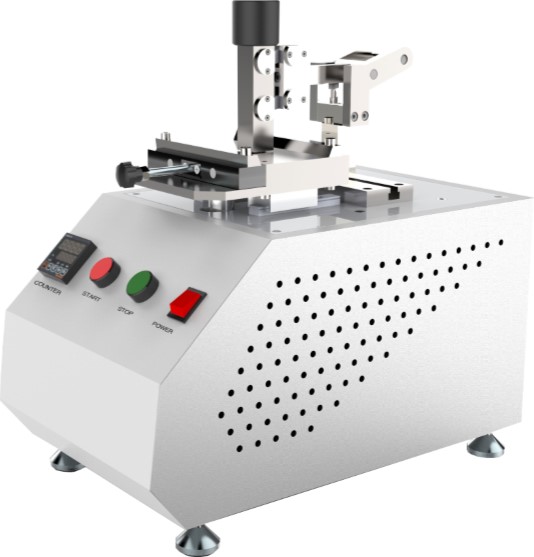


Standards:
Applications:
This instrument is used to test the rubbing fastness of leather surface under dry friction and wet friction as well as other test conditions.
Product Information:
In daily life, leather products, such as leather clothing, purses, leather shoes ,etc., produce friction with their own or human body and lead to color fading. This instrument is used to test the rubbing fastness of leather surface under dry friction and wet friction as well as other test conditions.
Basic principles:
the square wool felt on friction head (with or without extra balance weights) makes reciprocating friction with leather (stretched or not stretched) on the friction platform for reciprocating friction. After a certain number of friction times, compare the wool felt with gray card and rate the color fastness level.
Friction material:
White wool felt, size 15mm × 15mm. The punched pure wool felt piece should meet the following requirements: pH of water extract between 5.5 ~ 7.0; mass per unit area (1750 ± 100) g / m2. thickness (5.5 ± 0.5) mm.
Standarads:
ISO 11640 Leather -- Tests for colour fastness -- Colour fastness to cycles of to-and-fro rubbing.
SATRA PM 173 Reference standard of footwear testing content and methods.
QB/T 2537-2001 Leather -- Tests for colour fastness --Colour fastness to reciprocating rubbing.
DIN 4843 Safety Footwear; Safety Requirements, Testing
QB/T 2226 Shoelace wear test method, light industry standards.
GB/T 20991-7.3 Personal protective footwear test method.
Technical Parameters:
| Item | Specification |
|---|---|
| Test Bench | Horizontal metal platform; equipped with a holder for fastening leather to the platform, leaving approximately 80mm exposed; equipped with a device to extend the leather linearly by 10% to 20% in the rubbing direction (sample size: 120mm × 20mm) |
| Test Column | Weight: (500 ± 25)g; movable and firmly fixable, including:A) Test head area: 15mm × 15mmB) Device for adjusting the test head to ensure the felt pad contacts the test platform horizontallyC) Load bearing blocks: (500 ± 10)g; total mass of test column after loading: 1000gD) Adjustment device: adjusts the test column up and down to ensure horizontal contact between test head and sample |
| Reciprocating Motion Device | Drives the test bench for reciprocating motion; test head moves forward and backward with a stroke of 35mm–40mm at a frequency of (40 ± 2) cycles/min |
| Counter | LCD digital display; one round-trip counted as one cycle; test cycles can be set from 5 to 500 times |
| Horizontal Adjustment Device (Optional) | Allows adjustment of the test column in the horizontal direction; test head can rub leather samples at 2–3 different angles |
FAQ:
1. What is a Leather Rubbing Colorfastness Tester used for?
It is used to evaluate the color fastness of leather and coated materials against rubbing or friction.
2. Which materials can be tested?
It is suitable for testing natural leather, synthetic leather, coated fabrics, footwear materials, and other leather products.
3. What properties can the tester evaluate?
It can evaluate color transfer, surface fading, and durability of leather coatings after dry or wet rubbing.
4. Which standards does the Leather Rubbing Colorfastness Tester comply with?
It can be designed according to standards such as ISO 11640. SATRA TM 173. ASTM D5053. and related leather colorfastness test methods.
5. How does the Leather Rubbing Colorfastness Tester work?
A test sample is rubbed with a standard rubbing material under a specified pressure and cycle number, then the color change and staining are evaluated.
