




Search keywords:
product name, product type, model number,
test method, manufacturer, technique, application
-
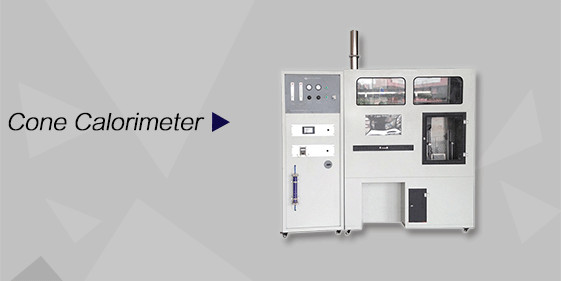
Cone Calorimeter
The import of American VTEC, cone calorimeter ultra high cost performance
more
-
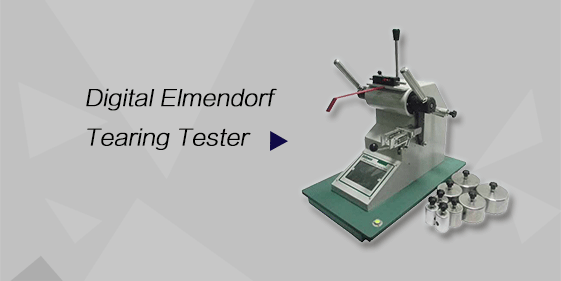
Digital Elmendorf Tearing Tester
Pendulum method test material tear strength, operating more simple, more accurate data
more
-
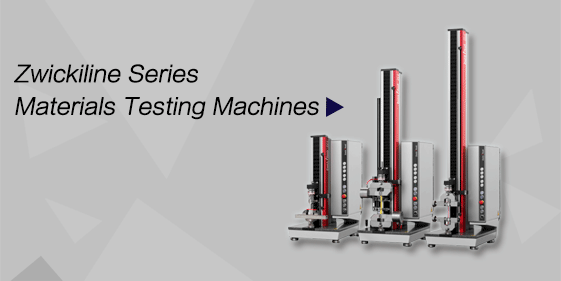
ZwickiLine Materials testing machines
Top of the world's leading universal material testing machine
more
MCD Metal Scratch Tester
BACK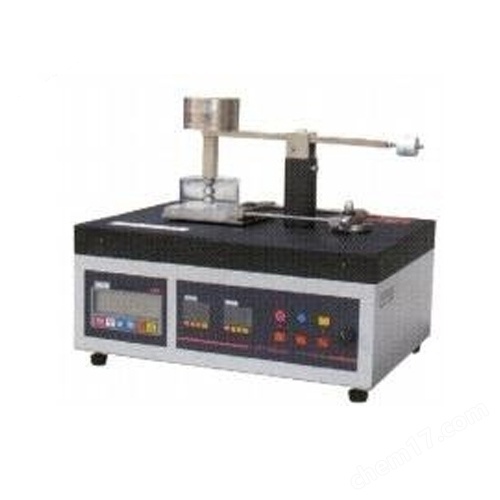


Standards:
(1) GB/T 23989-2009 – Determination of Scratch Resistance of Coatings (2) ISO 20808 – Metallic Materials – Coating Friction and Wear Testing (3) ISO 14577 – Metallic Materials – Instrumented Indentation Testing for Surface Mechanical Property Evaluation (4) ISO 6508 / ISO 6507 – Metallic Materials – Hardness Testing (5) ASTM G171 – Scratch Hardness of Materials (6) ASTM D7027 – Evaluation of Scratch Resistance of Polymer Coatings
Applications:
Primary applications:
Determining scratch resistance of metallic surfaces in dry or wet conditions
Evaluating coating performance and surface durability
Quantifying mechanical surface properties through frictional analysis
Typical tested products:
Metal coatings (painted, anodized, or plated)
Automotive and aerospace metal components
Industrial machinery metal parts
Laboratory metal samples for material research
Product Information:
The MCD Metal Scratch Tester is designed to quantify scratch resistance on metal surfaces, both dry and wet. It measures frictional force during scratching and converts the results into graphical data for precise analysis. Various compressive loads can be applied, allowing evaluation of the surface durability and mechanical properties of metals and coated materials. The instrument is suitable for laboratory research, quality control, and material development applications.
Parameters
| Parameter | Specification |
|---|---|
| Test Mode | Dry / Wet (optional) |
| Test Length | 10 mm |
| Maximum Load | 25 N |
| Dimensions (W×D×H) | 54 × 40 × 40 cm |
| Weight | 31 kg |
| Optional | Data acquisition software |
Features
Capable of testing both dry and wet metal surfaces for comprehensive scratch analysis.
Real-time measurement of frictional force converted into graphical output for precise evaluation.
Adjustable compressive load for testing coatings or bare metals under varying conditions.
Compact and stable design with desktop footprint suitable for laboratory or production environments.
Optional software for detailed data recording and analysis.
Accessories
(1) Standard scratch stylus
(2) Sample holders for metal plates
(3) Calibration weights
(4) Optional data acquisition software
Test Procedures
Sample Installation
Place the metal specimen securely in the sample holder. Ensure it is level and fixed.
Parameter Setup
Select test mode (dry or wet), load, and test length on the control system.
Execution
Initiate the scratch test. The stylus moves along the defined path while applying the chosen load. Frictional force is measured in real time.
Data Recording and Analysis
The system converts frictional data into a graphical curve. Optional software can be used for further analysis and documentation.
Maintenance Information
Clean stylus and sample surface after each test.
Inspect stylus for wear and replace as needed.
Periodically check load calibration for accuracy.
Keep the instrument free from dust and moisture to maintain performance.
Ensure software is up-to-date if used for data acquisition.
FAQ
1. What is the core advantage of this product?
It provides accurate quantification of scratch resistance with real-time friction data for both dry and wet metal surfaces.
2. Are the test results reliable?
Yes. The combination of controlled load application, precision stylus, and data acquisition ensures highly reproducible results.
3. Which international/industry standards does it comply with?
GB/T 23989-2009. ISO 20808. ISO 14577. ISO 6508/6507. ASTM G171. ASTM D7027.
4. Why is this product important?
It evaluates the durability and surface performance of metals and coated materials, helping manufacturers optimize quality and meet regulatory standards.
5. Which fields is this product suitable for?
Metal coating research and quality control
Automotive, aerospace, and industrial metal parts testing
Material science laboratories
Surface engineering and R&D departments
