




Search keywords:
product name, product type, model number,
test method, manufacturer, technique, application
-
Cone Calorimeter
The import of American VTEC, cone calorimeter ultra high cost performance
more
-
Digital Elmendorf Tearing Tester
Pendulum method test material tear strength, operating more simple, more accurate data
more
-
ZwickiLine Materials testing machines
Top of the world's leading universal material testing machine
more
Conveyor Belt Drum Friction Testing Machine
BACK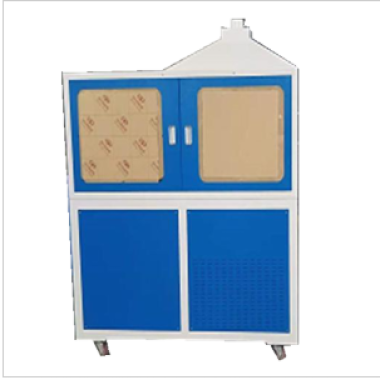


Standards:
Applications:
The conveyor belt drum friction testing machine has extensive application value in multiple fields. Its main purposes include:
Evaluating Conveyor Belt Performance
This equipment is mainly used to evaluate the performance of conveyor belts under drum friction conditions, especially their anti - friction, anti - wear, and flame - retardant properties. By simulating the friction conditions in actual working environments, it can test the durability and reliability of conveyor belts, providing data support for product optimization design.
Material Selection and R & D
During material research and development, the conveyor belt drum friction testing machine can be used to screen materials with excellent wear - resistance and anti - friction properties. By comparing the test results of different materials, it can provide a scientific basis for material selection and reduce product R & D costs.
Optimization Design
Based on the test results, the structure and materials of conveyor belts can be optimized to improve their service life and performance. At the same time, it can also provide improvement suggestions for drum design to reduce friction loss and energy consumption.
Scientific Research and Teaching
In the field of scientific research, the conveyor belt drum friction testing machine can be used for research on friction and wear mechanisms, material surface modification, etc. In teaching, this equipment can be used to cultivate students' practical abilities and scientific research qualities, improving the quality of teaching.
Product Information:
The Conveyor Belt Drum Friction Testing Machine is a specialized instrument designed to evaluate the flame resistance and friction-induced ignition performance of conveyor belts. It simulates real operating conditions by applying tension and friction between the belt sample and a rotating drum. The system monitors drum surface temperature and observes combustion behavior, ensuring that conveyor belts meet safety requirements for use in high-risk environments such as mining and industrial transport systems.
Standards
(1) MT 914-2008 (Solid woven flame-retardant conveyor belts for coal mining)
(2) GB/T 7986-1997 (Drum friction test method for conveyor belts)
(3) MT 450-1995 (Steel cord conveyor belt flame retardant and antistatic test method)
(4) MT 668-2008 (Steel cord flame-retardant conveyor belts for mining)
(5) MT 830-2008 (Fabric layered flame-retardant conveyor belts for mining)
Parameters
| Item | Specification |
|---|---|
| Drum Diameter | Φ210 ± 0.5 mm |
| Motor Power | 11 kW |
| Drum Speed | 200 ± 5 r/min |
| Blower Power | 220V, 25W |
| Tension Weight | 343 N per unit |
| Distance (Pipe to Drum) | 600 mm |
| Airflow Measurement | Handheld anemometer |
| Temperature Display | display |
| Perforated Pipe | Φ40 mm (inner), hole Φ6 mm, 21 holes, spacing 13 mm |
| Temperature Sensors | 3 units (2 spare) |
Features
(1) Simulates real friction conditions between conveyor belt and drum
(2) Accurate temperature monitoring with multiple sensors
(3) Evaluates both flaming and non-flaming combustion behavior
(4) Stable high-power drive system ensuring consistent rotation speed
(5) Suitable for multiple types of flame-retardant conveyor belts
(6) Reliable structure for industrial testing environments
(7) Complies with major national and industry standards
Maintenance Information
(1) Regularly check drum surface condition and cleanliness
(2) Calibrate temperature sensors to ensure accuracy
(3) Inspect motor and drive system for stable operation
(4) Maintain airflow system and blower performance
(5) Verify tension system and weights for correct loading
Conclusion
The Conveyor Belt Drum Friction Testing Machine provides a reliable method for evaluating the fire safety performance of conveyor belts under friction conditions. It ensures compliance with strict industry standards and enhances product safety for applications in mining and industrial transport systems.
FAQ
1. What is a Conveyor Belt Drum Friction Testing Machine?
This machine is used to measure the frictional properties between conveyor belts and drive or idler drums, ensuring optimal traction, safety, and efficiency in material handling systems.
2. How does the friction test work?
The tester rotates the drum against a conveyor belt sample under controlled tension and load. The friction force is measured, and the coefficient of friction is calculated under varying conditions such as speed, load, and surface moisture.
3. What types of conveyor belts can be tested?
It can test rubber, PVC, PU, fabric-reinforced, or composite conveyor belts used in mining, industrial, and logistics applications.
4. What parameters are measured during testing?
The machine measures friction coefficient, slip, traction, wear rate, and sometimes drum surface temperature. Advanced models provide real-time data logging and graphical analysis.
5. Why is conveyor belt drum friction testing important?
Testing ensures proper grip between belts and drums, preventing slippage, excessive wear, and energy loss. It helps engineers optimize belt selection, drum design, and maintenance schedules for reliable material handling.
