




Search keywords:
product name, product type, model number,
test method, manufacturer, technique, application
-
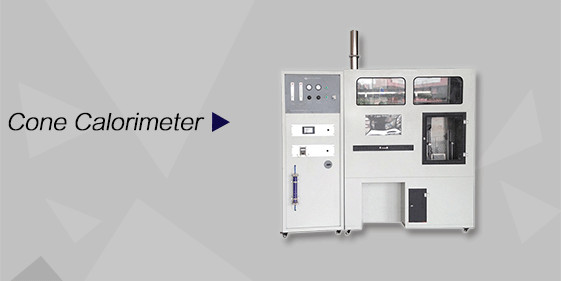
Cone Calorimeter
The import of American VTEC, cone calorimeter ultra high cost performance
more
-
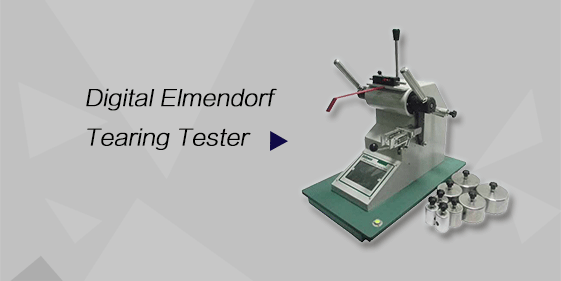
Digital Elmendorf Tearing Tester
Pendulum method test material tear strength, operating more simple, more accurate data
more
-
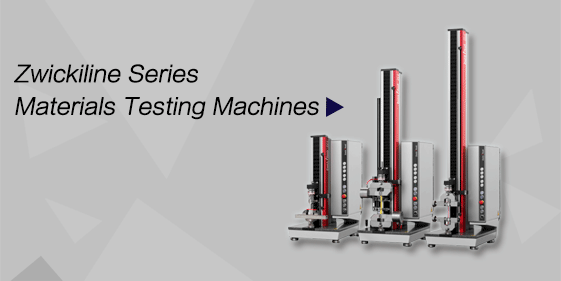
ZwickiLine Materials testing machines
Top of the world's leading universal material testing machine
more
Anti-glare Panel Falling Weight Tester
BACK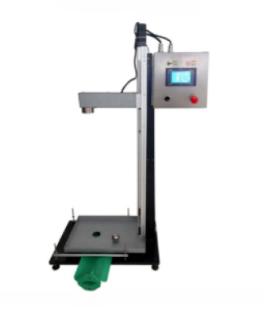


Standards:
Applications:
The anti-glare board impact testing machine is designed and produced for each testing unit to measure the impact resistance of the anti-glare board, which is suitable for plastics, plastic products ceramics, glass fiber, tempered glass and other materials and test the hardness of coatings.
Product Information:
The falling weight impact testing machine is suitable for determining the external impact resistance of various pipes (PVC-U water supply pipes, sewage pipes, low-pressure water supply pipes, low-pressure water transmission pipes, core-foamed pipes, double-wall corrugated pipes, and P water supply pipes) and sheets, and is also suitable for rigid plastic sheets.
Standard
GB/T24718-2023: Anti-glare board
GB/T 24718-2009: Anti-glare board
JTG/T D33-2012: Specifications for Drainage Design of Highway
Features
With a sample holding device, to prevent inaccurate results caused by random sample projectiles;
With protective protection plate, to prevent the ball from secondary collision with the sample and the ball bounce injury;
Double overshoot protection, the overshoot motor automatically stops, need to be manually lifted to prevent damage to the instrument and protect the user;
Program with automatic memory function, power off or unplug, is still the memory setting before power off;
Motor with holding brake function, the arm will not slide down in the case of power failure;
Laser rangefinder ranging, ranging accuracy;
Two modes of operation, namely automatic and manual two ways;
Low-voltage components such as: brand buttons, relays, AC contactors, etc., stable performance, safe and reliable;
Easy to install, easy to operate, long service life.
Parameters
| Specification | Details |
|---|---|
| Electromagnet suction | 50kg |
| Steel ball weight | 1kg ± 10g |
| Steel ball diameter | 63mm |
| Cantilever extension length | 350mm (310mm from the center of the ball) |
| Cantilever lifting stroke | 300mm (i.e., impact height adjustable from 900-1200mm) |
| Laser sensor measurement accuracy | 1mm |
| Laser sensor error | 5 parts per thousand |
| Laser spot size | 0.5-1mm |
| Anti-secondary impact partition diameter | 65mm |
| Anti-secondary impact partition height | Adjustable from 20-110mm |
| Weight | 130kg |
Accessoriess
1. One host
2. 1 standard iron ball
3. One national standard power cable
4. Product packing list 1 copy
5. 1 copy of product manual
6. One copy of product certificate
Test Procedures
1. Data Editing: After the test, the impact damage quality and corresponding data can be automatically calculated and displayed by the computer.
2. Curve Plotting: After the test, the test results of all samples can be automatically plotted and marked on the chart for clear and intuitive visualization.
3. The drop hammer impact testing machine involves inserting the hammer rod through the sliding sleeve under the hammer base and placing the selected weight on the hammer rod, then tightening the nut.
4. Observe the status of the red indicator light on the left photoelectric switch of the drop hammer impact testing machine: If the light is off, it means the sample is too high and light cannot pass through; if the light is on, it means the sample is low and light can pass through. Adjust the lifting handwheel so that the upper generatrix of the sample and the center of the photocell are on the same horizontal plane. Determine the zero point of the height: Use the slow descent and slow ascent buttons to make the hammer head just touch the sample, and set the height display to zero.
5. Close the safety net and door, press the fast ascent button, the scale indicates the lifting height, and press the stop button after reaching the predetermined height.
6. Impact: First press the pre-drop hammer button to illuminate the indicator light on this button, then press the drop hammer button, the hammer body falls and impacts the sample. Note: If the indicator light on the pre-drop hammer button does not light up, it means the sample is too high and the sample height needs to be readjusted. Pre-drop hammer button: Press this button to enter the pre-drop hammer state (after the sample is installed). Press the drop hammer button, and the hammer body will fall immediately. Pressing other buttons will release the drop hammer state.
7. When the hammer body impacts the sample and the sample is not broken, causing the hammer body to rebound, the photoelectric signal controls the hammer-holding mechanism to quickly clamp (catch) the rebounding hammer body, achieving the purpose of preventing secondary impact.
8. Press the fast descent button, the pin on the hammer base is inserted into the solenoid valve seat, and the micro switch is pressed, stopping the descent.
9. Following step 2. remove the sample, then insert a new sample, and repeat steps 3-9. Some adjustments and checks can be performed during the process. Then, shut down: Turn off the power switch of the electrical control box and the main power supply.
FAQ
1. What is an Anti-glare Panel Falling Weight Tester?
The Anti-glare Panel Falling Weight Tester is a device designed to evaluate the impact resistance of anti-glare panels, screen covers, or protective coatings by simulating accidental drops or strikes using a controlled falling weight.
2. How does the machine test panels?
The tester drops a weight from adjustable heights onto the panel surface, simulating real-life impacts. The force, weight, and drop height can be precisely controlled to assess the panel’s durability and resistance to cracking, chipping, or deformation.
3. What types of panels can be tested?
It can test anti-glare screens, tempered glass panels, plastic covers, display protectors, and other flat panel materials used in electronics, automotive, and architectural applications.
4. What parameters are measured during testing?
The machine measures impact resistance, surface deformation, cracking, and breakage thresholds. Advanced models may also log impact energy and record damage visually for analysis.
5. Why is falling weight testing important for anti-glare panels?
This testing ensures that panels can withstand accidental impacts during handling, installation, or daily use. It helps manufacturers improve product quality, ensure safety, and reduce warranty claims.
