





BS 5852 Combustion Tester
2025/12/02
Share:

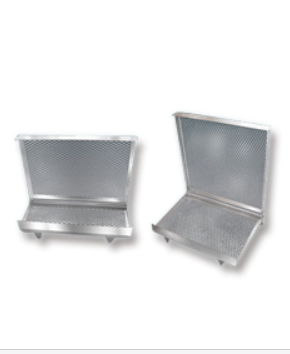
The BS 5852 Combustion Tester is primarily used to evaluate the flammability of upholstered furniture materials. This device complies with BS 5852. UK Regulation, and other standards. It uses a standard foam and the fabric to be tested to cover the test kit, and a standard ignition device is used to ignite and monitor the combustion process. Its configuration includes a full stainless steel test frame, a heat-resistant wire mesh structure, and a stainless steel ignition tube, ensuring the accuracy and safety of the test. This device is widely used in Europe and the United States for determining the flame retardancy of upholstered furniture.
Test Methods
The BS5852 flammability test serves as a fundamental standard for evaluating the flame-retardant characteristics of textiles and associated materials. It encompasses several specific test methods, outlined as follows:
-
Vertical Burning Test: In this test, the product sample under examination is vertically secured within a specialized testing apparatus as per standard specifications. A designated ignition source is employed to ignite the bottom of the sample at a fixed point. Following strict control of the ignition duration, the ignition source is withdrawn. The maximum height attained by the flame as it propagates across the sample's surface is observed and documented. Additionally, crucial data such as the time taken for the flame to extinguish and the burning condition of any sample drips are recorded. This information is used to evaluate the material's flame-retardant capacity in the vertical orientation.
-
Surface Burning Test: This particular test concentrates on the material surface's responsiveness to an ignition source. By incrementally modifying the distance between the ignition source and the product sample's surface, in conjunction with the ignition time stipulated in the standard, the minimum distance of the ignition source required to ignite the sample surface is precisely ascertained. This directly indicates the flame-retardant performance of the material surface at varying distances from the ignition source.
-
Fire Resistance Time and Temperature Test: This test replicates the material's application scenario under high-temperature conditions. Unignited product samples are positioned inside a constant-temperature testing device. The duration required for notable alterations in mechanical properties (such as strength and toughness), color changes (including fading and discoloration), and appearance (like deformation, melting, and cracking) to manifest under sustained high-temperature exposure is measured. This assessment helps determine the material's fire-resistance stability and operational lifespan in high-temperature environments.
-
Specific Ignition Source Test: Targeted tests are carried out on commonly utilized materials, such as seat covers and fillings, employing ignition sources that mirror potential everyday fire hazards. These include smoldering cigarettes (to simulate smoldering), butane flames of a specified intensity (to mimic rapid open-flame combustion), and standard-sized burning wooden blocks (to represent solid combustible combustion). By emulating real-world fire risks, a comprehensive evaluation of the materials' flame-retardant effectiveness and combustion propagation traits under different specific ignition sources is conducted.
Impact on Consumer Choices
As consumers become increasingly aware of home safety, they are paying more and more attention to the fire resistance of upholstered furniture. The BS 5852 flammability testing device provides consumers with a scientific and objective reference, helping them make more informed decisions when choosing upholstered furniture.
When purchasing upholstered furniture, consumers can check the product's test report to understand whether the product has undergone BS 5852 flammability testing and whether the test results meet relevant standards. If the product passes the test and receives a good evaluation, consumers can purchase and use it with greater confidence. Furthermore, some brands also promote the fire resistance of their products as a key selling point, emphasizing that the products have undergone rigorous BS 5852 flammability testing to attract consumer attention and purchases.
Application Areas
Safety Protection in Public Places
In public places, the fire resistance of upholstered furniture directly impacts the safety of people's lives and property. The BS 5852 flammability testing device provides strong technical support for the fire safety of upholstered furniture in public places. By testing the flammability of upholstered furniture such as mattresses and sofas in hotel rooms, seating in shopping mall rest areas, and theater seating cushions, products that meet fire safety standards can be selected. This ensures that these products will not burn and spread rapidly when exposed to a fire source, buying valuable time for evacuation and firefighting.
For example, in large shopping malls, where people are densely packed, a fire could spread rapidly with unimaginable consequences. If the upholstered furniture used in the mall has undergone rigorous testing with the BS 5852 flammability testing device and possesses good fire resistance, the spread of fire can be slowed to a certain extent, reducing the damage caused by the fire. At the same time, these tested upholstered furniture pieces will produce relatively less smoke and toxic gases during combustion, which is beneficial to protecting people's lives.
Contribution to Environmental Protection and Sustainable Development
While pursuing fire resistance, the upholstered furniture industry is also increasingly focusing on environmental protection and sustainable development. The BS 5852 flammability testing device, in assessing the fire resistance of upholstered furniture, can also contribute to environmental protection and sustainable development.
On the one hand, this device can encourage upholstered furniture manufacturers to adopt more environmentally friendly and sustainable materials and processes. For example, some new flame-retardant materials not only have excellent fire resistance but also have a smaller environmental impact. Through testing and evaluation using the BS 5852 combustion test device, these environmentally friendly flame-retardant materials can be more widely used, driving the upholstered furniture industry towards a greener and more environmentally friendly direction.
On the other hand, this device can also help companies optimize product design and manufacturing processes, improve product quality and performance, and extend product lifespan. It reduces replacements and waste due to product quality issues, thereby reducing environmental pressure and achieving sustainable development for the upholstered furniture industry.
Maintenance and Care
Maintenance and care of the combustion testing machine are crucial for its normal operation and service life. The following are some key points to note:
1. Cleaning and Maintenance: Regularly clean the external and internal components of the testing machine, including the combustion chamber, thermocouples, and gas pipelines. Keep the equipment clean to prevent dust and debris from affecting test results.
2. Power and Gas Supply Check: Ensure the power and gas supply to the testing machine are normal, and regularly check the power cord and gas pipelines for damage. Replace any damaged or aged components promptly.
3. Thermocouple Check: Thermocouples are important components of the testing machine, used to measure temperature. Regularly check the thermocouple connections for tightness and for any looseness or damage. Replace any abnormalities promptly.
4. Gas Supply Check: Ensure the gas supply to the testing machine is stable, and that the flow rate and pressure meet requirements. Regularly check the gas pipelines for leaks and repair any leaks promptly.
5. Combustion Chamber Check: The combustion chamber is the core component of the testing machine, used to simulate the sample combustion process. 6. Regularly check the combustion chamber for cleanliness and the presence of carbon deposits or debris. Clean promptly if necessary.
7. Check the control system: The control system of the combustion test machine is crucial for ensuring test accuracy. Regularly check the circuit boards, sensors, and other components of the control system for proper functioning and damage. Repair or replace any abnormalities promptly.
8. Regular calibration: To ensure the accuracy of test results, it is recommended to calibrate the test machine regularly. Calibration should be performed according to the calibration methods provided by the manufacturer to ensure the accuracy of the calibration results.
9. Record and maintain a maintenance log: Establish and maintain a maintenance log for the test machine, recording the details of each maintenance and inspection. This helps track the equipment's maintenance history and identify potential problems promptly.
In summary, the BS 5852 combustion test and its dedicated testing instruments, as the core support for fire safety assessment in key areas such as upholstered furniture, construct a complete system from scientific testing to safety assurance. From diverse testing methods such as vertical burning and surface burning to precisely quantify flame-retardant performance, to its wide-ranging applications covering public safety, guiding consumer choices, and contributing to the industry's environmentally sustainable development, and to its long-term accurate operation relying on standardized maintenance, this system consistently safeguards the safety of the entire production and usage chain with rigorous technical logic. In today's world where fire safety is increasingly valued, the BS 5852 combustion test instrument is not only an "inspector" of material flame-retardant performance but also a crucial cornerstone for promoting industry safety standards upgrades and protecting public life and property, continuously injecting reliable momentum into the safe development of related fields.
Previous: FAQs About UV Aging Test Chamber
N e x t : How to test for formaldehyde?
