



Search keywords:
product name, product type, model number,
test method, manufacturer, technique, application
-
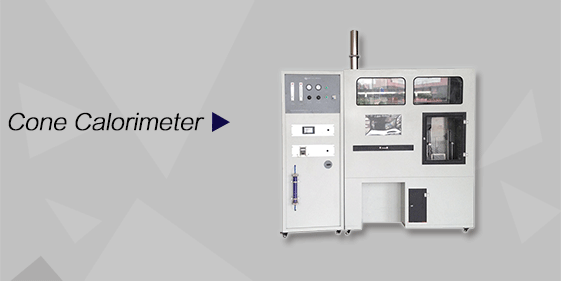
Cone Calorimeter
The import of American VTEC, cone calorimeter ultra high cost performance
more
-
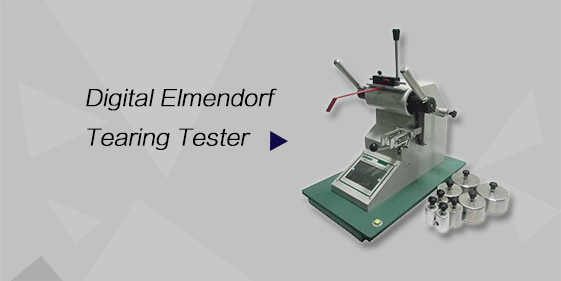
Digital Elmendorf Tearing Tester
Pendulum method test material tear strength, operating more simple, more accurate data
more
-
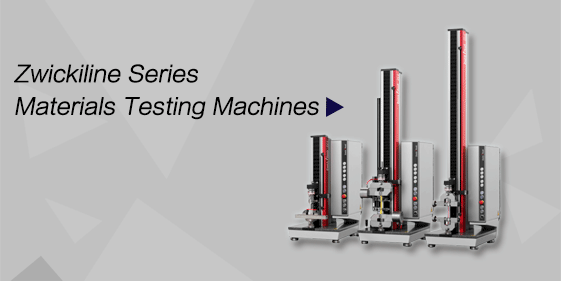
ZwickiLine Materials testing machines
Top of the world's leading universal material testing machine
more
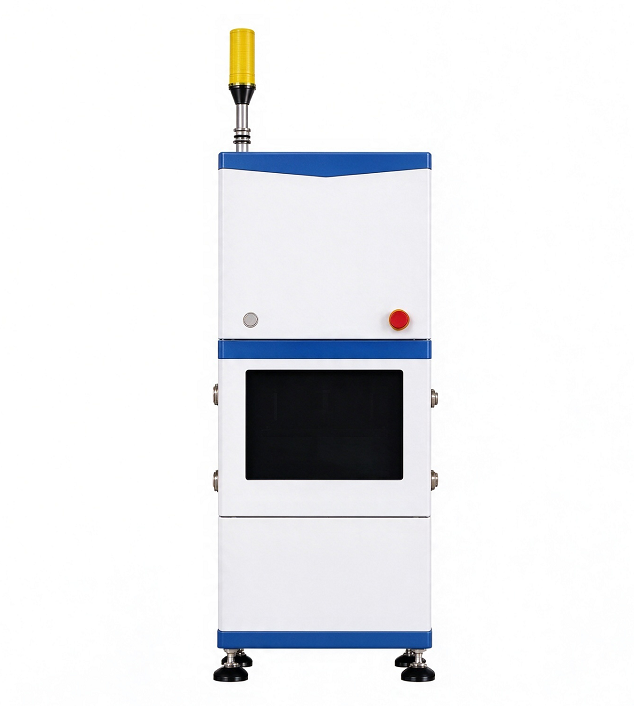
In situ expansion analysis system
BACK

Standards:
Applications:
(1) In-situ expansion and swelling analysis of lithium-ion pouch, prismatic, and coin cells during charge/discharge cycles.
(2) Dimensional change monitoring of solid-state batteries and solid electrolytes under electrochemical loading.
(3) Thermal expansion and contraction testing under wide temperature ranges for battery reliability studies.
(4) Pressure-coupled expansion analysis for pouch cell fatigue and mechanical stability evaluation.
(5) Correlation analysis between expansion, voltage, cycle life, and degradation mechanisms.
(6) Abuse and reliability testing including overcharge, fast charging, and thermal stress conditions.
Product Information:
The In-situ Expansion Analysis System is designed for high-precision measurement of dimensional and volumetric changes in electrochemical cells and related materials during charge/discharge, storage, and abuse testing. The system enables real-time, non-destructive monitoring of cell expansion behavior under controlled temperature, pressure, and environmental conditions. It is widely used in lithium-ion, solid-state battery R&D, safety evaluation, and reliability testing.
System overview
The in situ expansion analysis system is usually equipped with high-precision control system and multiple thickness sensors, and is driven by servo motor to realize in-situ and non-destructive monitoring of the battery cell during charging and discharging. The system can simulate the charge and discharge cycle of the battery cell in the actual use scenario, and simultaneously monitor various electrical performance parameters and expansion performance parameters of the battery cell.
Parameters
| Parameter | Specification |
|---|---|
| Displacement Range | ±500 μm (linear), ±1° (angular) |
| Measurement Accuracy | ±0.1 μm (linear), ±0.01° (angular) |
| Resolution | 0.01 μm |
| Temperature Range | –40°C to 200°C |
| Temperature Ramp Rate | Up to 1°C/min |
| Pressure Range | 0–50 bar (dynamic loading) |
| Channel Capacity | Up to 8 channels |
| Data Acquisition Rate | 10.000 points/s per channel |
| Power Supply | 100–240 V AC, 50/60 Hz |
| Dimensions (W×D×H) | 800 × 600 × 1200 mm |
| Weight | 220 kg (net) / 280 kg (gross) |
How it works
The working principle of the in situ expansion analysis system is based on high precision measurement technology and data processing algorithm. In the charging and discharging process, the system monitors the expansion thickness of the battery cell in real time through the thickness sensor, and accurately measures the expansion force of the battery cell through the control system. At the same time, the system can also record the voltage, current and other electrical performance parameters of the battery cell during the charging and discharging process for subsequent data analysis and processing.
Core functions
In-situ monitoring: The system can realize in-situ monitoring of the battery cell during charging and discharging without disassembling the battery cell or destroying its structure.
High-precision measurement: The system is equipped with high-precision thickness sensor and control system, which can accurately measure the expansion thickness and expansion force of the battery cell.
Multiple test modes: The system supports a variety of test modes such as constant pressure, constant gap, compression, etc., to meet the test needs of different cells.
Synchronous data recording: The system can record all kinds of parameters in the charging and discharging process, including voltage, current, expansion thickness, expansion force, etc
Data analysis and processing: The system provides data analysis and processing functions, and can automatically generate test reports to help users better understand the expansion behavior of the battery cell.
Application scenario
In situ expansion analysis system is widely used in battery research and development, material evaluation, cell structure evaluation and other fields. In the process of battery development, the system can help developers evaluate the expansion behavior of different materials and different structures, optimize the cell design, and improve the performance and safety of the battery. At the same time, the system can also be used to evaluate the performance stability of the battery cell under specific working conditions, and provide strong support for the production and use of the battery.
Standards
(1) ASTM E83 – Standard Test Method for Verification of Linear Displacement Measuring Systems.
(2) ISO 12417-1 – Mechanical Testing of Metals – Dilation Test.
(3) IEC 62660-2 – Secondary lithium-ion cells for propulsion of electric road vehicles – Reliability and abuse testing.
(4) DIN 51221 – Testing of adhesives – Determination of tensile shear strength (dimensional deformation reference).
(5) CE Certification – Conformité Européenne.
FAQ
1. What is an In-Situ Expansion Analysis System used for?
It monitors and analyzes the dimensional changes or expansion of materials under real-time operating conditions.
2. How does the system operate?
Sensors or imaging devices measure expansion continuously while the sample is exposed to temperature, pressure, chemical, or mechanical stimuli.
3. What types of materials can be tested?
Polymers, composites, metals, ceramics, and other materials where thermal, chemical, or mechanical expansion behavior is critical.
4. How is test data recorded and analyzed?
Expansion data, strain, and dimensional changes are captured digitally, displayed on the interface, and can be exported for further analysis.
5. What maintenance is required for the system?
Regular cleaning of sensors and sample holders, calibration checks, inspection of mechanical and electronic components, and periodic software updates.