



Search keywords:
product name, product type, model number,
test method, manufacturer, technique, application
-
Cone Calorimeter
The import of American VTEC, cone calorimeter ultra high cost performance
more
-
Digital Elmendorf Tearing Tester
Pendulum method test material tear strength, operating more simple, more accurate data
more
-
ZwickiLine Materials testing machines
Top of the world's leading universal material testing machine
more
Mechanical Property Testing Machine for Metallic Cables and Wire Ropes
BACK

Standards:
Applications:
Product Information:
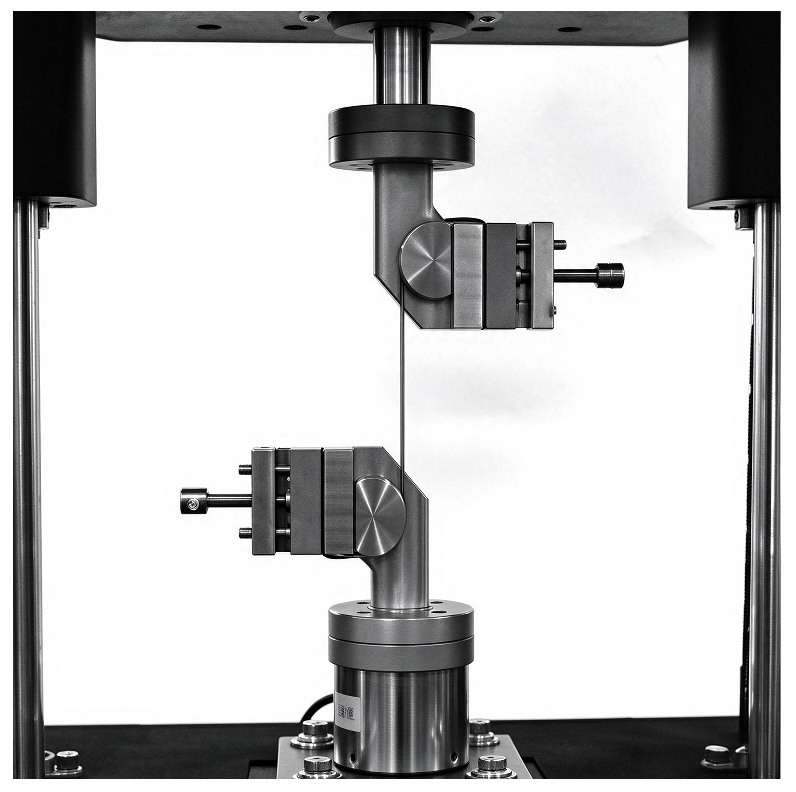
The Metallic Cables and Wire Ropes Mechanical Property Testing Machine is a specialized testing device designed to evaluate the mechanical performance of metal cables and wire ropes. It measures properties such as tensile strength, elongation, breaking load, fatigue resistance, and bending behavior under controlled conditions. Widely used in industries like construction, shipping, elevators, and cranes, this machine ensures that cables and ropes meet safety standards and performance requirements before deployment. It provides precise, repeatable results for quality control, research, and certification purposes.
- Evaluating material properties: Evaluate the mechanical properties of metallic cables and wire ropes, such as tensile strength and yield strength, through tests like tension and compression.
- Fatigue performance testing: Simulate the repeated loading conditions in actual use to assess the fatigue life and durability of metallic cables and wire ropes.
- Creep performance testing: Under constant long
- term loading, test the creep deformation of metallic cables and wire ropes to evaluate their long - term stability.
- Quality control: During the production process, conductmance tests on metallic cables and wire ropes to ensure they meet production standards and product specification requirements.
Standard
(1)YY/T 0812-2010 (China): Specifies mechanical testing protocols for metal cables/cables used in fracture fixation, including fatigue strength and load-to-failure requirements.
(2)ASTM F2180-19 (International): Defines methodologies for evaluating the dynamic fatigue performance of orthopedic cable systems under cyclic loading.
(3)ISO 12177-3: Additional compliance for tension-tension fatigue testing of surgical cables.
Technical Parameters
| Parameter | Specification |
|---|---|
| Max. Tensile Load | ±10.000 N (0.01 N resolution) |
| Max. Torsional Moment | ±5 Nm (0.001 Nm resolution) |
| Frequency Range | 0.1–30 Hz (0.01 Hz increments) |
| Load Ratio (R) | 0.1–10 (adjustable) |
| Cable Diameter Range | 1.0–5.0 mm (0.01 mm resolution) |
| Saline Bath Temperature | 37±0.5°C (PT1000 sensor) |
| Data Sampling Rate | 10 kHz (synchronized across 8 channels) |
| Power Requirements | 220V/110V ±10%, 50/60Hz, 1.800W |
| Dimensions (W×D×H) | 600 × 500 × 800 mm |
| Weight | 90 kg (net) / 105 kg (with bath) |
| Noise Level | <55 dB (A-weighted) |
FAQ
1.What is the main function of this machine?
It measures mechanical properties of metallic cables and wire ropes, including tensile strength, elongation, breaking load, and fatigue resistance.
2.What types of tests can it perform?
The machine supports tensile, elongation, bending, breaking, and cyclic fatigue tests for various wire diameters and rope constructions.
3.What materials are compatible with this tester?
It is suitable for steel, stainless steel, galvanized, and alloy cables, as well as multi-strand wire ropes used in industrial applications.
4.How is data recorded and analyzed?
The machine uses integrated sensors and software to record load, elongation, and stress-strain curves, allowing real-time monitoring and detailed post-test analysis.
5.What safety precautions should be observed during testing?
Always secure the specimen properly, keep hands clear of moving parts, wear protective equipment, and ensure emergency stop mechanisms are functional before starting tests.