




Search keywords:
product name, product type, model number,
test method, manufacturer, technique, application
-
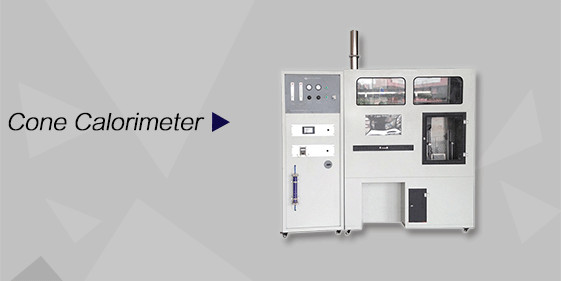
Cone Calorimeter
The import of American VTEC, cone calorimeter ultra high cost performance
more
-
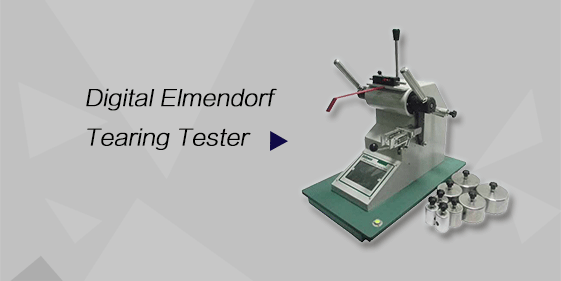
Digital Elmendorf Tearing Tester
Pendulum method test material tear strength, operating more simple, more accurate data
more
-
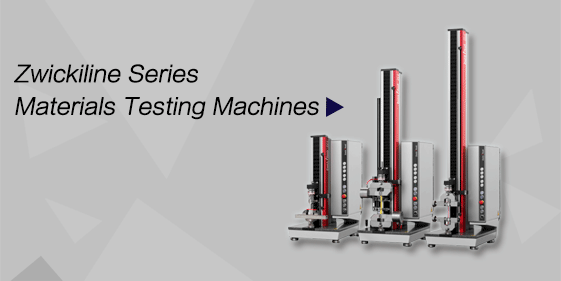
ZwickiLine Materials testing machines
Top of the world's leading universal material testing machine
more
Wire Torsion and Winding Tester
BACK

Standards:
Applications:
Product Information:
The Wire Torsion and Winding Tester is a versatile instrument designed to perform both torsion and winding tests on metal wires. It evaluates the mechanical properties, formability, and ductility of wires, providing essential data for quality control, research, and production optimization. This tester is widely used in aerospace, metal material processing, tire manufacturing, as well as in universities, scientific research institutions, technical supervision, and quality inspection departments.
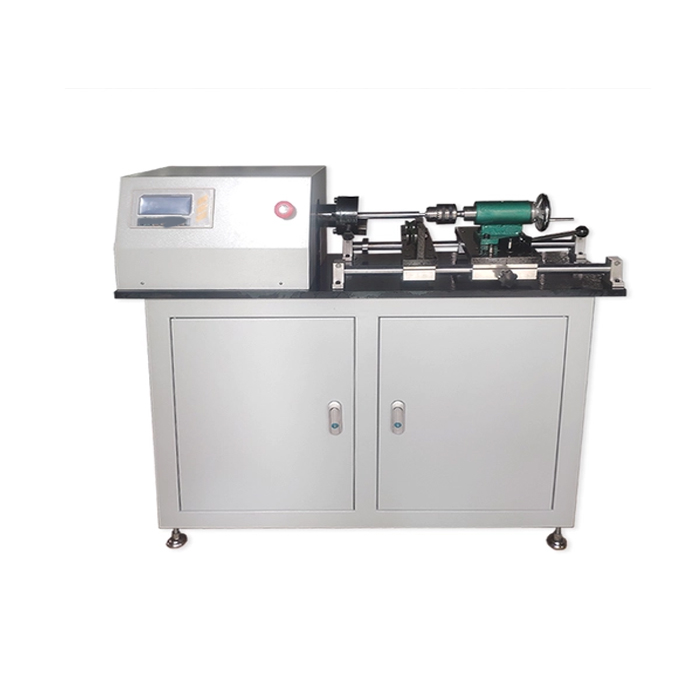
Application
(1) Torsion and winding performance testing of metal wires.
(2) Evaluating wire formability, elasticity, and torsional resistance.
(3) Quality control in wire production and processing.
(4) Research and development of aerospace wires, steel wires, and conductive wires.
(5) Testing wires used in automotive, construction, and industrial equipment.
(6) Laboratory experiments and materials research in universities and technical institutes.
Standards
(1) GB/T 2611-2007 – Testing Machine General Technical Requirements.
(2) ISO 7800:1984 – Test Method for Unidirectional Torsion of Metal Wires.
(3) ISO 9649:1990 – Test Method for Bidirectional Torsion of Metal Wires.
(4) GB/T 3428-2002 – Zinc-Coated Steel Wire for Overhead Stranded Wire: Winding Test – Torsion Test.
(5) GB/T 239-1999 – Torsion Test of Metal Wire.
(6) GB/T 2979-2020 – Metal Materials Wire Winding Test Method.
(7) ASTM and JIS standards related to torsion and winding testing of metallic materials.
Features
(1) Dual functionality: performs both torsion and winding tests on a single machine.
(2) Provides comprehensive evaluation of wire mechanical properties.
(3) Compliant with multiple national and international standards.
(4) Streamlined testing process, improving efficiency compared to separate machines.
(5) Controlled testing parameters for repeatable and reliable results.
(6) Supports quality assurance in production and R&D applications.
(7) Adjustable sample setup to accommodate various wire diameters and lengths.
Parameters
| Parameter | Specification |
|---|---|
| Torsion sample size | Diameter 1–10 mm |
| Winding sample size | Diameter 1–6 mm |
| Distance between two plus heads | 0–500 mm, adjustable |
| Twisting/Winding speed | 0–2.0 r/s, adjustable, error <±10% |
| Power supply | AC 220V ±10%, 50 Hz |
Accessories
(1) Main testing machine
(2) Sample holders for torsion and winding tests
(3) Adjustable clamps and positioning rods
(4) Power cable
(5) User manual
Test Procedures
(1) Secure the wire sample in the torsion or winding fixture.
(2) Adjust the distance between the two heads according to the sample length.
(3) Set the desired twisting or winding speed.
(4) Start the machine to perform torsion or winding cycles.
(5) Observe the wire performance during testing.
(6) Record results and repeat for additional samples if necessary.
Maintenance Information
(1) Regularly inspect clamps, heads, and moving parts for wear or damage.
(2) Ensure the machine is clean and free from debris.
(3) Check power supply and electrical connections for stability.
(4) Lubricate moving components according to manufacturer recommendations.
(5) Handle the sample fixtures and torsion/winding heads carefully to avoid misalignment.
(6) Calibrate the machine periodically to maintain measurement accuracy.
