




Search keywords:
product name, product type, model number,
test method, manufacturer, technique, application
-
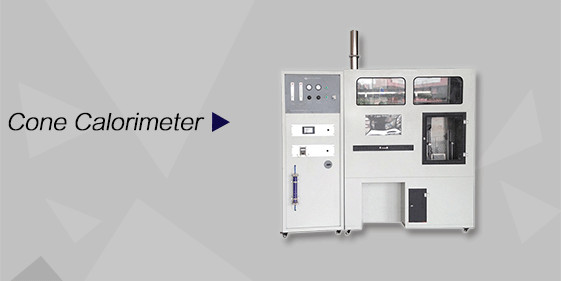
Cone Calorimeter
The import of American VTEC, cone calorimeter ultra high cost performance
more
-
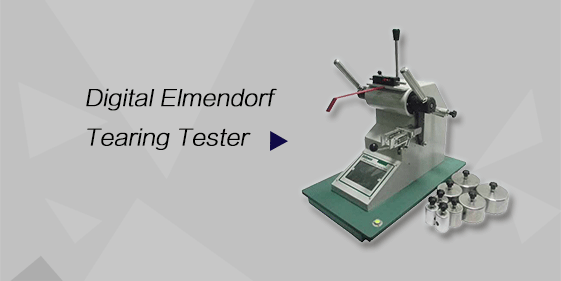
Digital Elmendorf Tearing Tester
Pendulum method test material tear strength, operating more simple, more accurate data
more
-
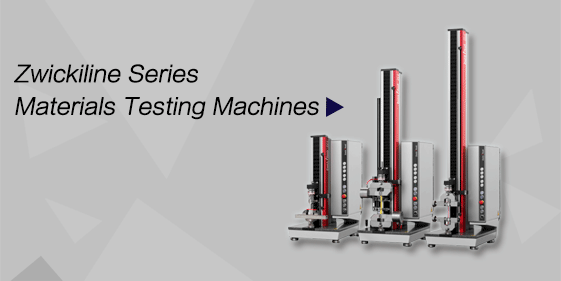
ZwickiLine Materials testing machines
Top of the world's leading universal material testing machine
more
Battery impact tester
BACK

Standards:
Applications:
Product Information:
The Battery Impact Tester is designed for safety performance evaluation of lithium-ion cells and battery packs by simulating heavy object impact conditions.
The tester reproduces extreme mechanical abuse by allowing a specified mass to fall freely from a defined height and strike the battery sample through a metal bar, thereby assessing battery resistance to impact and the risk of fire, explosion, or leakage.
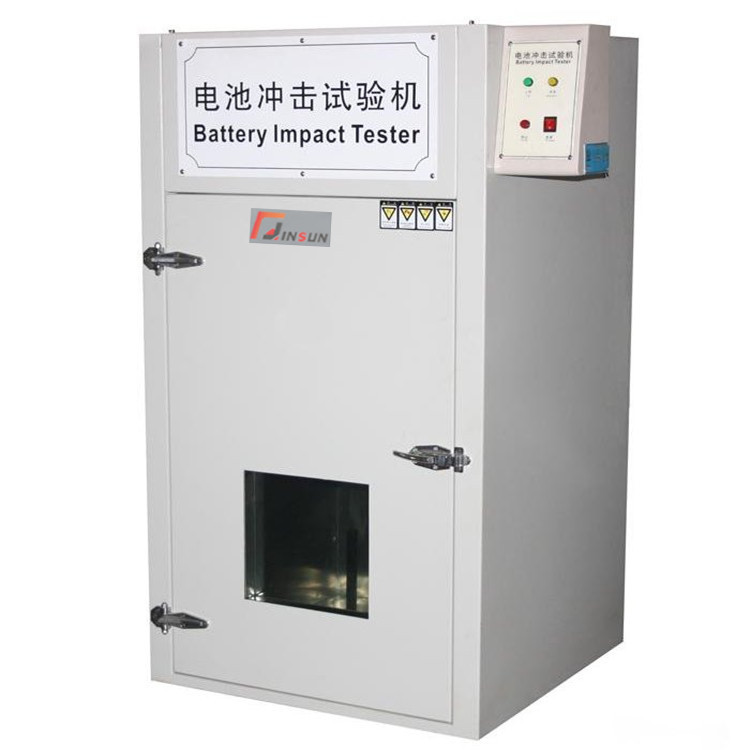
The system is equipped with a reinforced explosion-proof test chamber, motorized lifting mechanism, and automatic control system, making it suitable for laboratory certification testing and production safety verification.
Application
(1) Cylindrical lithium-ion cells (e.g., 18650, 21700)
(2) Prismatic lithium-ion batteries
(3) Pouch (polymer) lithium batteries
(4) Button and coin cells
(5) Lithium-ion battery packs for consumer electronics
(6) Power battery modules for electric vehicles
(7) Energy storage battery packs
Standards
(1) UN 38.3 – Lithium Batteries Transport Testing
(2) IEC 62133 – Safety Requirements for Portable Sealed Secondary Cells
(3) IEC 62619 – Safety Requirements for Industrial Lithium Batteries
(4) UL 1642 – Lithium Batteries Safety Standard
(5) GB 31241-2014 – Safety Requirements for Lithium-Ion Cells and Batteries
(6) GB/T 18287-2000 – Lithium-Ion Batteries for Mobile Communications Equipment
Features
(1) Fully automatic testing according to selected standards via HMI interface
(2) Compatible with 10 kg and 9.1 kg impact weights, adjustable by counterweight blocks
(3) Freely adjustable impact height to meet different standard requirements
(4) Motorized hook and worm-gear lifting mechanism with self-locking function for enhanced safety
(5) Mechanical safety lock designed for long-duration maintenance operations
(6) Double-layer reinforced explosion-proof sheet metal test chamber
(7) Explosion-proof pressure relief ports and laminated explosion-proof glass observation window
(8) Built-in illumination for clear observation during testing
(9) Limit pins to prevent accidental falling of the weight block
(10) High-quality electrical components ensuring stable and reliable operation
(11) Supports on-site and remote control operation switching
Technical Parameters
| Parameter | Specification |
|---|---|
| Test Item | Heavy Weight Impact Test |
| Test Objects | Button, cylindrical, pouch, prismatic lithium batteries and battery packs |
| Impact Mass | 10 kg or 9.1 kg (adjustable by counterweight blocks) |
| Impact Height | Max. 1000 mm, freely adjustable |
| Metal Bar Diameter | 15.8 mm (5/8 inch) |
| Impact Orientation | Vertical impact through metal bar |
| Workspace Dimensions | L300 × W250 × H1000 mm |
| Observation Window | L382 × W332 mm, explosion-proof laminated glass |
| Explosion Protection | Pressure relief port, reinforced enclosure |
| Auxiliary Functions | Built-in lighting, optional fire extinguisher, optional video monitoring* |
| Power Supply | Single-phase 220 VAC ±10% (110 VAC optional), 50/60 Hz |
| Rated Power | 1 kW |
| Operating Temperature | 25 ± 3 ℃ (recommended) |
| Operating Humidity | 30–90 %RH |
| Installation Dimensions | W800 × D700 × H1815 mm |
| Equipment Weight | Approx. 300 kg |
* Video monitoring requires customer-provided PoE switch compliant with IEEE 802.3af/at.
Accessories
(1) Standard impact weight blocks (10 kg / 9.1 kg)
(2) Metal impact bar (Ø15.8 mm)
(3) Explosion-proof observation window
(4) Built-in illumination system
(5) Optional fire extinguishing device
(6) Optional video monitoring system
Test Procedures
(1) Install the battery sample vertically beneath the metal bar
(2) Select the applicable test standard on the HMI
(3) Set the required impact weight and height
(4) Close and secure the explosion-proof test chamber
(5) Start the test; the weight is lifted and released automatically
(6) Observe test process through the explosion-proof window
(7) Record test results and inspect the sample after completion
Maintenance Information
(1) Regularly inspect lifting mechanism, safety locks, and limit pins
(2) Check explosion-proof glass and enclosure for damage before testing
(3) Keep electrical components clean and dry
(4) Calibrate impact height and weight periodically
(5) Perform routine maintenance according to operating frequency
