




Search keywords:
product name, product type, model number,
test method, manufacturer, technique, application
-
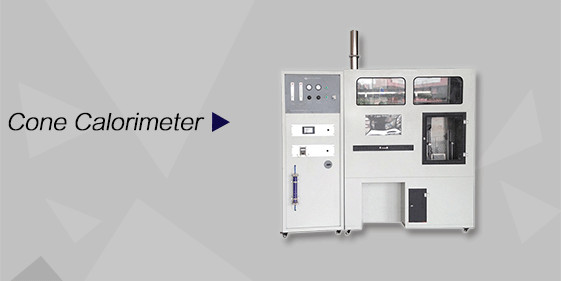
Cone Calorimeter
The import of American VTEC, cone calorimeter ultra high cost performance
more
-
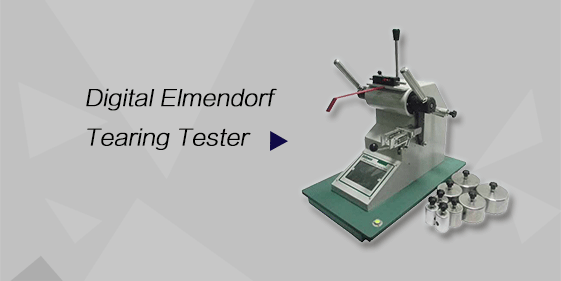
Digital Elmendorf Tearing Tester
Pendulum method test material tear strength, operating more simple, more accurate data
more
-
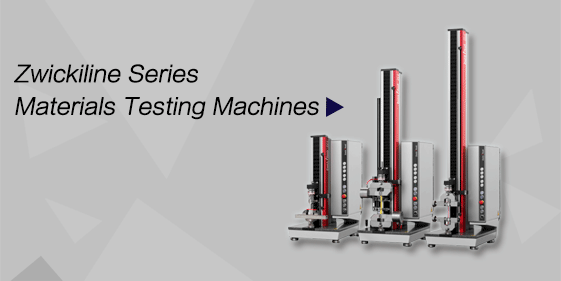
ZwickiLine Materials testing machines
Top of the world's leading universal material testing machine
more
Sun Protection Factor Tester(UV proof tester)
BACK

Standards:
Applications:
Product Information:
The Sun Protection Factor (SPF) Tester, also known as a UV Proof Tester, is designed to evaluate the ultraviolet protection capabilities of sunscreens, UV-resistant fabrics, and other UV-protective materials. The instrument provides precise measurement of SPF, UPF, and UVA/UVB protection factors, offering reliable data for R&D, quality control, and regulatory compliance in cosmetic and textile industries.
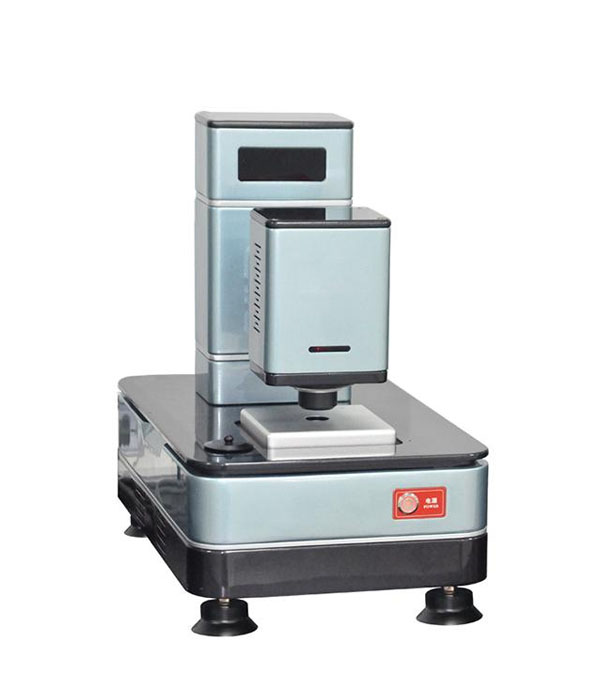
Application
(1) Measurement of SPF (Sun Protection Factor) for sunscreen products.
(2) Evaluation of UPF (Ultraviolet Protection Factor) in textiles, clothing, and films.
(3) Testing of functional sunscreen additives and UV-blocking coatings.
(4) Quality control in sunscreen production lines and cosmetic manufacturing.
(5) R&D laboratories for formulation optimization of sunscreens and UV-protective materials.
(6) Testing UV performance of textiles, fabrics, and functional materials in apparel and outdoor products.
(7) Assessment of UV stability and protection for photographic emulsions, films, and packaging materials.
Standards
(1) ISO 24444 – Determination of SPF in vivo.
(2) ISO 24443 – In vitro determination of UVA protection of sunscreen products.
(3) AS/NZS 4399 – Sun protective clothing evaluation (Australia/New Zealand standard).
(4) AATCC 183 – UV transmission of textile fabrics.
(5) FDA Sunscreen Monograph – US regulatory standard for SPF testing.
(6) COLIPA in-vitro method – UVA-PF / SPF ratio determination (EU labeling).
(7) Critical Wavelength (EU and FDA labeling) – Measures UVA coverage.
(8) ISO 2442 – Test method for sunscreen protection in vitro.
(9) Australian TNUV standards – Textile UV testing protocol.
(10) UVA/UVB Protective Factor calculations – International methodology for UV evaluation.
Features
(1) Accurate Measurement – High-precision evaluation of SPF, UPF, and UVA/UVB protection metrics.
(2) Rapid Detection – Fast spectral scanning reduces test time compared with traditional in vivo or chemical methods.
(3) Multi-Scenario Application – Compatible with sunscreens, textiles, films, and functional UV materials.
(4) Objective In Vitro Testing – Provides reproducible spectral data, minimizing variability.
(5) Non-Destructive – Preserves sample integrity, particularly for textile and film specimens.
(6) Regulatory Compliance – Supports global standards and testing protocols for international markets.
(7) Automation & Data Processing – Automatic scanning, analysis, graph generation, and report printing.
Technical Parameters
| Parameter | Specification |
|---|---|
| Light Source | 125 W DC continuous Xenon lamp |
| Wavelength Range | 290–400 nm |
| Scan Steps | 1 nm, 2 nm, 5 nm |
| Wavelength Accuracy | ±0.2 % (0.58–0.80 nm) |
| Wavelength Repeatability | 0.25 nm |
| Measurement Function | Automatic SPF and UPF calculation, UVA/UVB display |
| Sample Type | Sunscreen formulations, textiles, UV films, emulsions |
| Data Output | Test reports, graphs, charts, automatic data storage |
| Power Supply | AC 220 V / 50 Hz (typical) |
| Operation Mode | Automatic scanning and reporting |
Accessories
(1) Standard sample holders for cosmetic lotions and films.
(2) Calibration reference materials for SPF and UPF validation.
(3) Software for data acquisition, graphing, and report generation.
(4) Optional optical filters or diffusers for spectral adjustments.
Test Procedures
(1) Prepare the sunscreen or UV-protective sample according to standard methods.
(2) Place the sample in the designated holder.
(3) Select scanning parameters (wavelength range, step size).
(4) Initiate automatic spectral scan.
(5) The instrument calculates SPF, UPF, and UVA/UVB values.
(6) Review and save test results; print reports and graphs as needed.
(7) Repeat for multiple samples or locations to ensure reproducibility.
Maintenance Information
(1) Clean optical surfaces and sample holders after each test.
(2) Calibrate the light source periodically using reference materials.
(3) Avoid exposure to excessive dust, moisture, or vibrations.
(4) Verify software updates and backup stored data regularly.
(5) Inspect xenon lamp performance; replace if spectral output declines.
FAQs
1. What is the primary function of the Sun Protection Factor Tester?
The Sun Protection Factor Tester, also referred to as a UV Proof Tester, is designed to evaluate the ultraviolet protection performance of sunscreens, UV-resistant textiles, films, and other functional UV-protective materials. It measures SPF, UPF, and UVA/UVB protection factors by performing automatic spectral scanning in the wavelength range of 290–400 nm. The instrument provides precise, objective, and reproducible in-vitro data, supporting research and development, quality control, and regulatory compliance in cosmetic, textile, and functional material industries.
2. In which applications can the SPF Tester be used? (Long Answer)
The SPF Tester is suitable for a wide range of applications involving UV protection evaluation. It is used to measure SPF values of sunscreen products during formulation development and quality control. In textile and apparel industries, it evaluates UPF performance of fabrics, clothing, and films. The instrument is also applied to testing UV-blocking coatings, functional sunscreen additives, and UV-resistant materials. Additionally, it supports R&D laboratories in optimizing sunscreen formulations and is used to assess UV stability and protection performance of photographic emulsions, films, and packaging materials.
3. Which international standards are supported by this tester?
The Sun Protection Factor Tester supports multiple international and regional standards, including ISO 24444 for in vivo SPF determination, ISO 24443 for in-vitro UVA protection testing, AATCC 183 for UV transmission of textile fabrics, and AS/NZS 4399 for sun protective clothing. It also aligns with FDA Sunscreen Monograph requirements, COLIPA in-vitro methods for UVA-PF/SPF ratio determination, Critical Wavelength requirements for EU and FDA labeling, and other international methodologies for UVA/UVB protective factor calculations.
4. What technical features ensure accurate and reliable UV measurement? (Long Answer)
The tester is equipped with a 125 W DC continuous xenon lamp and operates across a wavelength range of 290–400 nm, covering both UVA and UVB regions. It offers selectable scan steps of 1 nm, 2 nm, or 5 nm, with wavelength accuracy of ±0.2 % and repeatability of 0.25 nm. Automatic scanning and data processing enable direct calculation of SPF and UPF values, along with UVA/UVB display. Non-destructive testing preserves sample integrity, while automated reporting, graph generation, and data storage enhance repeatability and testing efficiency.
