




Search keywords:
product name, product type, model number,
test method, manufacturer, technique, application
-
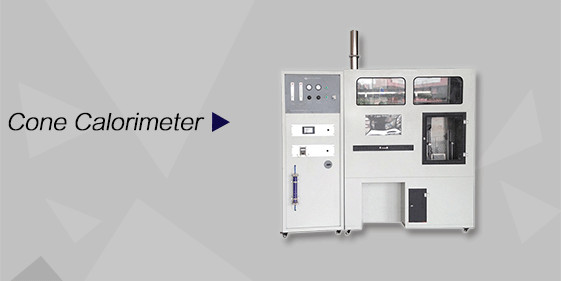
Cone Calorimeter
The import of American VTEC, cone calorimeter ultra high cost performance
more
-
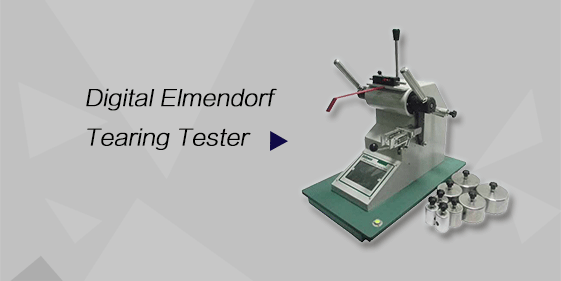
Digital Elmendorf Tearing Tester
Pendulum method test material tear strength, operating more simple, more accurate data
more
-
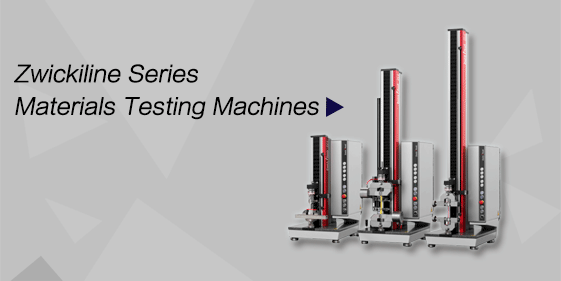
ZwickiLine Materials testing machines
Top of the world's leading universal material testing machine
more
Leather Water Vapor Permeability Tester
BACK

Standards:
(1) UNI EN IUP/15 – Italian standard for testing puncture resistance of safety footwear. (2) UNI EN 13515 – European standard specifying abrasion resistance tests for protective footwear soles. (3) EN ISO 20344:6.6 – International standard defining puncture resistance testing methods for safety shoes. (4) IUP 15 – Standard for evaluating puncture-resistant properties of footwear materials. (5) BS 3144 Method 24 – British standard for abrasion resistance testing of leather and footwear components. (6) SLP 25 – Standard protocol for assessing safety shoe durability under repetitive stress. (7) DIN 53333 – German standard for puncture resistance measurements in protective footwear. (8) ISO 17699 – International standard for footwear safety, including puncture and impact resistance. (9) DIN 53 429 – German method for abrasion resistance testing of rubber and plastics in footwear. (10) METODO - 309 WI 009 – Brazilian standard for puncture resistance evaluation in safety footwear.
Applications:
(1) Testing leather used in footwear uppers to assess perspiration removal efficiency.
(2) Evaluating leather for clothing, gloves, and sports gear for breathability.
(3) Assessing coated or laminated leathers for moisture transport performance.
(4) Quality control of artificial leather and PU materials in fashion and automotive interiors.
(5) R&D for developing high-performance breathable leather and textile composites.
(6) Measuring vapor permeability of textile laminates, membranes, and hybrid materials.
(7) Comparative testing of leather treatments and finishing processes.
Product Information:
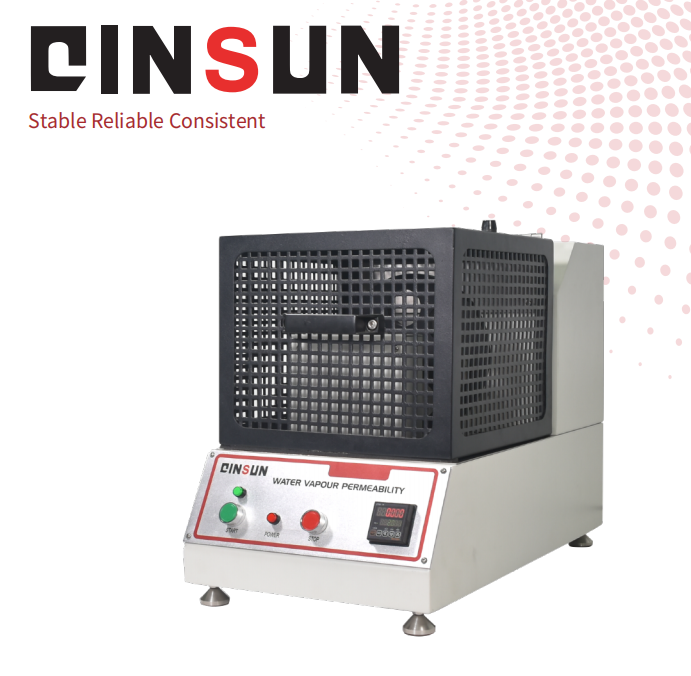
The Leather Water Vapor Permeability Tester measures the ability of leather and leather-like materials to transmit water vapor. By assessing the weight of water vapor that passes through the material per unit area and time, it evaluates the breathability and moisture transport performance of leathers, textiles, and composite materials. The instrument is equipped with multiple test stations, controlled ventilation, and precise timing for standardized laboratory measurements.
Features
(1) Six independent test stations on a rotary table for parallel testing.
(2) Electronic timer for accurate test duration recording.
(3) Silica gel-based measurement system for precise water vapor absorption.
(4) Controlled fan blade rotation ensures uniform airflow across samples.
(5) Adjustable fan gaps and rotation speeds for testing standardization.
(6) Compact and robust frame for laboratory use.
Parameters
| Parameter | Specification |
|---|---|
| Test Stations | 6 |
| Electronic Timer | Built-in, records test duration |
| Fan Blades | 3 |
| Fan Blade Dimensions | 75 × 90 mm |
| Angle Between Fan Blades | 120° |
| Fan Gaps | 10 ± 5 mm |
| Fan Speed | 1400 rpm |
| Specimen Rotary Speed | 75 rpm |
| Sample Holder Diameter | 30 ± 1 mm |
| Fixture Diameter | 30 ± 1 mm, helical |
| Instrument Weight | 45 kg |
| Overall Dimension | 350 × 570 × 450 mm |
| Power Consumption | 300 W |
Accessories
(1) Silica gel desiccant for sample holders.
(2) Screw-top sample holders.
(3) User manual and calibration certificate.
Test Procedures
(1) Precondition the instrument in a controlled environment (20°C, 65% RH).
(2) Fill each sample holder with silica gel and weigh accurately.
(3) Place the leather or textile sample over the neck of the holder and secure with a screw top.
(4) Insert holders into the rotary table and lock in place.
(5) Start the fan and timer; allow testing to run for 7–8 hours.
(6) Remove holders and reweigh to determine water vapor absorption.
(7) Calculate vapor permeability based on weight gain per unit area and time.
Maintenance Information
(1) Keep fan blades and sample holders clean to ensure accuracy.
(2) Regularly check and replace silica gel desiccant.
(3) Inspect rotary mechanism and lubrication periodically.
(4) Avoid exposure to corrosive environments or excessive humidity.
(5) Verify electronic timer function and calibration regularly.
FAQs
1. What does the Leather Water Vapor Permeability Tester measure?
The Leather Water Vapor Permeability Tester measures the ability of leather and leather-like materials to transmit water vapor. It evaluates breathability and moisture transport performance by determining the amount of water vapor that passes through a material per unit area over a defined period of time. The measurement is based on the weight gain of silica gel inside the sample holder after exposure to controlled airflow and test duration, providing standardized and repeatable laboratory results.
2. Which materials can be tested using this instrument?
This tester is suitable for natural leather, artificial leather, PU materials, textile laminates, membranes, coated or laminated leathers, and hybrid composite materials. It is widely used for footwear uppers, clothing leather, gloves, sports gear, automotive interior materials, and advanced breathable leather-textile composites developed during research and product development.
3. How does the test method determine water vapor permeability?
The test method uses a silica gel-based measurement system. Each sample holder is filled with silica gel and accurately weighed before the test. During testing, water vapor passes through the leather or textile specimen and is absorbed by the silica gel. After 7–8 hours of controlled airflow and rotation, the holder is reweighed. The increase in mass represents the absorbed water vapor, which is then used to calculate vapor permeability per unit area and time.
4. What features ensure accuracy and repeatability of the test results?
The instrument is equipped with six independent test stations mounted on a rotary table, allowing parallel testing under identical conditions. Controlled fan blade rotation ensures uniform airflow across all samples, while adjustable fan gaps and speeds support standardized testing. A built-in electronic timer precisely records test duration, and the silica gel absorption method provides stable and reproducible water vapor measurements suitable for laboratory quality control and research applications.
5. Which standards can this tester be used to support?
The tester supports laboratory testing aligned with several international and regional standards related to footwear and material performance, including EN ISO 20344:6.6. IUP 15. DIN 53333. BS 3144 Method 24. ISO 17699. and related UNI, DIN, and Brazilian protocols. These standards are commonly applied in footwear safety, durability, and material performance evaluation.
6. What maintenance is required to keep the instrument operating correctly?
Regular maintenance includes keeping fan blades and sample holders clean, checking and replacing silica gel desiccant when needed, and inspecting the rotary mechanism and lubrication periodically. The instrument should be kept away from corrosive environments and excessive humidity. In addition, the electronic timer and overall calibration should be verified regularly to ensure long-term measurement accuracy.
