




Search keywords:
product name, product type, model number,
test method, manufacturer, technique, application
-
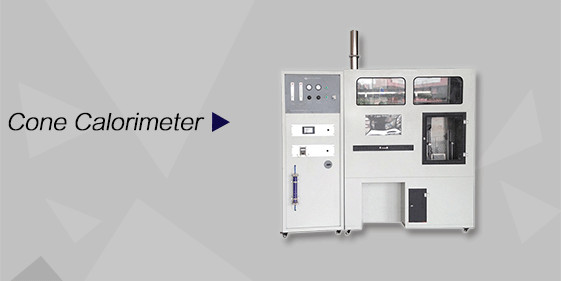
Cone Calorimeter
The import of American VTEC, cone calorimeter ultra high cost performance
more
-
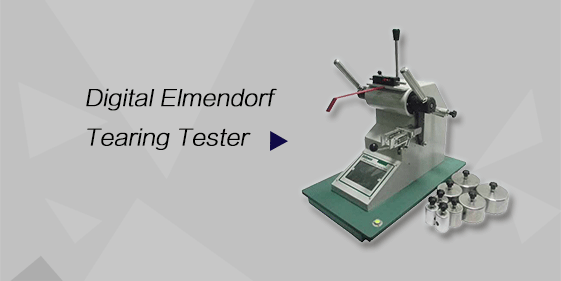
Digital Elmendorf Tearing Tester
Pendulum method test material tear strength, operating more simple, more accurate data
more
-
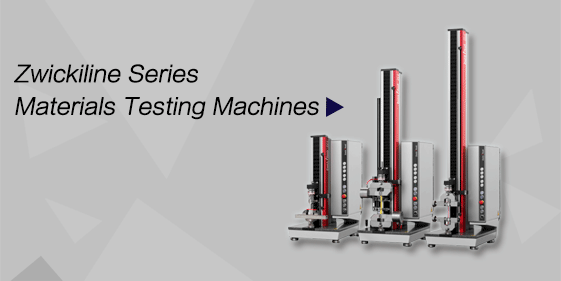
ZwickiLine Materials testing machines
Top of the world's leading universal material testing machine
more
American European bending tester
BACK

Standards:
16 CFR CPS USA: Child Product Safety Certification ASTM F963: Standard Consumer Safety Specification for Toy Products EN 71: European Toy Safety Directive
Applications:
The American European Bending Tester is widely used for safety evaluation of metal wire components in toys and children’s products. Typical application areas include toy manufacturing, baby and toddler products, educational products, children’s furniture, and decorative items containing exposed or embedded metal wires. It is also applied in quality control laboratories, third-party testing institutions, and product development centers to verify compliance with US and European child safety regulations before market release.
Product Information:
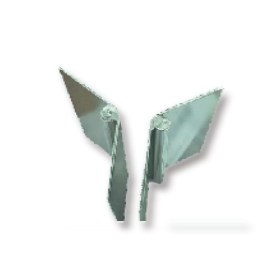
American European Bending Tester is designed to evaluate the mechanical safety of metal wires used in children’s products. It determines whether wires bend excessively or break under specified axial force and bending conditions, potentially creating sharp edges or points that pose injury or choking hazards. The tester applies controlled deformation and 90° bending tests and assesses results against defined acceptance criteria. It supports compliance with major US and European child safety standards, providing objective, repeatable data for product design validation, quality control, and regulatory conformity.
Test Purpose:
To determine if metal wires in children's products bend or break under stress, creating sharp edges or points that pose choking or injury hazards.
Product Advantages:
Ensures Child Safety: Directly tests for potential hazards from metal wires, significantly reducing the risk of cuts, punctures, or ingestion of broken pieces.
Dual Market Compliance: Designed to perform tests required by both US (ASTM, 16 CFR) and European (EN 71) standards, simplifying testing for manufacturers targeting both markets.
Objective and Quantifiable Results: Provides measurable outcomes (deformation percentage, breakage force) and a pass/fail assessment for sharp edges based on standardized methods.
Supports Design and Quality Control: Valuable for validating material choices, evaluating product design, and performing quality checks during manufacturing.
Reduces Risk of Recalls: Helps prevent costly and damaging product recalls by ensuring compliance with safety regulations before products are shipped.
Acceptance Criteria:
No permanent deformation exceeding 15% of original length
No sharp edges exceeding 0.5mm radius
Maximum allowable breakage force ≥ 2N
Parameter:
| Test Parameter | Specification |
|---|---|
| Deformation Test | Apply 3N axial force for 5 minutes |
| Bend Test | Flex the wire at 90° angle with 5mm radius mandrel |
| Edge Evaluation | Check for sharp edges using ISO 4671-1:2017 gauge |
Operation Method
Secure the metal wire specimen in the testing fixture, ensuring proper alignment and firm mounting.
Perform the deformation test by applying a 3 N axial force to the specimen and maintaining it for 5 minutes.
Measure and record the permanent deformation of the specimen and compare it with the original length.
Perform the bending test by flexing the wire to a 90° angle using a mandrel with a 5 mm radius.
After testing, inspect the specimen for breakage or abnormal deformation.
Use an ISO 4671-1:2017 gauge to evaluate the presence of hazardous sharp edges.
Determine compliance based on deformation percentage, sharp-edge radius, and breakage force.
Maintenance Information
Regularly inspect the force-applying mechanism and bending components to ensure accurate and stable loading.
Keep clamps and contact surfaces clean to avoid affecting specimen fixation and measurement accuracy.
Check the surface condition of the bending mandrel to ensure the specified bending radius is maintained.
Clean the equipment after testing to prevent the accumulation of metal debris.
Store the instrument in a dry, stable environment to avoid corrosion or mechanical damage.
Accessories
Metal wire fixing clamps
5 mm radius bending mandrel
ISO 4671-1:2017 sharp-edge inspection gauge
Force loading assembly (for 3 N axial force testing)
Operation manual
FAQs
1. What is the main purpose of the American European Bending Tester?
The American European Bending Tester is designed to determine whether metal wires used in children’s products will bend excessively or break under applied stress. The test evaluates if deformation or breakage could create sharp edges or points that may cause choking, cuts, or puncture injuries. By applying defined axial force and controlled bending conditions, the tester provides objective evidence of compliance with child product safety requirements in both the US and European markets.
2. Which safety standards does this bending tester comply with?
This tester is designed to meet key child product safety regulations, including 16 CFR CPS USA for Child Product Safety Certification, ASTM F963 for consumer toy safety, and EN 71 under the European Toy Safety Directive. These standards specify mechanical stress conditions, acceptance limits, and evaluation methods to ensure that metal components in toys and children’s products do not present hazardous sharp edges or dangerous deformation during normal or foreseeable use.
3. How are deformation and bending evaluated during the test?
Deformation testing is performed by applying a 3 N axial force to the metal wire specimen for a duration of 5 minutes. The tester measures whether permanent deformation exceeds 15% of the original length. For bending evaluation, the wire is flexed to a 90° angle using a mandrel with a 5 mm radius. These controlled conditions simulate mechanical stresses that may occur during handling or play and allow consistent comparison against defined acceptance criteria.
4. How is sharp edge risk assessed after bending or breakage?
After deformation or bending tests are completed, the specimen is inspected for sharp edges or points using an ISO 4671-1:2017 gauge. According to the acceptance criteria, no sharp edge is permitted to exceed a radius of 0.5 mm. In addition, the maximum allowable breakage force must be at least 2 N. If the specimen fails any of these criteria, it is considered non-compliant and poses a potential safety hazard.
