




Search keywords:
product name, product type, model number,
test method, manufacturer, technique, application
-
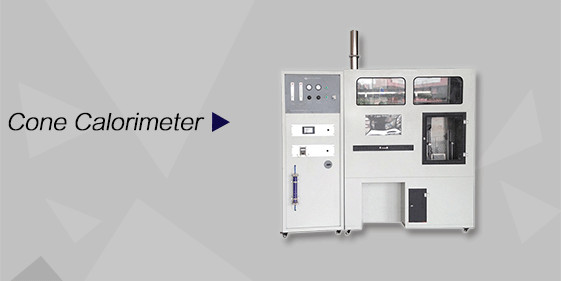
Cone Calorimeter
The import of American VTEC, cone calorimeter ultra high cost performance
more
-
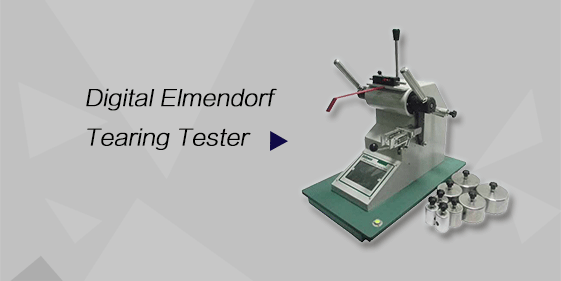
Digital Elmendorf Tearing Tester
Pendulum method test material tear strength, operating more simple, more accurate data
more
-
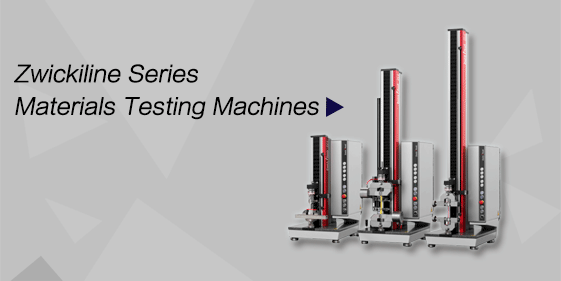
ZwickiLine Materials testing machines
Top of the world's leading universal material testing machine
more
Small Parts Tester
BACK

Standards:
(1) ASTM F963 – Standard Consumer Safety Specification for Toy Products (2) EN 71-1 – European Toy Safety Standard: Mechanical and Physical Properties (3) 16 CFR Part 1501 – US Regulation for Small Parts Determination (4) ISO 8124-1 – International Standard for Toy Safety
Applications:
Choking hazard assessment for toys intended for children under 3 years old
Evaluation of detachable or removable toy components after normal use or foreseeable misuse
Safety testing of decorative elements attached to toys
Inspection of cracked plastic edges or fragments generated during testing
Mandatory testing of wooden knots in wooden toys
Quality control during toy manufacturing and assembly
Compliance verification before market release and export
Product Information:
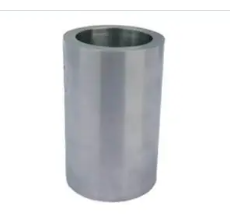
The Small Parts Tester is a precision gauge used to identify potential choking hazards by determining whether toy components qualify as small parts. By allowing test objects to enter the tester under their own weight and in multiple orientations, the device provides a clear and objective pass/fail assessment based solely on size. It is an essential tool for evaluating toys and components intended for children under three years of age in accordance with international toy safety regulations.
Parameters
| Parameter | Specification |
|---|---|
| Material | Stainless Steel |
| Inner Diameter | 31.7 mm |
| Dimension Tolerance | +0.1 / −0 mm |
| Overall Dimensions | 41 × 41 × 66 mm |
| Operating Method | Gravity Only |
Features
Provides a direct and reliable method for identifying small parts and choking hazards
Fully compliant with major US, EU, and international toy safety standards
Objective pass/fail evaluation based strictly on component size
Simple, non-electronic design for fast and repeatable testing
Durable stainless steel construction for long-term laboratory and factory use
Compact and portable, suitable for on-site inspections and audits
Accessories
(1) Small parts test cylinder (stainless steel)
(2) Protective storage case
(3) Operation reference guide
Test Procedures
Place the test object into the Small Parts Tester under its own weight.
Test the object in multiple orientations to simulate different insertion possibilities.
Observe whether the object fully submerges into the tester.
If the object fully enters the tester, it is classified as a small part.
For toys intended for children under 3 years old, remove components that may detach during normal use or foreseeable misuse.
Test all removable parts individually before final evaluation.
Maintenance Information
Keep the tester clean and free from dust or residue to ensure accurate results
Inspect the inner surface regularly for deformation or damage
Avoid impact or dropping to maintain dimensional accuracy
Store in a dry environment to prevent corrosion
Periodically verify dimensions when used in high-frequency testing environments
FAQ
1. What is the core advantage of this product?
The core advantage of the Small Parts Tester is its ability to provide an objective and standardized determination of choking hazards based purely on size. The gravity-only method eliminates subjective judgment and ensures consistent results.
2. Are the test results reliable?
Yes. The tester uses a fixed internal diameter with strict dimensional tolerance, and testing relies solely on gravity. This ensures repeatable and regulation-compliant results across different operators and testing environments.
3. Which international or industry standards does it comply with?
The Small Parts Tester complies with ASTM F963. EN 71-1. 16 CFR Part 1501. and ISO 8124-1. making it suitable for global toy safety compliance.
4. Why is this product important?
This tester plays a critical role in preventing choking incidents by identifying small parts that pose risks to young children. It helps manufacturers meet regulatory requirements and reduces the likelihood of safety-related recalls.
5. Which fields or industries is this product suitable for?
The product is widely used in toy manufacturing, quality control laboratories, third-party testing organizations, product development centers, and regulatory compliance testing for children’s products.
