




Search keywords:
product name, product type, model number,
test method, manufacturer, technique, application
-
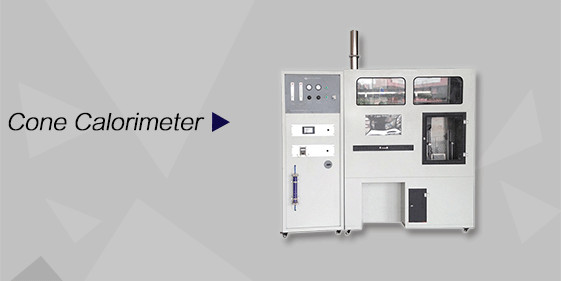
Cone Calorimeter
The import of American VTEC, cone calorimeter ultra high cost performance
more
-
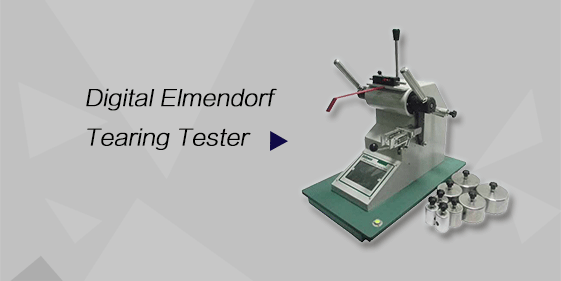
Digital Elmendorf Tearing Tester
Pendulum method test material tear strength, operating more simple, more accurate data
more
-
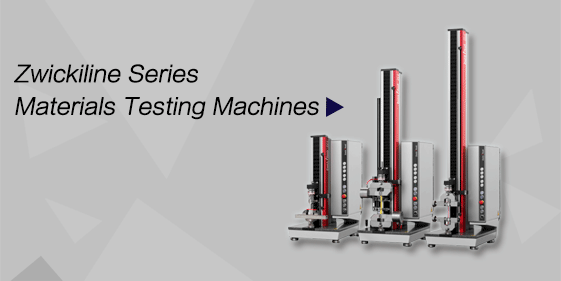
ZwickiLine Materials testing machines
Top of the world's leading universal material testing machine
more
Sharp edge tester
BACK

Standards:
(1) ASTM F963 Section 4.8 – Standard Consumer Safety Specification for Toy Products (2) EN 71-1:1998 Clause 8.14 – European Toy Safety Standard: Mechanical and Physical Properties (3) GB 6675-2003 Annex A.5.9 – Chinese National Standard for Toy Safety (4) 16 CFR 1500.48 – US Regulation for Sharp Points and Edges
Applications:
Evaluation of toys for sharp edges and points for children aged 96 months and below
Testing of consumer products and accessories intended for young children
Quality control during manufacturing to ensure product safety
Research and development of safer product designs
Pre-shipment inspection for regulatory compliance and market access
Product Information:
The Sharp Edge Tester is designed to evaluate toys and consumer products for potentially hazardous sharp edges. By providing a standardized method for measuring edge sharpness, the tester delivers objective, repeatable results that support safety compliance. It is essential for manufacturers and laboratories to prevent injuries in children and ensure that products meet national and international safety regulations.
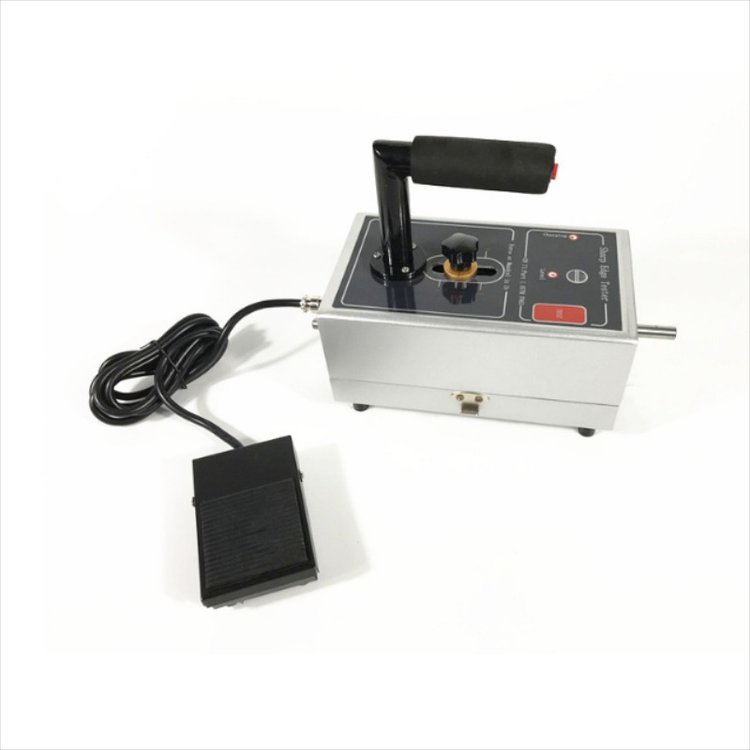
Parameters
| Parameter | Specification |
|---|---|
| Product Name | Sharp Edge Tester |
| Configuration | 1 unit |
| Foot Switch | 1 set |
| Power Charger | 1 unit |
| Tabletop Mounting Bracket | 1 set |
| Operating Manual | 1 copy |
| Applicable Age Range | Children ≤ 96 months |
| Test Method | Quantitative edge sharpness measurement |
Features
Enhances product safety by identifying hazardous sharp edges
Ensures compliance with international and national safety regulations
Provides objective, repeatable measurements of edge sharpness
User-friendly design with foot switch for hands-free operation
Portable and suitable for laboratory or manufacturing environments
Durable construction for long-term, consistent performance
Versatile: applicable to toys and other children’s products
Accessories
(1) Safety edge test tape (1 roll)
(2) Foot switch
(3) Power charger
(4) Tabletop mounting bracket
(5) Operating manual
Test Procedures
Mount the Sharp Edge Tester securely on a tabletop using the provided bracket.
Connect the power supply and ensure the foot switch is operational.
Position the toy or product so that the edge to be tested aligns with the tester’s measurement device.
Activate the tester using the foot switch to evaluate the edge for sharpness.
Record the results and determine compliance based on applicable safety standards.
Repeat for all exposed edges on the product.
Maintenance Information
Keep the tester clean and free from debris to maintain measurement accuracy
Inspect the measurement surface regularly for wear or damage
Ensure the foot switch and power supply are functioning properly
Store the tester in a dry, stable environment to prevent corrosion
Follow the operating manual for periodic calibration and checks
FAQ
1. What is the core advantage of this product?
The core advantage of the Sharp Edge Tester is its ability to provide objective and repeatable measurements of edge sharpness. It identifies hazardous edges that could cause injuries in children, allowing manufacturers to proactively address safety risks.
2. Are the test results reliable?
Yes. The tester uses a standardized and quantitative method for evaluating sharp edges, eliminating subjective judgment and ensuring consistent results across repeated tests and different operators.
3. Which international or industry standards does it comply with?
The Sharp Edge Tester complies with ASTM F963 4.8. EN 71-1 8.14. GB 6675-2003 A.5.9. and 16 CFR 1500.48. making it suitable for global toy safety and consumer product compliance.
4. Why is this product important?
This tester is critical for preventing injuries by identifying sharp edges on toys and children’s products. It helps manufacturers meet regulatory requirements, reduce recalls, and ensure market safety.
5. Which fields or industries is this product suitable for?
It is widely used in toy manufacturing, quality control laboratories, R&D centers, regulatory compliance testing, and any facility producing or testing consumer products for children.
