




Search keywords:
product name, product type, model number,
test method, manufacturer, technique, application
-
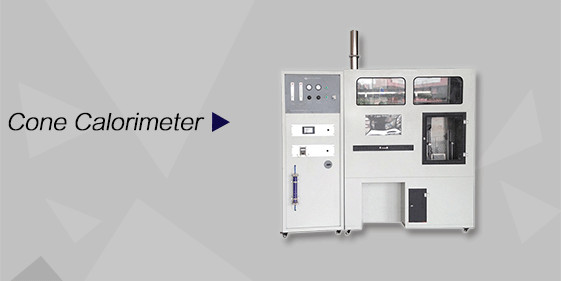
Cone Calorimeter
The import of American VTEC, cone calorimeter ultra high cost performance
more
-
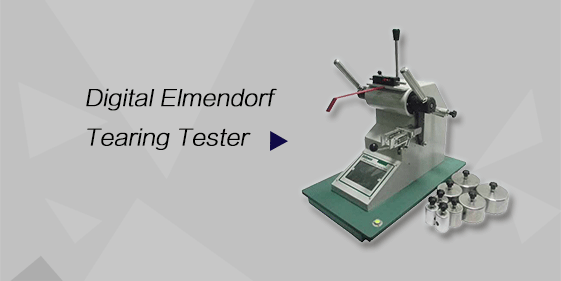
Digital Elmendorf Tearing Tester
Pendulum method test material tear strength, operating more simple, more accurate data
more
-
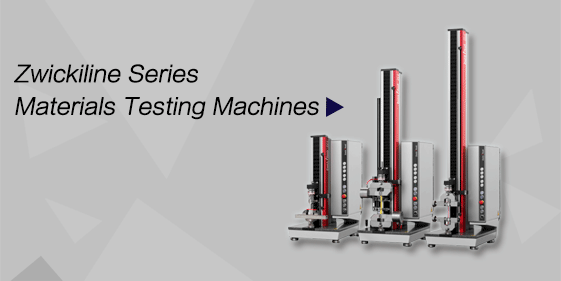
ZwickiLine Materials testing machines
Top of the world's leading universal material testing machine
more
Wet Microbial Penetration Tester
BACK

Standards:
(1) ISO 22610:2006 – Surgical drapes, gowns, and clean air suits: Test method for resistance to wet bacterial penetration. (2) EN 14126:2003 – Protective clothing: Performance requirements and test methods for resistance to infective agents, including liquid penetration. (3) ASTM F1671/F1671M-13 (2023) – Standard test method for resistance of materials used in protective clothing to penetration by blood-borne pathogens using Phi-X174 bacteriophage. (4) AAMI PB70:2012 – Liquid barrier performance and classification of protective apparel and drapes for healthcare facilities.
Applications:
Medical Field: Testing surgical gowns, isolation suits, and other protective equipment to ensure effective microbial barrier performance, reducing the risk of infection for healthcare workers.
Scientific Research: Assisting material scientists and engineers in developing high-performance protective fabrics by accurately measuring wet microbial penetration.
Quality Control: Routine testing during production to verify barrier effectiveness of medical textiles and PPE.
Product Development: Comparing different formulations, coatings, and fabric constructions for optimized microbial resistance.
Product Information:
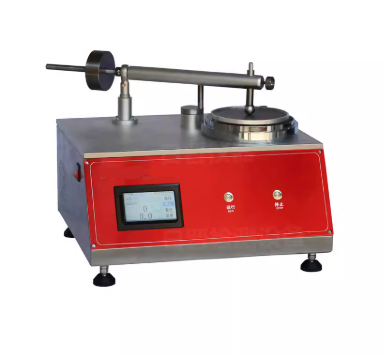
The Wet Microbial Penetration Tester is a specialized instrument designed to evaluate the barrier performance of medical protective equipment, sanitary materials, and other fabrics against microorganisms in wet environments. By simulating clinical pressure and humidity conditions, the tester quantifies microbial penetration through materials, providing objective data that supports safety compliance, material classification, and quality assurance in healthcare and research applications.
Parameters
| Parameter | Specification |
|---|---|
| Test Method | Microbial penetration under wet conditions |
| Sample Types | Medical protective clothing, sanitary materials, laboratory textiles |
| Microbial Challenge | Bacteria, viruses (per standard requirements) |
| Environmental Conditions | Controlled humidity and pressure during test |
| Measurement | CFU/PFU count on the downstream side of the sample |
| Compliance | ISO 22610. EN 14126. ASTM F1671/F1671M, AAMI PB70 |
Features
Critical safety assessment by simulating real clinical wet exposure
Compliance with key international standards ensures regulatory acceptance
Realistic simulation of pressure, moisture, and microbial contact conditions
Objective, quantifiable results for accurate comparison and classification
Versatile: adaptable to multiple protective materials and microbial challenges
Supports research, development, and quality control of protective fabrics
Reliable and repeatable testing for laboratory and production environments
Accessories
(1) Microbial carrier plates
(2) Humidity and pressure control system
(3) Sample holding clamps
(4) Calibration and operation manuals
Test Procedures
Inoculate microorganisms onto the designated carrier according to the standard.
Secure the test sample in the holder and ensure proper alignment.
Adjust environmental conditions to simulate wet clinical exposure (pressure and humidity).
Allow microorganisms to attempt penetration through the sample for the specified duration.
Collect and culture microorganisms from the downstream side of the sample.
Count CFU (colony-forming units) or PFU (plaque-forming units) to quantify barrier performance.
Compare results to standard thresholds to determine compliance and material classification.
Maintenance Information
Clean sample holders and microbial carriers after each test to prevent contamination.
Regularly check the integrity of seals and clamps to maintain test accuracy.
Verify humidity and pressure control calibration periodically.
Store equipment in a clean, dry environment to prevent microbial contamination and corrosion.
Follow laboratory biosafety guidelines when handling microbial cultures.
FAQ
1. What is the core advantage of this product?
The core advantage is its ability to directly assess the barrier performance of medical and sanitary materials against microorganisms under wet conditions. It provides realistic simulation and objective quantification, enabling accurate classification and safety assurance.
2. Are the test results reliable?
Yes. The tester operates under controlled humidity and pressure, uses standardized microbial challenges, and measures CFU/PFU counts, ensuring repeatable and regulatory-compliant results suitable for both R&D and quality control.
3. Which international or industry standards does it comply with?
The tester complies with ISO 22610. EN 14126. ASTM F1671/F1671M, and AAMI PB70. covering global standards for bacterial and viral resistance in wet conditions.
4. Why is this product important?
It is essential for ensuring the effectiveness of medical protective equipment, reducing infection risks for healthcare workers, and supporting product classification, regulatory compliance, and quality control in healthcare and research settings.
5. Which fields or industries is this product suitable for?
The tester is suitable for medical PPE manufacturers, hospital and clinical laboratories, textile research and development, protective apparel quality control, and regulatory testing facilities.
