




Search keywords:
product name, product type, model number,
test method, manufacturer, technique, application
-
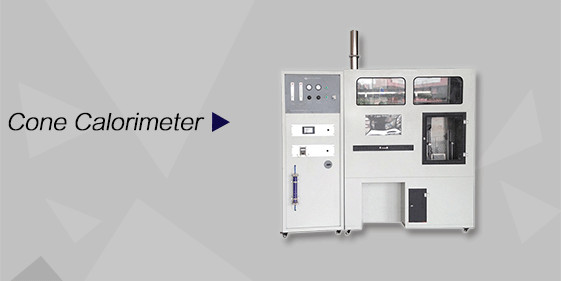
Cone Calorimeter
The import of American VTEC, cone calorimeter ultra high cost performance
more
-
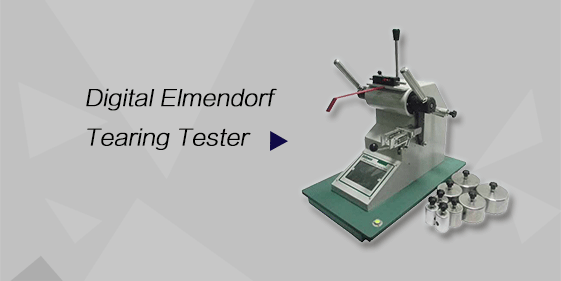
Digital Elmendorf Tearing Tester
Pendulum method test material tear strength, operating more simple, more accurate data
more
-
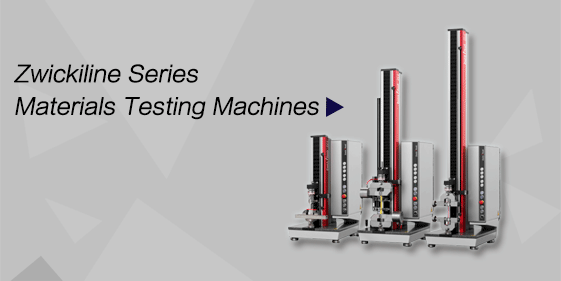
ZwickiLine Materials testing machines
Top of the world's leading universal material testing machine
more
IMO Flame Spread Test Apparatus
BACK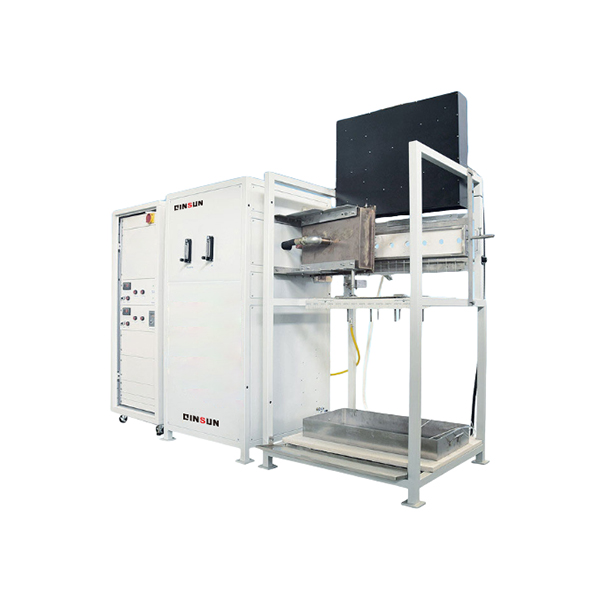


Standards:
The apparatus complies with the following standards: (1) GB/T 28752-2012 – Test Method for Lateral Flame Spread on Vertical Surfaces (2) ISO 5658-2 – Reaction to Fire Tests — Spread of Flame — Part 2: Lateral Spread on Building Products in Vertical Configuration (3) IMO Resolution A.653(16) – Surface Flammability of Bulkhead, Ceiling and Deck Finish Materials (4) ASTM E1317
Applications:
Building Industry
Flame spread testing of construction materials such as wall linings, ceilings, partitions, and insulation boards to verify compliance with fire safety requirements.
High-Speed Railway
Evaluation of interior materials used in high-speed trains, including seats, wall panels, ceilings, and decorative components, to ensure passenger safety.
Shipbuilding and Marine Engineering
Fire performance testing of bulkhead, ceiling, and deck materials used in ships and offshore structures.
Fire Safety Testing and Certification
Measurement of flame spread rate, ignition heat, and heat release for fire-resistant material development and safety certification.
Material Manufacturers
Performance evaluation of plastics, rubber, composite materials, and other products under radiant heat exposure to improve fire protection properties.
Product Information:
IMO Flame Spread Test Apparatus is designed to evaluate the combustion behavior of materials used in buildings, high-speed trains, and marine applications. The apparatus focuses on key fire performance indicators such as flame spread rate, ignition heat, critical heat flux, and total heat release under controlled radiant heat exposure.By exposing vertically mounted specimens to a calibrated radiant heat source and pilot flame, the system accurately measures flame propagation characteristics in accordance with relevant national and international standards. It is widely applied in construction, transportation, shipbuilding, and fire safety certification to assess material fire performance and compliance.
Parameters
| Item | Specification |
|---|---|
| Methane Calibration Burner | 1 kW and 3 kW flame output |
| Radiant Panel Size | 480 mm × 280 mm |
| Ambient Temperature Range | 10 °C to 35 °C |
| Calibration Gas | Methane |
| Combustion Gas | Propane or Methane |
| Power Supply | 220 V, 10 A |
| Equipment Dimensions (Standard) | 1100 mm × 1100 mm × 1700 mm |
| Equipment Dimensions (Optional) | 1530 mm × 900 mm × 1650 mm |
| Equipment Weight | 128 kg |
| Measured Parameters | Critical heat flux, ignition heat, total heat release |
Features
Comprehensive Fire Performance Measurement
Simultaneous evaluation of flame spread rate, ignition heat, critical heat flux, heat release rate, and sustained combustion heat.
Accurate Gas Flow Control
Equipped with a propane mass flow controller and Venturi gas mixer to ensure stable and precise combustion conditions.
Efficient Cooling System
Portable water-circulation cooling unit effectively removes heat from the heat flux sensor, maintaining measurement stability.
Video Monitoring and Data Recording
Integrated camera monitors the entire test process and stores measurement status for traceability.
Automated Control System
Standard testing software enables automated operation, minimizing operator influence and improving test repeatability.
High-Precision Radiant Heat Flux Measurement
Built-in water-cooled radiant heat flux sensor accurately records radiant heat distribution curves.
User-Friendly Operation
Adjustable observation window allows clear visual monitoring of flame spread, combined with a foot switch for automatic data recording.
Accessories
(1) Methane gas cylinder (user supplied, purity ≥95%)
(2) Propane gas cylinder (user supplied)
(3) Mass flow controller set
(4) Water-cooling circulation unit
(5) Ceramic tube burner
(6) Thermocouple set
(7) Glass observation window with foot switch
(8) Video monitoring system
(9) Adjustment unit including rotameter
Test Procedures
Install the test specimen securely onto the specimen holder in a vertical position.
Select the appropriate combustion gas and set the required gas flow rate.
Start the system and verify the operational status of sensors and gas components.
Initiate the flame spread test; the system applies radiant heat and pilot flame automatically.
The software records flame spread rate, ignition heat, heat release, and related parameters.
After completion, shut off the gas supply and clean the test area in preparation for the next test.
Maintenance Information
Regularly inspect gas pipelines, valves, and flow controllers for leakage or blockage.
Clean the radiant panel surface and observation window to maintain measurement accuracy.
Ensure the water-cooling system operates properly and replace coolant as required.
Calibrate heat flux sensors and thermocouples periodically according to standard procedures.
Store the apparatus in a dry, well-ventilated environment when not in use.
Conclusion
The GB/T 28752 IMO Heat Radiation Flame Spread Test Apparatus provides reliable and standardized evaluation of flame spread and heat release characteristics for materials used in construction, transportation, and marine industries. With precise gas control, automated testing, and comprehensive data acquisition, the system supports accurate fire performance assessment and regulatory compliance across multiple application fields.
FAQ
1. What parameters can be measured using this apparatus?
The apparatus measures critical fire performance parameters including flame spread rate, ignition heat, critical heat flux, sustained combustion heat, and total heat release. These parameters are obtained through standardized radiant heat exposure and flame propagation testing, ensuring that material behavior under fire conditions is accurately evaluated according to relevant standards.
2. Which industries typically use this flame spread test apparatus?
This system is widely used in the building industry, high-speed railway manufacturing, shipbuilding, fire safety testing laboratories, and material production facilities. It supports fire performance evaluation of wall panels, ceilings, interior decorative materials, and composite products used in safety-critical environments.
3. How is flame spread measured during the test?
Flame spread is measured by observing and recording the lateral propagation of flame across the vertically mounted specimen under controlled radiant heat exposure. Thermocouples and visual monitoring systems capture ignition time, flame front movement, and heat release data, which are processed by the test software.
4. Does the system support automated testing and data recording?
Yes. The apparatus is equipped with standard testing software that automatically controls test parameters, records measurement data, and generates test results, reducing operator influence and improving repeatability.
