




Search keywords:
product name, product type, model number,
test method, manufacturer, technique, application
-
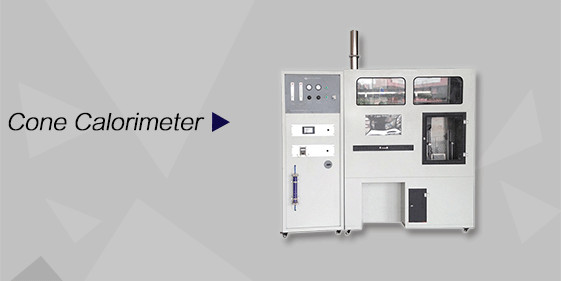
Cone Calorimeter
The import of American VTEC, cone calorimeter ultra high cost performance
more
-
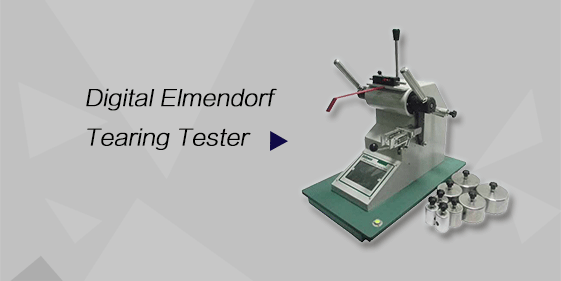
Digital Elmendorf Tearing Tester
Pendulum method test material tear strength, operating more simple, more accurate data
more
-
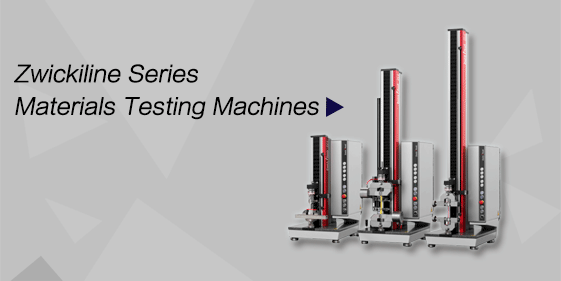
ZwickiLine Materials testing machines
Top of the world's leading universal material testing machine
more
Multifunctional Dynamic Scratch and Wear Tester
BACK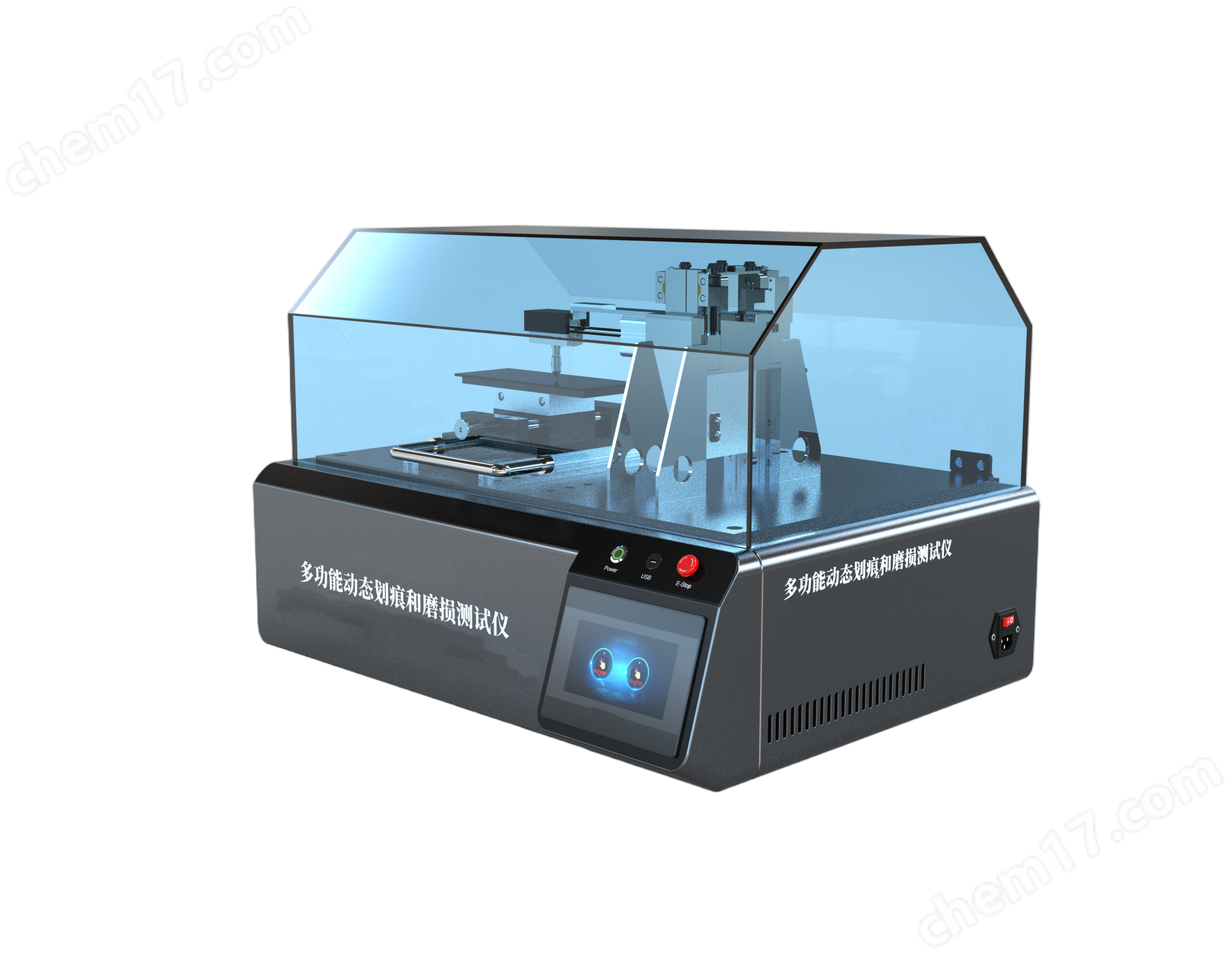


Standards:
(1) BMW GS 97034-8 – Automotive interior materials surface tilt test specification (2) BMW GS 97034-9 – Automotive interior materials surface scratch test specification (3) GB/T 23989-2009 – Determination of scratch resistance of coatings (4) GB/T 1768-2006 – Paint film wear resistance measurement (5) GB/T 12444-2006 – Metallic materials wear test method (6) ISO 7148 – Metallic materials – Friction and wear test method (7) ASTM G171 – Scratch hardness determination of materials (8) ASTM G133 – Reciprocating sliding wear test method (9) ASTM G99 – Pin-on-disk friction and wear test method (10) ASTM D7027 – Evaluation of scratch resistance of polymer coatings
Applications:
Primary applications
Scratch, wear, and impact resistance testing for materials and surfaces
Evaluation of automotive interior materials, polymers, and metal coatings
Laboratory research and product quality assurance
Testing of both flat and curved samples for industrial or consumer products
Typical tested products
Automotive interior panels and trims
Metal and polymer-coated components
Consumer products with protective surface coatings
Laboratory-prepared material samples
Product Information:
The Multifunctional Dynamic Scratch and Wear Tester is designed to evaluate the scratch, wear, and impact resistance of various materials and surfaces. It accommodates both laboratory samples and finished products, whether flat or curved. This versatile tester provides precise, repeatable testing under controlled loads and motion parameters, supporting research, quality control, and product validation across multiple industries.
Parameters
| Test Function | Technical Specification |
|---|---|
| Test Force Range | 0~30 N (adjustable in 1 N increments) |
| Stroke Length | Up to 120 mm |
| Test Line Speed | Up to 1500 mm/s |
| Cycle Count | 0~999.999.999 (programmable) |
| Sample Type | Sample A: Disk edge, radius 2.5 mmSample B: Pin tip |
| Working Stage | X-Y working test stage |
| Power Supply | AC 220 V, 50 Hz, 750 W |
Features
Dual control system: PLC + Windows, allowing system switching.
User-friendly interface: 12-inch embedded industrial computer with Chinese/English option.
Supports Wi-Fi connection to printers for automated reporting.
Real-time curve display for monitoring scratch and wear performance.
Capable of testing both flat and curved samples with interchangeable test heads and media.
Flexible programming for test mode, speed, stroke, and applied load.
Supports both wet and dry testing methods.
Accessories
(1) Various test heads for different surface types
(2) Sample clamps for flat and curved specimens
(3) Test media (textiles, abrasive pads, pins, or disks)
(4) User manual
Test Procedures
Sample Preparation
Secure the sample on the X-Y test stage using appropriate clamps.
Ensure curved samples are properly supported to avoid deformation.
Parameter Setting
Select test mode (scratch, wear, or impact) in software.
Program test speed, stroke length, applied load, and number of cycles.
Confirm testing medium or stylus is correctly installed.
Running the Test
Start the program; the tester executes pre-set motion patterns.
Monitor test curves and data in real-time.
Upon completion, the system automatically stops and returns to initial position.
Post-Test Evaluation
Inspect the sample surface for scratches, wear, or impact damage.
Export test data and generate reports as needed.
Maintenance Information
Regularly clean and inspect test heads and working stage.
Ensure mechanical guides and X-Y stage operate smoothly.
Calibrate load and motion parameters periodically for accuracy.
Replace worn or damaged test heads immediately.
Keep software updated for optimal functionality.
FAQ
1. What types of materials can you test with this instrument?
You can test polymers, metals, coated components, automotive interior panels, consumer products, and laboratory-prepared material samples.
2. Can the tester handle curved surfaces?
Yes, interchangeable test heads and adjustable clamps allow testing of curved as well as flat samples.
3. How is the test force applied and controlled?
Force is applied via precision-controlled actuators with adjustable range from 0–30 N, ensuring repeatable testing conditions.
4. Can this machine perform both scratch and wear testing?
Yes, it supports multiple test modes, including scratch, wear, and impact resistance, programmable in software.
5. Is real-time data monitoring available?
Yes, the integrated industrial computer displays real-time curves of force, speed, and displacement for analysis.
6. What is the maximum stroke length and speed?
The tester supports stroke lengths up to 120 mm and line speeds up to 1500 mm/s.
