




Search keywords:
product name, product type, model number,
test method, manufacturer, technique, application
-
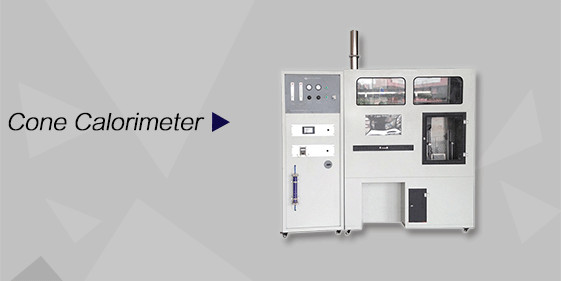
Cone Calorimeter
The import of American VTEC, cone calorimeter ultra high cost performance
more
-
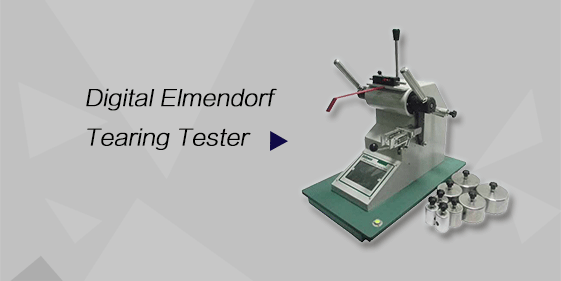
Digital Elmendorf Tearing Tester
Pendulum method test material tear strength, operating more simple, more accurate data
more
-
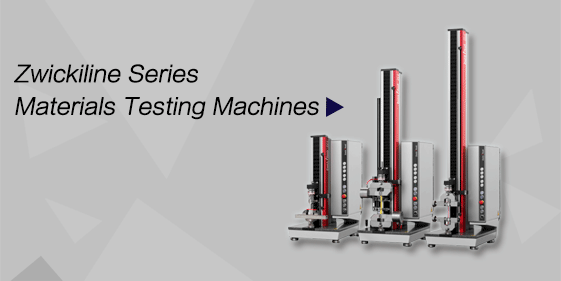
ZwickiLine Materials testing machines
Top of the world's leading universal material testing machine
more
Drum and Reciprocating Friction and Wear Testing Machine
BACK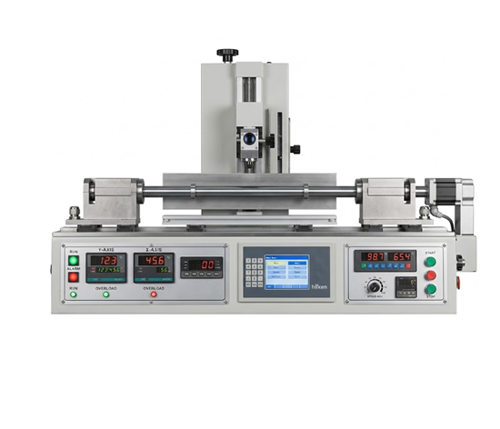


Standards:
ASTM G133 (Standard Test Method for Linearly Reciprocating Ball-on-Flat Sliding Wear) ISO 7148 (Plain Bearings — Testing of Friction and Wear) JIS K 7218 (Testing Methods for Plastic Tribological Properties) JIS P 8139 (Determination of Friction and Wear Properties of Paper and Board)
Applications:
This testing machine is suitable for friction and wear evaluation under both linear sliding and rotational contact conditions, including:
Reciprocating sliding friction and wear testing of flat samples
Drum rotation wear testing under simulated real-use conditions
Friction testing of photosensitive drums and paper-feeding rollers by rotating them as in actual equipment
Linear reciprocating sliding tests of paper and paperboard samples
Wear behavior evaluation of coatings, polymers, and functional surfaces
Typical test samples include:
Photosensitive drums and transport rollers
Paper, paperboard, and sheet materials
Coated plates and flat specimens
Functional rollers used in printing and conveying systems
Product Information:
The Drum and Reciprocating Friction and Wear Testing Machine is a dual-function tribological testing system designed to perform both linear reciprocating sliding tests and drum rotation wear tests. By combining conventional friction and wear measurement with rotating drum testing, the machine enables realistic simulation of actual operating conditions for rollers, drums, paper, and sheet materials, providing comprehensive evaluation of friction behavior and wear performance.
Parameters
| Parameter | Specification |
|---|---|
| Table size | W 110 mm × L 400 mm |
| Stage travel speed / distance | 30–6000 mm/min / 1–100 mm |
| Operating modes | Single mode, repeat mode |
| Automatic reciprocation count | Max. 9.999.999 cycles |
| Y-axis positioning stage | ±10 mm (reciprocating mode) |
| Drum / roller diameter | Ø10–90 mm |
| Drum fixing method | Dedicated clamping fixtures (customizable by shape) |
| Drum rotation direction / speed | Forward & reverse / 50–500 rpm (custom speeds available) |
| Drum rotation counter | Accumulated up to 9.999.999 cycles |
| Timed automatic stop function | Available, up to 9.999.999 cycles |
| Friction measurement | X, Y, Z directions (Z for vertical load monitoring) |
| Measurement range | Max. 9.8 N for all three directions |
| Vertical load | 1–1000 g (balance arm + weights) |
| 0–10 mm load sensor pressing method (max. 9.8 N) | |
| Pivot vertical movement | 0–150 mm |
| Strain amplifier output | 0–9.8 N = 0–5 V DC analog output |
| Limiter function | Automatic stop at preset friction force in reciprocating mode |
| Measurement position: longitudinal center of sample (drum mode only) | |
| Data analysis (optional) | General friction analysis software for X, Y, Z channels |
Features
Dual-purpose design enables both reciprocating sliding tests and drum rotation tests in a single system
Two loading methods available: traditional weight loading and load-sensor pressing method for drum testing
Real-time monitoring of fluctuating pressing loads during rotation tests
Smooth transition between drum mode and reciprocating sliding mode
Automatic stop function based on preset cycle count or friction force simplifies wear testing
Multi-axis friction measurement provides comprehensive tribological data
Accessories
(1) Sample fixing clamps (customizable upon request)
(2) Ball holder
(3) Blade holder
(4) Flat pressing head
(5) Scratch needle
(6) Weight set: 20 g, 50 g, 100 g, 200 g, 500 g, 1000 g
(7) Power cable
(8) Ground wire
(9) Operating manual
Test Procedures
Select the test mode: reciprocating sliding or drum rotation.
Install the appropriate fixture and securely mount the specimen.
Set the required vertical load using weights or load sensor.
Adjust the travel distance, speed, and cycle count or rotation speed.
Configure automatic stop conditions if required.
Start the test and monitor friction forces in X, Y, and Z directions.
Record and analyze friction and wear data during or after testing.
Maintenance Information
Clean fixtures, drums, and contact components after each test
Periodically inspect moving stages, bearings, and balance arms
Verify load accuracy and sensor performance regularly
Keep the instrument in a clean, dry environment
Calibrate measurement channels according to laboratory schedules
FAQ
1. What is the core advantage of this product?
Its dual-function design allows both reciprocating sliding and drum rotation wear tests using a single instrument.
2. Are the test results reliable?
Yes. Multi-axis friction measurement, stable loading mechanisms, and automatic control functions ensure repeatable and accurate results.
3. Which international or industry standards does it comply with?
The machine supports test methods related to ASTM, ISO, and JIS standards for friction and wear evaluation.
4. Why is this product important?
It enables realistic simulation of actual operating conditions, improving the accuracy of friction and wear assessment for functional components.
5. Which fields is this product suitable for?
It is suitable for printing equipment, paper and packaging industries, polymer and coating research, tribology laboratories, and quality control applications.
