




Search keywords:
product name, product type, model number,
test method, manufacturer, technique, application
-
Cone Calorimeter
The import of American VTEC, cone calorimeter ultra high cost performance
more
-
Digital Elmendorf Tearing Tester
Pendulum method test material tear strength, operating more simple, more accurate data
more
-
ZwickiLine Materials testing machines
Top of the world's leading universal material testing machine
more
Fan Energy Efficiency Testing Equipment
BACK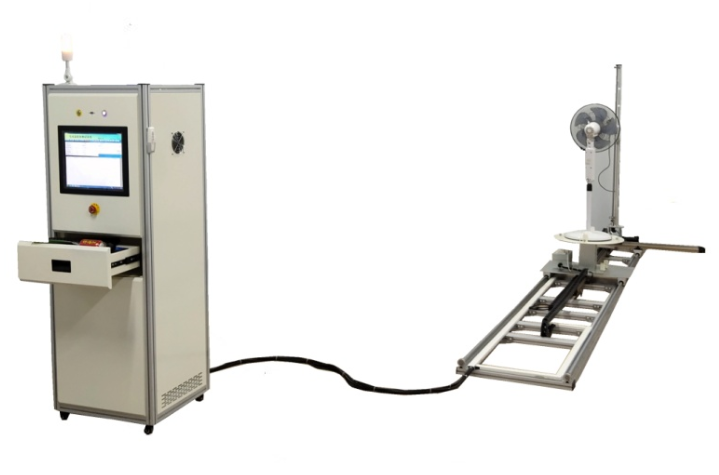


Standards:
Applications:
Energy efficiency evaluation of AC electric fans
Airflow measurement for performance verification
Compliance testing per national energy efficiency regulations
R&D and quality control in fan manufacturing
Certification laboratories and regulatory institutions
Product Information:
The Fan Energy Efficiency Testing Equipment is designed for precise measurement and evaluation of electric fan airflow and energy efficiency values in accordance with IEC60879-2019. GB/T13380-2018. and GB12019-2008 standards. You use this system to determine compliance with national energy efficiency regulations for AC electric fans. The equipment integrates a test chamber, standardized test screen, advanced control system, and airflow acquisition system. Mitsubishi PLC and industrial computer control ensure real-time monitoring, accurate data collection, high repeatability, and efficient storage of all relevant parameters. Test data can be exported via USB for reporting and analysis.
Standards
IEC 60879:2019 – Methods of Measuring the Performance of Electric Fans
GB/T 13380-2018 – AC Electric Fans and Speed Controllers
GB 12019-2008 – Energy Efficiency Limits and Energy Efficiency Grades for AC Electric Fans
ISO 5801:2017 – Industrial Fans – Performance Testing Using Standardized Airflow Measurement Methods
EN 50564:2011 – Measurement of Standby Power of Electrical and Electronic Appliances
Features
Accurate and repeatable airflow and energy efficiency measurements
High-efficiency data acquisition and automatic recording
Multi-parameter monitoring including voltage, current, power, rotational speed, and environmental conditions
PLC + touchscreen control enables intuitive operation and parameter configuration
Flexible test setup adaptable for floor fans, table fans, and ceiling fans
Supports USB export for reporting and data analysis
Technical Parameters
| Name | Specification (Unit: mm) | Category |
|---|---|---|
| Table Fan | 250. 300. 350. 400. 450 | Table Fan |
| Ceiling Fan / Decorative Fan | 900. 1050. 1200. 1400. 1500 | Ceiling & Decorative Fan |
| Pedestal Fan | 300. 350. 400. 450 | Pedestal Fan |
| Bladeless Fan | 300. 350. 400. 450 | Bladeless Fan |
| Tower Fan | 300. 350. 400. 450 | Tower Fan |
| Column Fan / Tower Fan | 300. 350. 400. 450 | Column & Tower Fan |
| Air Circulator | 300. 350. 400. 450 | Air Circulator |
Accessoriess
(1) Mitsubishi PLC and industrial computer control module
(2) 17-inch touchscreen display
(3) Standardized test screen per relevant standards
(4) Airflow acquisition sensors and data logger
(5) Adjustable mounting fixtures for floor, table, and ceiling fans
Test Procedures
1.You position the fan within the test chamber and fix it securely on the mounting fixtures.
2.Configure the X, Y, Z axis travel, test height, and movement speed via the touchscreen interface.
3.Input electrical parameters such as voltage, current, and fan speed settings.
4.Initiate the test; the system automatically monitors airflow, power consumption, rotational speed, and environmental conditions.
5.Once the test is complete, review data on the touchscreen and export test reports via USB.
6.Clean and prepare the chamber and fixtures for the next test.
Conclusion
The Fan Energy Efficiency Testing Equipment provides accurate, repeatable, and efficient evaluation of AC electric fan performance and energy consumption. With real-time monitoring of airflow, power, and environmental parameters, it allows you to ensure compliance with national energy efficiency standards and optimize fan design and production. This system is suitable for manufacturers, laboratories, and certification bodies requiring precise, reliable, and standardized fan performance testing.
FAQ
1. Which types of fans can be tested on this equipment?
You can test floor fans, table fans, ceiling fans, and other AC electric fan models.
2. How is energy efficiency calculated?
The system measures airflow and power consumption in real time and calculates efficiency according to GB/T13380-2018 and GB12019-2008 standards.
3. Can the system handle multiple environmental conditions?
Yes, temperature and humidity are monitored continuously during testing to ensure accurate airflow and efficiency measurements.
4. How is test data recorded and exported?
All test parameters are automatically recorded by the PLC and industrial computer system. Data can be exported via USB for reporting and analysis.
5. Is the test chamber supplied with the equipment?
No, the test chamber is provided by the customer, with minimum dimensions of 6.5 × 6.5 × 4 meters.
6. How is the fan mounted during testing?
Adjustable mounting fixtures accommodate floor, table, or ceiling fans and ensure stability throughout the test.
7. Can the system be used for R&D and compliance testing?
Yes, it is suitable for both research & development as well as regulatory compliance testing for energy efficiency and airflow performance.
8. How often should calibration be performed?
You should calibrate voltage, current, and airflow sensors at least annually, or per local regulatory requirements, to ensure measurement accuracy.
