




Search keywords:
product name, product type, model number,
test method, manufacturer, technique, application
-
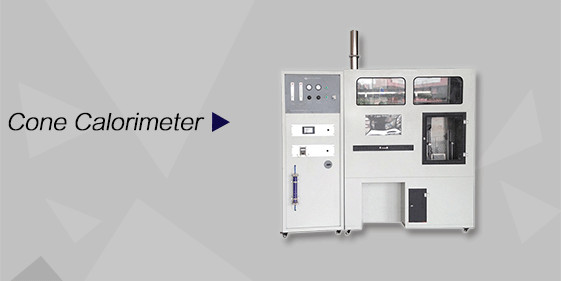
Cone Calorimeter
The import of American VTEC, cone calorimeter ultra high cost performance
more
-
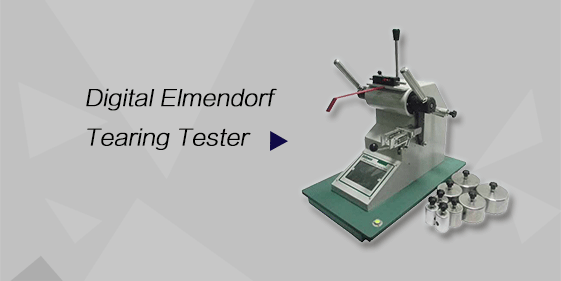
Digital Elmendorf Tearing Tester
Pendulum method test material tear strength, operating more simple, more accurate data
more
-
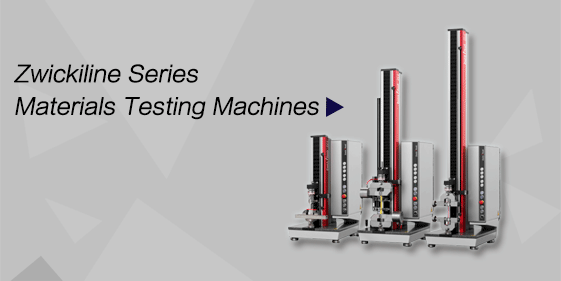
ZwickiLine Materials testing machines
Top of the world's leading universal material testing machine
more
Edge-Following Test Equipment for Robotic Vacuum Cleaners
BACK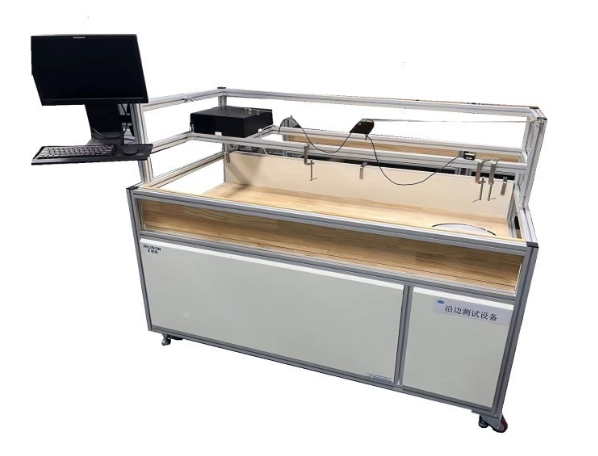


Standards:
Applications:
Evaluating edge-following capabilities of robotic vacuum cleaners
Testing obstacle avoidance and navigation efficiency
Conducting quality control for robotic vacuum cleaner production
Supporting R&D development for autonomous cleaning devices
Use in certification laboratories and testing institutions
Product Information:
The Edge-Following Test Equipment for Robotic Vacuum Cleaners is designed to evaluate and record the edge-following and obstacle avoidance capabilities of robotic vacuum cleaners. You use this system to measure minimum obstacle avoidance distances, movement patterns, and speed within a defined test space. Equipped with a high-definition recording camera and data acquisition system, the equipment automatically captures and exports test results via USB for analysis. The system is compliant with international standards, offering accurate, repeatable, and reliable assessment of robotic vacuum cleaner navigation and edge-following performance.
Standards
GBT 40229-2021 – Testing Method for Robotic Vacuum Cleaner Edge-Following and Obstacle Avoidance
IEC 62849-2016 – Household and Similar Robotic Cleaning Appliances – Methods for Measuring Navigation and Edge Following Performance
ISO 9241-210:2019 – Human-Centred Design for Interactive Systems (for usability testing applications)
GB/T 28291-2012 – General Requirements and Test Methods for Robotic Cleaning Appliances
Features
Accurately measures edge-following distances and speeds
Captures and records movement patterns with high-resolution video
Configurable test duration and cycles to simulate extended operation
Displays results on a 2D plane with numerical outputs
Supports multiple test surface colors for realistic evaluation
High-speed data acquisition ensures precise measurement of robotic navigation
Technical Parameters
| Item | Specification |
|---|---|
| Test Stations | Single station |
| Test Board | Pine board |
| Sampling Rate | ≥ 10 KHz |
| Detection & Timing | 0–999999 hours/minutes/seconds (adjustable) |
| Test Count | 0–999999 (settable) |
| Display Graph | 2D plane |
| Test Data Display | Numerical value |
| Test Side Plate | Pine board |
| Color Plates | Black, natural wood color, white, 18% gray |
| Control Method | 17-inch display + industrial computer control |
| Data Export Method | USB |
| Power Supply | 220V 50Hz, 1.5KW |
Accessoriess
(1) Test signal generator
(2) High-definition recording camera
(3) Test base and base plate
(4) Data acquisition control system
(5) 17-inch industrial control computer with touchscreen
(6) Color panel sets for varied surface testing
Test Procedures
1.Secure the robotic vacuum cleaner on the test base.
2.Select test parameters including test duration, number of cycles, and surface color via the touchscreen interface.
3.Initiate the test; the system will record movement paths, speeds, and edge-following distances.
4.Monitor the test in real-time using the 2D display and high-definition camera.
5.Upon completion, export numerical and visual data via USB for analysis.
6.Clean and reset the test station for the next evaluation cycle.
Conclusion
The Edge-Following Test Equipment for Robotic Vacuum Cleaners provides precise, repeatable, and reliable evaluation of navigation and edge-following performance. By simulating real operational conditions and capturing both visual and numerical data, you can ensure your robotic vacuum cleaners meet international performance standards. This system is ideal for manufacturers, R&D teams, and testing laboratories requiring high-precision assessment of obstacle avoidance and edge-following capabilities.
FAQ
1. What types of robotic vacuum cleaners can be tested?
You can test robotic vacuum cleaners of various sizes, including domestic and commercial models.
2. Which international standards does this equipment comply with?
GBT 40229-2021. IEC 62849-2016. ISO 9241-210:2019. and GB/T 28291-2012.
3. How is test data recorded and exported?
The system captures numerical data and movement patterns in real-time, which can be exported via USB for analysis.
4. Can test parameters such as duration and cycles be adjusted?
Yes, both test duration and cycles are fully configurable to simulate different operational scenarios.
5. How is edge-following distance measured?
Edge-following distance is recorded using the high-definition camera and test signal generator, with data processed by the industrial control computer.
6. Can different floor surfaces or colors be simulated?
Yes, the system supports black, white, natural wood, and 18% gray test panels for realistic evaluation.
7. What is the data acquisition speed?
The system acquires data at ≥10 kHz, ensuring accurate capture of rapid movements.
