




Search keywords:
product name, product type, model number,
test method, manufacturer, technique, application
-
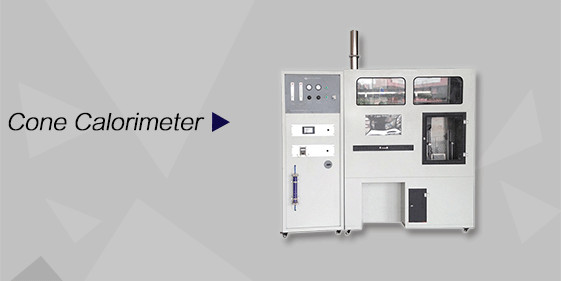
Cone Calorimeter
The import of American VTEC, cone calorimeter ultra high cost performance
more
-
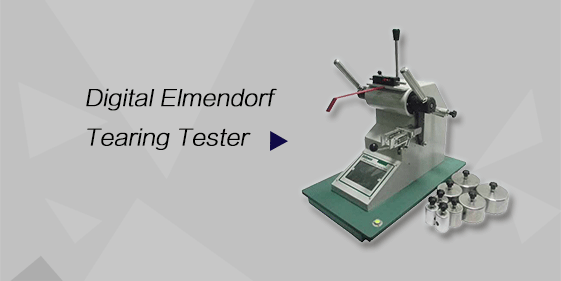
Digital Elmendorf Tearing Tester
Pendulum method test material tear strength, operating more simple, more accurate data
more
-
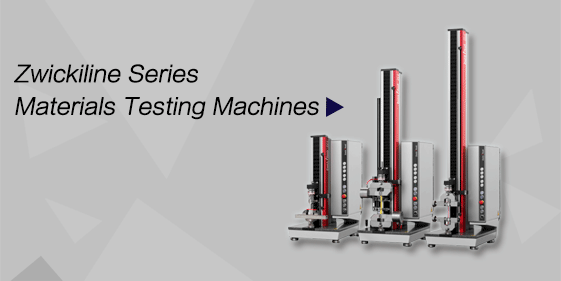
ZwickiLine Materials testing machines
Top of the world's leading universal material testing machine
more
Automotive Lamp Air Tightness Tester
BACK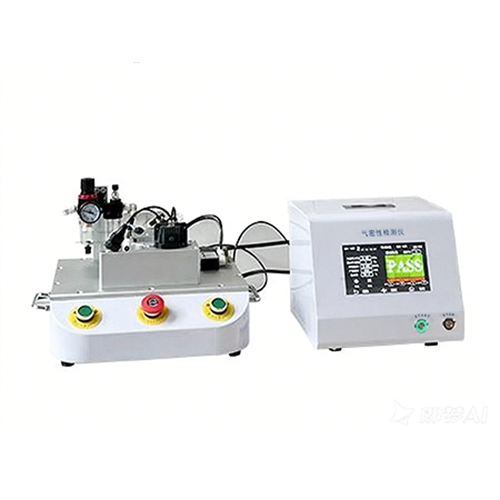


Standards:
Applications:
(1) Air tightness testing of automotive lamps including headlights, tail lights, and turn signals.
(2) Leak detection for lamp housings, seals, and connectors.
(3) Verification of waterproof (IP67/IP68) and dustproof (IP6X) performance.
(4) Quality control in automotive lighting production lines.
(5) Suitable for OEMs, suppliers, and automotive testing laboratories.
Product Information:
The Automotive Lamp Air Tightness Tester is designed to evaluate the sealing performance of vehicle lighting systems. It uses a positive pressure method to detect leakage in lamp housings, ensuring compliance with IP67/IP68 waterproof and IP6X dustproof requirements. The system provides high-precision leak detection (≤0.1 ml/min), enabling rapid identification of defects such as housing cracks and seal aging.
Standards
(1) IEC 60529 – Degrees of protection (IP Code)
(2) ISO 20653 – Road vehicles – Degrees of protection (IP code)
(3) GB/T 4208 – Enclosure protection classification (reference)
Parameters
| Parameter | Specification |
|---|---|
| Gas Source | Compressed air |
| Gas Source Pressure | 0.2–0.8 MPa |
| Test Medium | Nitrogen |
| Test Pressure | 0–1 MPa (customizable) |
| Pressure Accuracy | 0.1 bar |
| Leak Rate Accuracy | ≤0.1 ml/min |
| Test Temperature | Ambient |
| Test Stations | 1 |
| Control Mode | Manual or computer control |
Features
(1) Positive pressure testing method ensures accurate leak detection.
(2) Adjustable pressure holding time, pressure value, and pressure drop duration.
(3) Fast and stable pressurization with automatic pressure compensation.
(4) Real-time data acquisition and pressure curve display via computer control.
(5) High sensitivity enables detection of micro-leaks in lamp assemblies.
(6) Data storage and report generation for quality traceability.
(7) Customizable fixtures and pressure ranges for different lamp types.
Accessories
(1) Sealing fixtures for various automotive lamp types.
(2) Pressure sensors and regulators.
(3) Computer control system with data acquisition software.
(4) Calibration tools for pressure and leak rate verification.
Test Procedures
(1) Place the lamp specimen in the test fixture and ensure proper sealing.
(2) Set test parameters including pressure, holding time, and allowable leakage.
(3) Introduce compressed air or nitrogen into the lamp cavity.
(4) Maintain pressure and monitor pressure drop or leakage rate.
(5) Analyze real-time data and determine pass/fail criteria.
(6) Generate and export test reports for documentation.
Maintenance Information
(1) Regularly check seals and pipelines for leakage or wear.
(2) Calibrate pressure sensors periodically to maintain accuracy.
(3) Keep the system clean and free from dust or contaminants.
(4) Inspect fixtures to ensure proper sealing during tests.
(5) Maintain stable air supply and verify gas purity when using nitrogen.
Conclusion
The Automotive Lamp Air Tightness Tester provides a reliable and precise solution for detecting leakage in automotive lighting systems. With high sensitivity, flexible control modes, and automated data processing, it ensures compliance with IP protection standards and enhances product quality and reliability.
FAQ
(1) What is this product?
It is a testing system used to evaluate the air tightness and sealing performance of automotive lamps.
(2) What is this product used for?
It is used to detect leaks and verify waterproof and dustproof performance of vehicle lighting systems.
(3) What is the working principle of this product?
The system applies compressed gas into the lamp cavity and measures pressure drop or leakage rate to determine sealing integrity.
(4) Why is this product important?
It ensures automotive lamps meet IP protection standards, reducing failure rates and improving product reliability.
(5) What industries is this product suitable for?
Automotive OEMs, lighting manufacturers, quality inspection laboratories, and certification bodies.
