




Search keywords:
product name, product type, model number,
test method, manufacturer, technique, application
-
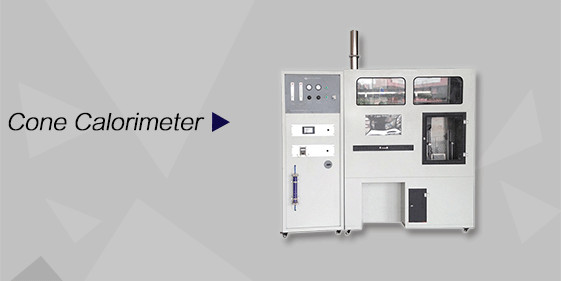
Cone Calorimeter
The import of American VTEC, cone calorimeter ultra high cost performance
more
-
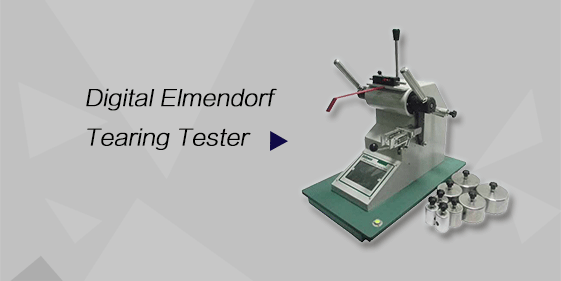
Digital Elmendorf Tearing Tester
Pendulum method test material tear strength, operating more simple, more accurate data
more
-

ZwickiLine Materials testing machines
Top of the world's leading universal material testing machine
more
Textile moisture absorption and heat generation performance tester
BACK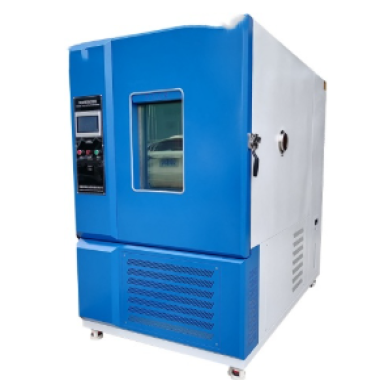


Standards:
Applications:
This instrument is suitable for measuring the moisture-absorption-induced heat generation of various textile materials. It is commonly used for:
Functional thermal underwear
Sports and outdoor performance fabrics
Fiber and yarn development evaluation
Fabrics with hygroscopic–exothermic treatments
Winter apparel and insulation materials
Bedding, mattress toppers, quilt fillings
Medical textiles requiring thermal response
Research and teaching in textile engineering
R&D of smart temperature-adaptive fabrics
It provides essential data for manufacturers, research institutes, inspection bodies, and textile laboratories requiring accurate moisture-induced thermal performance testing.
Product Information:
The Textile Moisture Absorption and Heat Generation Performance Tester is a professional laboratory instrument designed to evaluate the thermal response of textiles when absorbing moisture. By simulating real-use humidity and airflow conditions, the tester measures temperature rise, heat-release characteristics, and thermal comfort performance of fabrics, fibers, yarns, and finished garments. It is widely used in the development and quality control of moisture-absorbing and heat-generating functional textiles, including thermal underwear, sportswear, outdoor apparel, bedding materials, and smart temperature-regulating fabrics.
Standards
GB/T 29866-2013 – Test method for moisture absorption and heat generation performance of textiles
FZ/T 73036-2010 – Moisture absorption and heat-generating thermal underwear standard
Features
(1) High-precision thermal measurement
Fast-response sensors accurately capture temperature rise during moisture absorption.
(2) Controlled environmental simulation
Stable control of humidity, airflow, and temperature ensures repeatable test conditions.
(3) Multi-sample testing
Supports multi-channel testing (e.g., 4 channels) to improve laboratory efficiency.
(4) Stable and uniform chamber design
Optimized airflow and thermal insulation maintain consistent environmental conditions.
(5) User-friendly operation
Digital display, programmable test time, and intuitive interface ensure easy operation.
Parameters
| Parameter | Specification |
|---|---|
| Temperature Rise Range | 0–100 °C |
| Temperature Resolution | 0.01 °C |
| Temperature Fluctuation | ≤ ±0.5 °C |
| Relative Humidity Range | 30%–90% ± 3% |
| Air Velocity | 0.3–0.5 m/s (adjustable) |
| Test Time Range | 0 min 01 s – 99 min 59 s |
| Time Resolution | 1 second |
| Detection Channels | 4 channels |
| Chamber Size | 350 × 300 × 400 mm (W×D×H) |
| Chamber Material | Stainless steel with thermal insulation |
| Environmental Control System | Heating, humidification, refrigeration, air circulation |
| Power Supply | AC 220V / 50Hz |
Accessories
Standard textile test holders
Sample mounting clips
Humidity sensor module
Temperature rise detection probes
Calibration tools
Power cable and user manual
Test Procedures
(1) Prepare and condition the textile sample according to standard requirements.
(2) Place the sample in the test chamber and secure it on the sample holder.
(3) Set humidity, airflow, and test time parameters.
(4) Initiate the test and allow the system to simulate moisture absorption and heat generation.
(5) Record the temperature rise curve and calculate performance metrics.
(6) Export or document test results for analysis and reporting.
Maintenance
Clean the inner chamber regularly to ensure accurate humidity and temperature control.
Check and calibrate temperature and humidity sensors on a scheduled basis.
Inspect heating, humidifying, and refrigeration components for stable performance.
Replace worn seals to maintain airtightness and chamber stability.
Keep the instrument in a clean, dry environment to prevent corrosion or contamination.
