




Search keywords:
product name, product type, model number,
test method, manufacturer, technique, application
-
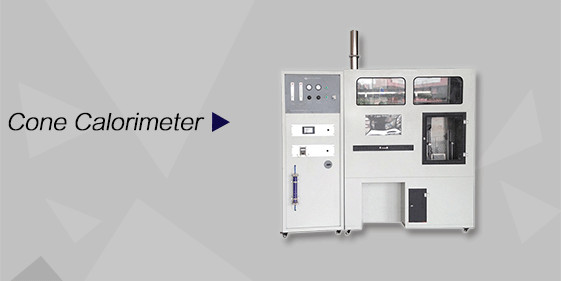
Cone Calorimeter
The import of American VTEC, cone calorimeter ultra high cost performance
more
-
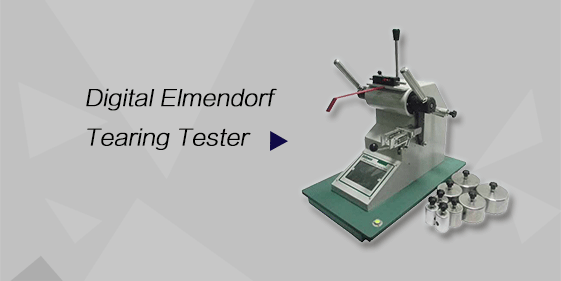
Digital Elmendorf Tearing Tester
Pendulum method test material tear strength, operating more simple, more accurate data
more
-
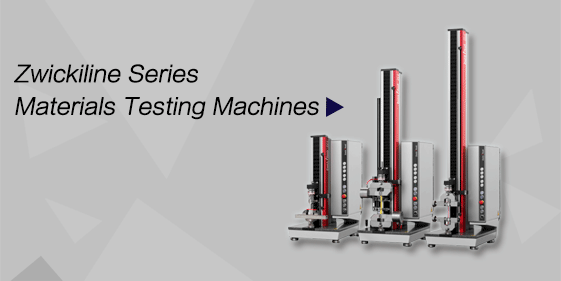
ZwickiLine Materials testing machines
Top of the world's leading universal material testing machine
more
Flooring Materials Abrasion Resistance Tester
BACK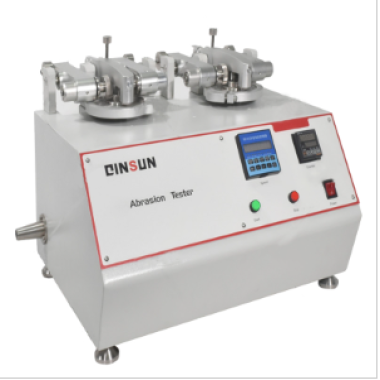


Standards:
Applications:
You can use this tester to determine abrasion resistance and surface durability under controlled conditions. Typical applications include:
(1) Testing residential and commercial flooring materials such as carpets, vinyl, and laminates.
(2) Evaluating industrial flooring surfaces exposed to high foot traffic or mechanical wear.
(3) Quality control in flooring manufacturing plants.
(4) Research and development of new flooring coatings or protective treatments.
(5) Certification and compliance testing for ASTM, ISO, EN, or Taber standard requirements.
This instrument is suitable for flooring manufacturers, textile labs, R&D centers, and inspection institutions.
Product Information:
The Flooring Materials Abrasion Resistance Tester is designed to evaluate the wear resistance of various flooring materials, including tiles, carpets, laminates, and vinyl. By simulating real-world abrasion conditions, this instrument provides precise and repeatable measurements of surface durability, helping manufacturers, laboratories, and quality control facilities ensure compliance with international standards such as ASTM, ISO, and EN.
Standard
ASTM D3884 (Abrasion Resistance of Textile Fabrics)
ISO 5470-1 (Rubber or Plastics-Coated Fabrics - Abrasion Resistance)
EN 660-2 (Abrasion Resistance of PVC Floor Coverings)
Taber Standard (Abrasion Testing for Coated Surfaces)
Advantages
Unmatched Precision
Equipped with a high-resolution load sensor (±0.1N accuracy) and programmable test cycles, delivering repeatable results for rigorous quality assurance.
Intuitive Operation
7-inch touchscreen control panel with multilingual support (English, Spanish, German, Chinese) and real-time data visualization for effortless test management.
Robust Engineering
Constructed with stainless steel and corrosion-resistant components, ensuring longevity even in demanding industrial environments.
Adaptive Testing Capabilities
Supports rotary, linear, and reciprocating abrasion methods to replicate diverse real-world wear scenarios, from residential to heavy industrial use.
Cost-Effective Maintenance
Modular design allows easy replacement of consumables (e.g., abrasive wheels, clamps), minimizing downtime and operational costs.
Features
Customizable Testing Parameters:
Adjustable test speed (10–120 rpm) and load pressure (1–50 N) to simulate light foot traffic to extreme industrial conditions.
Automatic cycle counter with pause/resume functionality for uninterrupted testing workflows.
Safety and Compliance:
Equipped with an emergency stop button, over-temperature protection, and CE/UL certification for safe and reliable operation.
Data Management:
Onboard memory stores over 10.000 test results, exportable via USB/Bluetooth in CSV/PDF formats for seamless data integration.
Universal Fixtures:
Interchangeable clamps accommodate tiles, carpets, laminates, and vinyl flooring (max. sample size: 300×300 mm).
Accessories
Standard Abrasive Wheels (2 pcs): Taber H-18 (general-purpose) and CS-17 (delicate surfaces).
Sample Clamps (3 sets): Designed for flat, curved, and irregularly shaped flooring materials.
Dust Cover: Transparent acrylic shield for operator safety during testing.
Calibration Kit: Precision weight set and gauge for routine equipment verification.
User Manual & Software: Multilingual digital guide + PC software for advanced data analysis and reporting.
Technical Parameters
| Parameter | Specification |
|---|---|
| Test Speed Range | 10–120 rpm (±1 rpm) |
| Load Capacity | 1–50 N (adjustable in 0.1N increments) |
| Sample Thickness | Up to 20 mm |
| Abrasive Wheel Diameter | 150 mm (standard Taber H-18/CS-17) |
| Power Supply | 110V/220V, 50/60Hz, 300W |
| Dimensions (L×W×H) | 600×450×800 mm |
| Weight | 85 kg |
| Operating Environment | 15–35°C, ≤85% RH (non-condensing) |
Test Procedures
(1) Secure the sample in the appropriate clamp and position it under the abrasive wheel.
(2) Set test speed and load according to material type and standard requirements.
(3) Start the test using the touchscreen interface; monitor cycles and progress.
(4) Upon completion, record abrasion values and generate reports via software.
(5) Clean the sample area and abrasive wheels before the next test.
Maintenance Information
Regularly clean abrasive wheels and clamps to prevent residue buildup.
Check load sensor calibration periodically.
Inspect electrical and mechanical connections for wear or corrosion.
Store the instrument in a dry environment to maintain longevity.
Replace consumables promptly to ensure testing accuracy.
Conclusion
The Flooring Materials Abrasion Resistance Tester delivers precise, repeatable, and standardized measurement of surface wear resistance for flooring materials. Its versatile testing modes, robust construction, and compliance with ASTM, ISO, and EN standards make it essential for laboratories, manufacturers, and R&D facilities focusing on material durability.
FAQ
(1) What is this product?
It is a tester that measures the abrasion resistance of flooring materials such as tiles, carpets, and laminates.
(2) What is this product used for?
It evaluates surface durability, wear resistance, and helps ensure compliance with international standards.
(3) How does this product work?
A controlled abrasive wheel or pad applies friction to the material under specified load and speed, simulating real-world wear.
(4) Why is this product important?
It ensures flooring materials meet quality and durability requirements before use in residential, commercial, or industrial environments.
(5) Which industries is this product suitable for?
Flooring manufacturers, textile labs, R&D centers, certification bodies, and quality control facilities.
