




Search keywords:
product name, product type, model number,
test method, manufacturer, technique, application
-
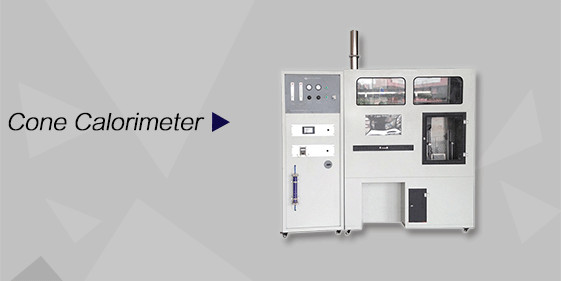
Cone Calorimeter
The import of American VTEC, cone calorimeter ultra high cost performance
more
-
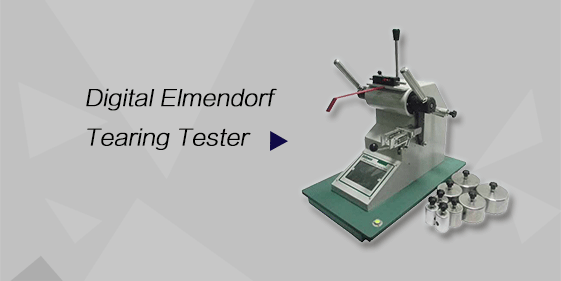
Digital Elmendorf Tearing Tester
Pendulum method test material tear strength, operating more simple, more accurate data
more
-
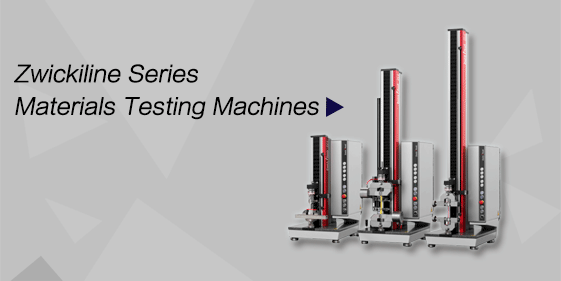
ZwickiLine Materials testing machines
Top of the world's leading universal material testing machine
more
Automotive Wire Low-Temperature Winding Tester
BACK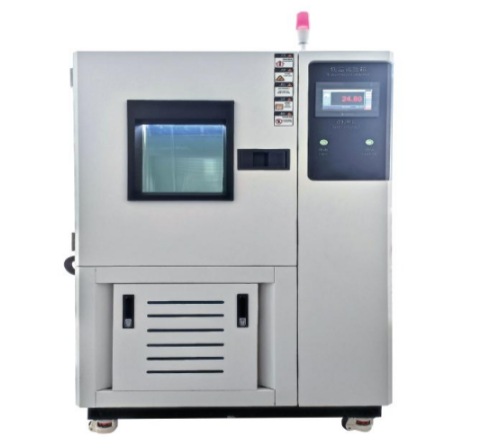


Standards:
Applications:
Low-temperature adaptability testing of wires, cables, and electrical components.
Assessment of electrical insulation, conductor performance, and mechanical durability at sub-zero temperatures.
Suitable for quality control in electrical, electronics, and instrumentation industries.
Evaluates product reliability during storage, transportation, and operation in extreme temperature environments.
Can be used to assess resistance to corrosive conditions when combined with chemical exposure tests.
Product Information:
The Automotive Wire Low-Temperature Winding Tester is designed for evaluating wires, cables, and electrical accessories under low-temperature conditions. It supports low-temperature impact, bending, and winding tests to assess the performance of products in cold environments, ensuring electrical and mechanical reliability.
Standards
GB/T 2951.14-2008 (Low-temperature dynamic bending of wires and cables)
GB/T 5023.1-2008 (Electric cables – General test methods)
ISO 6722 (Road vehicles – Electrical cables)
ISO 14572 (Automotive wire bending tests)
ISO 19642 (Low-voltage insulated cables – Cold performance)
SAE J1128 (Low-voltage automotive cables)
QC/T 730 (Automotive wire testing)
JASO D611-2009 (Japanese automotive wire standard)
Parameters
| Parameter | Specification |
|---|---|
| Working Temperature | -40℃ ±1℃ |
| Mandrel Diameter | D ≈ 4–5 × wire diameter |
| Low-Temperature Sample Diameter | Φ2.5–12.5 mm |
| Winding Speed | 1 turn / 6 seconds |
| Samples per Run | 1–2 pieces |
| Winding Rod Diameters | Φ2.5. Φ4. Φ5. Φ6. Φ7. Φ10. Φ12. Φ14. Φ16. Φ18. Φ20. Φ24. Φ32. Φ35. Φ38. Φ50 mm (17 rods total) |
| Through-Line Sleeves | Φ1.2. Φ2. Φ2.5. Φ3.5. Φ5. Φ6. Φ10. Φ12. Φ14.5. Φ16 mm |
| Sample Winding Turns | 2–5 turns; winding time set according to mandrel diameter (max 36s) |
| Operation Mode | Electric |
| Power Supply | AC 220V ±10%, 20A, 50Hz |
Features
Electric-driven winding ensures precise control and repeatable test results.
Supports multiple mandrel sizes and through-line sleeves for diverse wire diameters.
Accurately simulates low-temperature bending and winding conditions.
Adjustable winding time according to wire size prevents sample damage.
Provides reliable data for both electrical and mechanical performance assessments.
Accessories
(1) Mandrels (17 sizes)
(2) Through-line sleeves (10 sizes)
(3) Electric drive motor
(4) Low-temperature chamber
(5) Control panel with adjustable winding settings
Test Procedures
Precondition wire samples at the target low temperature.
Select the appropriate mandrel and through-line sleeve based on wire diameter.
Mount the wire on the mandrel and set winding parameters (speed, turns, and time).
Activate the electric drive to perform winding and low-temperature bending.
Observe wire behavior and record any insulation cracks, conductor breaks, or deformation.
Repeat for additional samples as needed.
Maintenance Information
Keep the low-temperature chamber clean and frost-free.
Inspect mandrels, sleeves, and drive components regularly.
Periodically calibrate temperature and timing controls.
Lubricate moving parts according to manufacturer instructions.
Conclusion
The Electric Low-Temperature Tensile Winding Impact Tester provides accurate, repeatable testing for wires, cables, and electrical accessories under cold conditions, ensuring both mechanical and electrical reliability.
FAQ
(1) What is this product?
It is a low-temperature tester for evaluating winding, bending, and mechanical behavior of wires and cables.
(2) What is this product used for?
It evaluates the durability, insulation integrity, and adaptability of wires and cables in sub-zero conditions.
(3) What is the working principle of this product?
Samples are mounted on mandrels and subjected to electric-driven winding in a low-temperature chamber, simulating cold bending conditions while monitoring performance.
(4) Why is this product important?
It ensures automotive and electrical wires maintain mechanical integrity and insulation performance in extreme cold environments.
(5) What industries is this product suitable for?
Automotive wire manufacturing, electrical cable production, electronics, instrumentation, and laboratory testing facilities.
