




Search keywords:
product name, product type, model number,
test method, manufacturer, technique, application
-
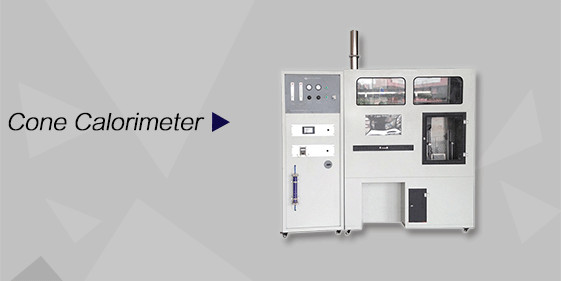
Cone Calorimeter
The import of American VTEC, cone calorimeter ultra high cost performance
more
-
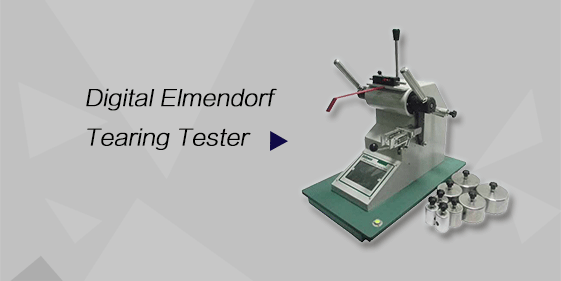
Digital Elmendorf Tearing Tester
Pendulum method test material tear strength, operating more simple, more accurate data
more
-
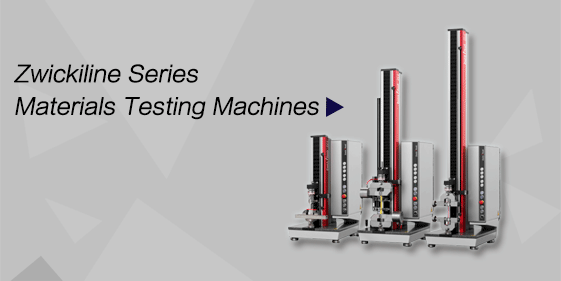
ZwickiLine Materials testing machines
Top of the world's leading universal material testing machine
more
Limiting Oxygen Index Tester
BACK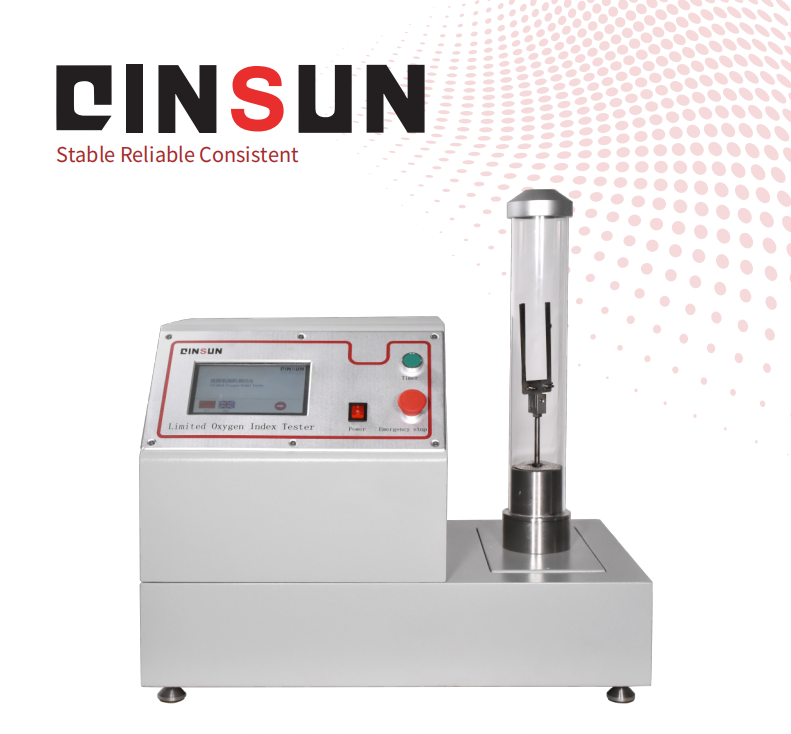


Standards:
Applications:
This instrument measures the minimum oxygen volume percentage concentration at just required for maintaining combustion of the polymer.it is suitable for a wide range of materials by changing the sample fixture used in a variety of mechanical properties of the sample.lt can be used for the determination of burning performance of plastics, rubber, fiber, foam, film, textile and wood.
It is applicable to the performance verification of new products, quality control of the production department, and the of material properties for the third-party testing organization, the product performance verification laboratory, and the quality and technical supervisiondepartment, etc.
Product Information:
The Limiting Oxygen Index Tester measures the minimum oxygen concentration needed to sustain combustion of solid materials like textiles and plastics. Samples are fixed vertically in a transparent cylinder with an oxygen-nitrogen mixture, ignited at the top, and observed for combustion characteristics. By comparing burn time or length against limits, the ultimate oxygen index is determined, offering an efficient, user-friendly method for material research and quality control.
Standards
GBT 2406.1 Plastics Test of burning behaviour by oxygen index-Part 1: guideline;GBT 2406.2 Plastics Test of burning behaviour by oxygen index -Part 2: Indoor-temperature test;
GBT 5454 Textiles Performance test of burning by oxygen index;
GBT 10707 Rubber Performance test of burning behaviour;
ISO 4589-2 Plastics Test of burning behaviour by oxygen index -Part 2: Indoor-temperature test;
ASTM -- D2863 Standard Test Method for Measuring the Minimum Oxygen Concentration of material combustion which is similar to plastics material (Oxygen Index);
IS0 4589-3 (Please inquire separately for the apparatus for the
ISO 4589-2 " Plastics -- Determination of burning behaviour by oxygen index -- Part 2: Ambient-temperature test”
NES 714. EN 45545-2.JIS 7201. BS 2782. etc.,
Features
Imported sensorsImported Paramagnetic oxygen concentration sensor with high precision and stable performance.Real-time detection of oxygen concentration with PLC precise control so that can adjust the oxygen concentration through the airflow.
Flexible fixture design
The fixture is made of refractory and stainless material, which can resist high temperature and rust.It can hold various samples.By replacing the sample holder, the sample requirements of different characteristics can be fulfilled.
Linited Oxygmn Indes Testet
Intelligent touch operation 7-inch color screen, intelligent touch, multi-touch operating system, convenient operation, multi-language display, switching between
Chinese and English.Simplified operation interface, easy to operate
Quick change structural design
The test tube of this instrument which is made of high temperature resistant transparent glass combing with the base adopts quick change design to clearly observe the combustion situation in the test. Moreover, it is easy to clean after the test. The stainless steel base can avoid the influence of various corrosion on the test data, and its service life is long.
Parameters
| Operating mode: Full color touch screen control |
Control range:0~100%, ±0.2% |
| Language:Chinese-English interface |
Inlet air pressure:≤1MPa |
| Burner:Inner Radius79mm;height500mm |
test air pressure:0.15-0.2MPa |
| Glass beads: 4mm,height 80-100mm |
Gas flow rate: 12.01L/min |
| Igniter inner diameter:2mm |
Dimension:700 mmx750mmx460 mm |
| Igniter length:400mm |
Weight:45kg |
| Air inlet: 7mm |
Power supply:220V 50Hz |
Test Procedure
Install the sample and adjust the burner angle.Adjust the O₂/N₂ flow rate to the initial concentration (e.g., 18% or 25%).
Ignite the sample and record the burning time or flame front position.
Adjust the oxygen concentration based on the burning behavior, and repeat the test until the accuracy requirements are met (the difference between three test results < 0.5%).
Result Analysis: Calculate the average of the three oxygen concentrations to determine the LOI value of the material.
Safety Precautions
Personal Protective Equipment: Operators must wear safety glasses and gloves to avoid injury from smoke or flames.
Gas Management:
The purity of the oxygen cylinder must be calibrated regularly, and the nitrogen cylinder pressure should not be less than 1MPa.
Adjust the flow rate evenly to avoid sudden changes in gas pressure.
Equipment Maintenance:
Regularly clean the combustion tube and igniter, and remove combustion residue.
If any problems occur, please contact professional personnel for repair; do not disassemble components yourself.
Ventilation Requirements: The test must be conducted in a fume hood to prevent the accumulation of exhaust gases.
Maintenance Information
(1) Clean the combustion tube and igniter regularly to remove residue.(2) Inspect oxygen and nitrogen cylinders for proper pressure and purity.
(3) Avoid disassembling critical components; contact professional personnel for repairs.
(4) Ensure proper ventilation to avoid accumulation of exhaust gases.
Conclusion
The Limiting Oxygen Index Tester provides accurate, repeatable measurement of the minimum oxygen concentration required for combustion, supporting research, quality control, and regulatory compliance for plastics, textiles, rubbers, and other materials.FAQ
(1) What is this product?An instrument that measures the minimum oxygen concentration required to sustain combustion of solid materials.
(2) What is this product used for?
To determine flame-retardant performance of plastics, textiles, rubber, foam, film, and wood under controlled oxygen-nitrogen conditions.
(3) What is the working principle of this product?
A sample is placed in a transparent cylinder, exposed to a controlled O₂/N₂ mixture, ignited at the top, and the oxygen level is adjusted to determine the LOI.
(4) Why is this product important?
It allows manufacturers and labs to evaluate material flammability accurately, ensuring compliance with safety standards.
(5) Which industries is this product suitable for?
Plastics, textiles, rubber, foam, film, wood, fire research labs, quality inspection agencies, and manufacturing quality control.
