




Search keywords:
product name, product type, model number,
test method, manufacturer, technique, application
-
Cone Calorimeter
The import of American VTEC, cone calorimeter ultra high cost performance
more
-
Digital Elmendorf Tearing Tester
Pendulum method test material tear strength, operating more simple, more accurate data
more
-
ZwickiLine Materials testing machines
Top of the world's leading universal material testing machine
more
Nonwovens Synthetic Blood Penetration Tester
BACK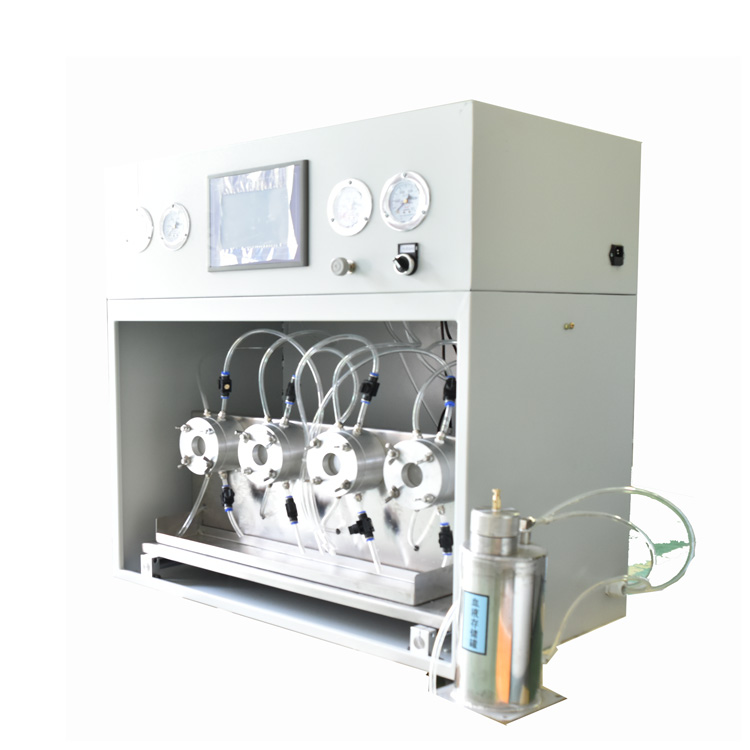


Standards:
Applications:
The tester is suitable for evaluating synthetic blood penetration resistance of the following materials and products:
Medical surgical masks and medical protective masks (including N95 / FFP types)
Medical protective clothing, isolation gowns, and surgical gowns
Nonwoven materials (SMS, SMMS, spunbond, meltblown fabrics)
Laminated and coated medical protective materials
Materials used for medical gloves, shoe covers, caps, and sleeves
Protective materials for laboratories, biosafety, and public health applications
Testing laboratories, certification bodies, research institutes, and quality inspection agencies
It is applicable for product development, routine quality control, type testing, and conformity assessment.
Product Information:
The Qinsun Synthetic Blood Penetration Resistance Tester (Model: BPT-01) is designed to evaluate the resistance of medical protective materials to penetration by synthetic blood under high-velocity impact conditions. The test simulates real-world exposure scenarios such as blood splashes generated during surgical procedures or puncture injuries, enabling objective assessment of liquid barrier performance.The instrument provides reliable and repeatable results for product classification, quality control, research, and regulatory compliance of medical protective products.
Standards
The instrument complies with and can be applied to the following international and domestic standards (including but not limited to):
(1) ASTM F1670 – Standard Test Method for Resistance of Materials Used in Protective Clothing to Penetration by Synthetic Blood
(2) ASTM F1671 – Resistance of Materials Used in Protective Clothing to Penetration by Blood-Borne Pathogens Using Phi-X174 Bacteriophage
(3) ASTM F903 – Standard Test Method for Resistance of Materials Used in Protective Clothing to Penetration by Liquids
(4) ISO 16603 – Clothing for protection against contact with blood and body fluids – Test method using synthetic blood
(5) ISO 16604 – Resistance to penetration by blood-borne pathogens
(6) GB 19082 – Technical Requirements for Disposable Medical Protective Clothing
(7) YY/T 0689 – Test Method for Resistance of Medical Protective Clothing to Synthetic Blood Penetration
(8) YY/T 0700 – Test Method for Liquid Barrier Performance of Medical Protective Materials
(9) EN 14126 – Protective clothing against infective agents
(10) AAMI PB70 – Liquid barrier performance and classification of protective apparel
Features
(1) Independent air source system providing continuous and stable pressurization from 0.5 to 30 kPa, not limited by laboratory space
(2) Freely adjustable pressure range with high control accuracy and excellent repeatability
(3) Color touch-screen display with bilingual operation interface (Chinese / English)
(4) Sample contact surface made of imported special aluminum profiles, lightweight, smooth, and corrosion-resistant
(5) Imported brushed aluminum control panel with durable metal keys for industrial-grade reliability
(6) Automatic specimen clamping device ensuring consistent test conditions without manual intervention
(7) Test chamber equipped with a dedicated fixing structure for easy operation and maintenance
(8) Multiple selectable spray velocities to meet different standard requirements
Technical Parameters
| Item | Specification |
|---|---|
| Instrument Model | BPT-01 |
| Pressure Range | 0 – 0.04 MPa |
| Pressure Setting Range | 0.5 – 30 kPa |
| Measurement Accuracy | ±1 kPa |
| Spray Distance | Adjustable from 300 mm to 305 mm |
| Spray Nozzle Diameter | 0.84 mm |
| Spray Speed | 450 cm/s, 550 cm/s, 635 cm/s |
| Specimen Size | 75 mm × 75 mm |
| Pressurized Area | 28.26 cm² |
| Display | Color Touch Screen |
| Power Supply | AC 220 V, 50 Hz |
| Net Weight | 30 kg |
Accessories
Synthetic blood liquid container
Standard spray nozzle assembly
Automatic specimen clamping device
Calibrated pressure gauge
Drainage and cleaning components
Power cable
Operation manual
Factory inspection and calibration documents
Test Procedures
(1) Prepare and condition the specimens according to the applicable standard
(2) Place the specimen into the test fixture and activate the automatic clamping system
(3) Fill the reservoir with the specified amount of synthetic blood
(4) Set the required test pressure, spray velocity, and test parameters
(5) Start the test; synthetic blood is sprayed onto the specimen surface at the specified velocity
(6) Observe and record any penetration on the opposite side of the specimen
(7) After completion, clean the test chamber and spray components
Maintenance Information
(1) Clean the spray nozzle, tubing, and test chamber after each test to prevent blockage or residue buildup
(2) Regularly inspect the air pressure system to ensure stable and accurate pressure output
(3) Periodic pressure calibration is recommended to maintain measurement accuracy
(4) Drain all liquid systems and keep the instrument dry during long-term shutdown
(5) Store and operate the instrument in a clean, dry laboratory environment free from corrosive gases
FAQ
1.What is a Nonwovens Synthetic Blood Penetration Tester?
A Nonwovens Synthetic Blood Penetration Tester is a specialized device used to evaluate the resistance of nonwoven fabrics to synthetic blood penetration. This testing is crucial for materials used in medical and protective apparel, ensuring they provide adequate barrier protection against fluids that may carry pathogens.
2.Why is testing for synthetic blood penetration important?
Testing for synthetic blood penetration is vital to ensure safety and effectiveness in healthcare settings. Materials that fail this test may not offer adequate protection for medical staff and patients, risking exposure to harmful contaminants and liquids during procedures. This ensures compliance with safety standards and regulations.
3.How does the Nonwovens Synthetic Blood Penetration Tester work?
The tester typically uses a defined amount of synthetic blood, which is applied to the fabric under controlled pressure. The material is then assessed for any penetration, measuring the time taken and the volume of fluid that passes through. This process helps manufacturers determine the quality and suitability of their nonwoven materials.
4.What standards are associated with synthetic blood penetration testing?
Various standards, such as ASTM F1670 and ASTM F1671. provide guidelines for the testing of materials against synthetic blood penetration. These standards ensure a consistent approach in testing and help manufacturers comply with safety requirements for medical fabrics.
5.Who should use a Nonwovens Synthetic Blood Penetration Tester?
Manufacturers of nonwoven fabrics, particularly those used for personal protective equipment (PPE), medical garments, and surgical drapes should utilize this tester. Research institutions and quality control laboratories also employ this tool to ensure that materials meet necessary industry standards for safety.
