




Search keywords:
product name, product type, model number,
test method, manufacturer, technique, application
-
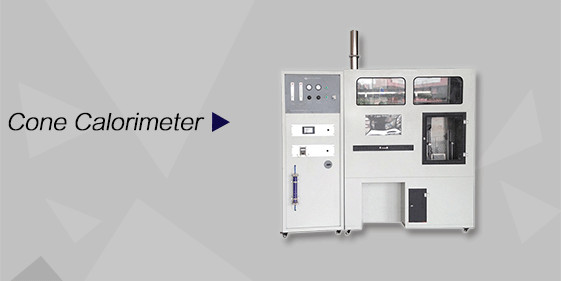
Cone Calorimeter
The import of American VTEC, cone calorimeter ultra high cost performance
more
-
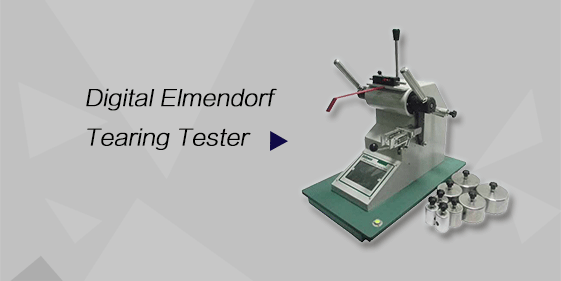
Digital Elmendorf Tearing Tester
Pendulum method test material tear strength, operating more simple, more accurate data
more
-

ZwickiLine Materials testing machines
Top of the world's leading universal material testing machine
more
Electrostatic Decay Tester
BACK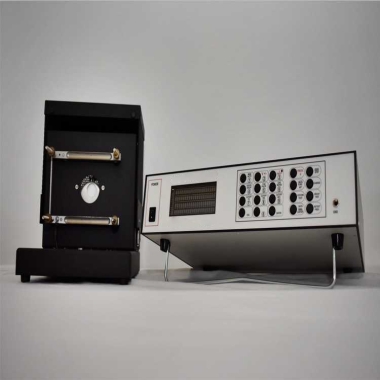


Standards:
Applications:
The Electrostatic Decay Tester is applicable to electrostatic performance evaluation across the following industries and products:
(1) Textile Industry: fibers, filaments, yarns, woven fabrics, knitted fabrics, nonwoven fabrics, functional textiles
(2) Apparel and Garment Industry: anti-static workwear, protective clothing, cleanroom garments, sportswear
(3) Medical and Healthcare Industry: surgical gowns, medical protective clothing, medical nonwoven materials
(4) Industrial and Technical Textiles: filter media, conveyor belts, reinforcement fabrics, industrial fabrics
(5) Electronics and Semiconductor Industry: ESD fabrics, anti-static curtains, packaging materials, cleanroom textiles
(6) Polymer and Plastic Industry: plastic films, sheets, plates, composite materials
(7) Automotive and Aerospace Industry: interior fabrics, seat materials, insulation materials, composite panels
(8) Research and Quality Inspection: laboratory test specimens, standard verification materials, R&D samples
Product Information:
The Electrostatic Decay Tester is professionally designed to evaluate the static electricity attenuation characteristics of textile and non-textile materials. It is used to measure corona discharge time, static voltage attenuation half-life, static decay curves, and other electrostatic properties.The instrument provides quantitative analysis of electrostatic diffusibility, enabling accurate assessment of anti-static performance for research, quality control, and compliance testing.
Standards
The instrument complies with and can be applied to the following standards (including but not limited to):
(1) JIS L 1094 – Testing Methods for Electrostatic Properties of Textiles
(2) GB/T 12703 – Textiles — Evaluation of Electrostatic Properties
(3) ISO 18080 – Textiles — Test method for electrostatic properties
(4) AATCC 76 – Electrical Resistivity of Fabrics
(5) AATCC 84 – Electrical Resistance of Conductive Yarns
Features
(1) Integrated analysis and calculation unit capable of automatically computing voltage decay half-life from the static decay curve
(2) One-touch automatic measurement by connecting the analyzer and host meter
(3) Separation design of tester and controller for safe and convenient operation
(4) Digital voltmeter for direct display of test results
(5) Automatic shutdown function for high voltage and motor protection
(6) Optional data analysis software for detailed curve analysis and result reporting
(7) Stable and repeatable testing performance suitable for laboratory and industrial use
Technical Parameters
| Item | Specification |
|---|---|
| Electrostatic Voltage Measuring Range | 0 – 10 kV |
| Half-life Time Range | 0 – 99.99 h |
| Rotation Speed | 1500 RPM |
| Discharge Time | 0 – 99.99 s (standard test time: 30 ± 0.1 s) |
| Discharge Distance (Needle Electrode to Specimen) | 20 mm |
| Measurement Distance (Probe to Specimen) | 15 mm |
| Sample Size | 60 mm × 80 mm |
| Power Supply | AC 220 V, 50 Hz |
| Power Consumption | 1.5 kW |
Accessories
Main testing unit
Analyzer and controller module
Needle electrode assembly
Digital voltmeter
Sample holder
Power cable
Operation manual
Calibration certificate
Test Procedures
(1) Prepare the specimen according to the applicable standard
(2) Ensure the oil cylinder is filled with transformer oil before testing
(3) Power on the instrument and perform voltage calibration if required
(4) Place the specimen on the sample holder
(5) Set the test parameters and discharge time
(6) Start the test using one-touch operation
(7) Record voltage decay curve, half-life time, and related parameters
Maintenance Information
(1) Verify electrostatic voltage calibration before routine use
(2) Ensure the oil cylinder remains properly filled with transformer oil
(3) Clean electrodes and sample holder regularly to maintain accuracy
(4) Inspect electrical connections and safety protections periodically
(5) Store the instrument in a dry, dust-free laboratory environment
FAQ
1.What is an Electrostatic Decay Tester?
An Electrostatic Decay Tester is a specialized device used to measure the electrostatic discharge (ESD) properties of materials. It quantitatively assesses how quickly a static charge dissipates from a surface when exposed to specific conditions. Such testing is crucial in environments where ESD could pose a threat to sensitive electronic components or circuits.
2.How does an Electrostatic Decay Tester work?
The Electrostatic Decay Tester operates by charging a surface with a known high voltage and then measuring the time it takes for the charge to decrease to a predetermined level. This is typically done through probes or sensors that detect voltage changes. The results help determine the effectiveness of materials in handling and dissipating electrostatic charges.
3.Why is electrostatic decay testing important?
Electrostatic decay testing is essential in various industries, especially electronics manufacturing, where static charges can damage sensitive components. By understanding how materials behave under electrostatic conditions, manufacturers can select appropriate materials and implement protective measures to minimize the risk of ESD-related failures.
4.What materials can be tested with an Electrostatic Decay Tester?
An Electrostatic Decay Tester can be used on a wide range of materials, including plastics, coatings, textiles, and even various types of packaging. It is particularly useful for assessing materials that come into contact with electronic devices, ensuring they possess adequate ESD protective characteristics.
5.How can I choose the right Electrostatic Decay Tester?
When selecting an Electrostatic Decay Tester, consider factors such as the range of materials you will be testing, the necessary measurement accuracy, and specific industry requirements. Additionally, look for features like user-friendly interfaces, data logging capabilities, and compliance with relevant standards to ensure you choose a suitable device.
6.What standards govern Electrostatic Decay Testing?
Electrostatic Decay Testing is guided by various industry standards, such as ANSI/ESD S20.20. IEC 61340-5-1. and others that outline best practices and testing protocols. These standards help ensure that ESD control measures are implemented effectively to protect sensitive electronic equipment from electrostatic discharge.
