




Search keywords:
product name, product type, model number,
test method, manufacturer, technique, application
-
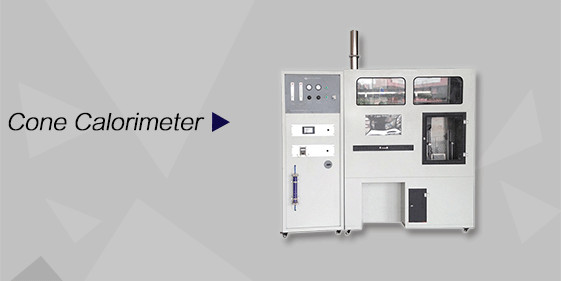
Cone Calorimeter
The import of American VTEC, cone calorimeter ultra high cost performance
more
-
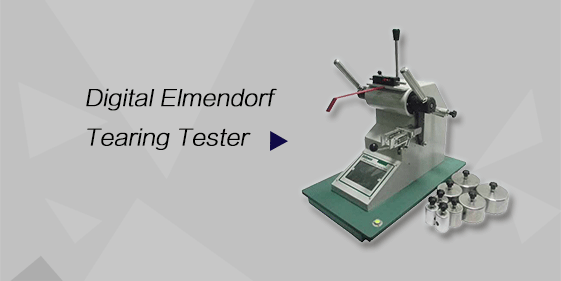
Digital Elmendorf Tearing Tester
Pendulum method test material tear strength, operating more simple, more accurate data
more
-
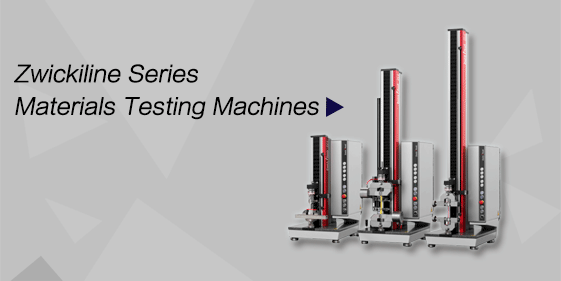
ZwickiLine Materials testing machines
Top of the world's leading universal material testing machine
more
Goggles Puncture Resistance Testing Machine
BACK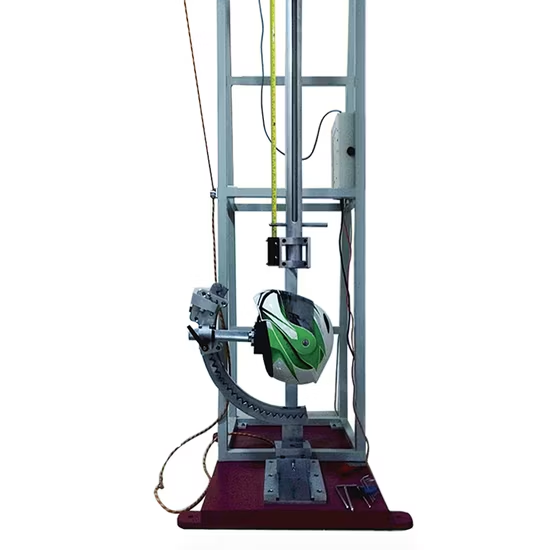


Standards:
Applications:
It is to make a certain weight of sharp objects fall from the height specified in the standard and act on the surface of helmet or goggles, so as to determine the ability of helmet or goggles to resist penetration by sharp objects.
Product Information:
The safety goggle puncture resistance testing machine is a device used to test the puncture resistance of safety goggles against impact from sharp objects.
Standards
(1)GB 811-2010: Helmets for motorcyclists
(2)ECE R22.05: Uniform Provisions Concerning the Approval of Protective Helmets and Their Visors for Drivers and Passengers of Motor Cycles and Mopeds
(3)EN1077: Helmets for alpine skiing and snowboarding
Accessoriess
(1)Perforator (puncture cone)
(2)Drop hammer (impact hammer)
(3)Head fixation device (head mold support)
(4)Guide tube
(5)Electromagnetic release device, etc.
Parameters
| Item | Detail |
|---|---|
| Impact height | 1000mm ~ 3000mm |
| Impact hammer | 3kg, with a cone tip angle of 60 degrees |
| Head fixed frame | Has an adjustable device for rapid and convenient helmet installation |
| Conduit | Adopts high-strength aluminum tube anodic treatment, with a beautiful appearance |
| Hammer lifting method | Manual lifting |
| Impact hammer release device | Electromagnet release device |
| Total height of the instrument | About 5m |
| Voltage | 220V |
Test Procedures
Sample and Equipment Inspection: Confirm that the goggles to be tested are free of manufacturing defects and are properly installed on the corresponding size safety helmet/headgear according to the standard.
Parameter Setting: Select a matching head form, fix the helmet onto the head form, ensuring the goggles are at a natural wearing angle without extra stretching or compression.
Positioning the Punch: Manually adjust the punch position so that it is vertically aligned with the center area of the goggles, and the bottom of the punch is in contact with the surface of the goggles, leaving a space of at least 5mm above the head form.
Performing the Impact Test: Using a manual pull-type or automatic release device, allow the falling weight to drop freely from a set height, impacting the top of the punch, and transferring the impact force to the goggles through the punch.
Data Recording: Record data at the moment of impact using a high-speed camera or pressure sensor, such as the peak impact force and the deformation of the goggles, for subsequent analysis.
FAQ
1. What is a Goggles Puncture Resistance Testing Machine?
This machine evaluates the ability of safety goggles to resist penetration from sharp objects, ensuring eye protection under hazardous conditions.
2. How does the puncture resistance test work?
A standardized probe or sharp object is pressed or dropped onto the goggle lens under controlled force. The machine measures whether the lens is punctured or deformed, and records the maximum force endured.
3. What types of goggles can be tested?
It can test safety goggles used in laboratories, industrial work, construction, sports, or military applications, including polycarbonate, acetate, or laminated lenses.
4. What parameters are measured during testing?
The tester measures puncture force, penetration depth, lens deformation, and sometimes energy absorption. Some models provide automated data recording for compliance verification.
5. Why is puncture resistance testing important?
Testing ensures goggles provide reliable protection against flying debris, sharp fragments, or projectiles, preventing eye injuries and ensuring compliance with standards such as ANSI Z87.1. EN 166. or ISO.
