




Search keywords:
product name, product type, model number,
test method, manufacturer, technique, application
-
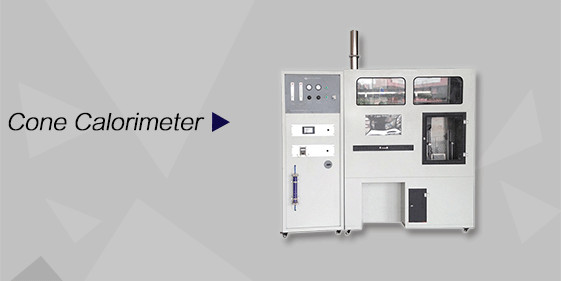
Cone Calorimeter
The import of American VTEC, cone calorimeter ultra high cost performance
more
-
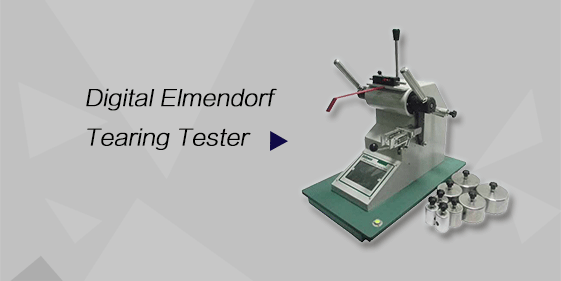
Digital Elmendorf Tearing Tester
Pendulum method test material tear strength, operating more simple, more accurate data
more
-
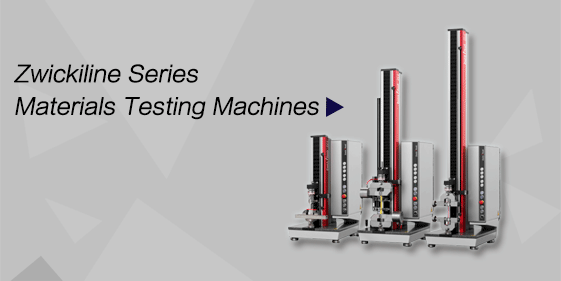
ZwickiLine Materials testing machines
Top of the world's leading universal material testing machine
more
Helmet Webbing Micro - displacement Abrasion Tester
BACK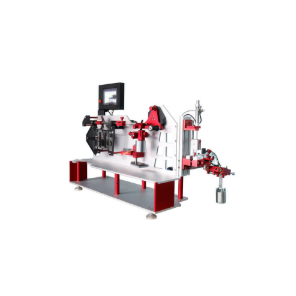


Standards:
ECE R22.05: Uniform Provisions Concerning the Approval of Protective Helmets and Their Visors for Drivers and Passengers of Motor Cycles and Mopeds
Applications:
The helmet webbing micro-displacement wear testing machine is used to detect the abrasion condition of the webbing, the micro - displacement performance of the webbing, and the fatigue life of the buckle.
Product Information:
The helmet webbing micro-displacement wear testing machine is a comprehensive testing instrument used to detect webbing wear conditions, webbing micro-displacement performance, and buckle fatigue life.
Feature
(1)Integrated testing function: Capable of simultaneously testing webbing micro-movement, friction, and buckle fatigue, providing a comprehensive assessment of wear and tear.
(2)High-precision control: Utilizes a hydraulic actuator for displacement output, ensuring high control accuracy and real-time control of the testing process.
(3)Multiple standard compliance: Complies with ECE R22.05 standard requirements, ensuring international recognition of test results.
(4)Wide range of applications: Suitable for abrasion resistance and buckle durability testing of helmet webbing, ensuring the safety and durability of helmets.
Accessoriess
(1)Mounting bracket
(2)Webbing clamp
(3)Friction rod
(4)Counterweights, etc.
Parameters
| Item | Detail |
|---|---|
| Test Type | Webbing micro shift and webbing abrasion resistance test |
| Stroke | 100mm, 50mm |
| Frequency | 2HZ/each time |
| Oscillation times | 10000 times |
| Weight | 2kg |
Test Procedures
Experimental Preparation: Develop a detailed experimental plan, prepare test samples according to experimental requirements, and familiarize yourself with the basic operation methods and procedures of the friction and wear testing machine.
Force Sensor Calibration: Before conducting the test, the force sensor should be calibrated. Select the sensor to be calibrated, perform coarse and fine zero adjustments until the friction force and normal force values are zero.
Testing Procedure: Click NEW to create a new file, set the parameters, start the test, record the data, and analyze the results.
Troubleshooting: If the instrument malfunctions, report it immediately to the instrument manager and record the incident in the instrument usage logbook.
Usage Record: Record each use in the instrument usage logbook, filling in all required information.
Site Cleanup: After each experiment, properly shut down the computer and instrument power, and clean up the experimental area.
FAQ
1. What is a Helmet Webbing Micro-Displacement Abrasion Tester?
This device evaluates the wear resistance and durability of helmet straps and webbings under micro-displacement motion, simulating repeated movement and abrasion during actual use.
2. How does the micro-displacement abrasion test work?
Helmet straps are mounted on the tester, which applies controlled micro-movements or oscillations while a contact surface or abrasive element rubs against the webbing. Wear, elongation, and degradation are measured.
3. What types of helmet webbing can be tested?
It can test chin-straps, head straps, and other webbing materials used in industrial, construction, bicycle, or motorcycle helmets. Materials include nylon, polyester, polypropylene, and composites.
4. What parameters are measured during testing?
The tester measures micro-displacement cycles, wear rate, elongation, surface abrasion, and strength degradation. Some models provide automated data logging and visual inspection options.
5. Why is helmet webbing abrasion testing important?
Testing ensures helmet straps remain durable, safe, and functional under repeated use, preventing failures that could reduce helmet stability and wearer protection. Compliance with safety standards like EN 397. ANSI Z89.1. or ISO is verified.
